Japan, however, has shaped Christmas into something uniquely its own.Although only a small percentage of people in Japan are Christian, Christmas has grown into a beloved winter celebration — not for religion, but for romance, illuminations, and delicious food.
A Celebration Without Religion

Unlike Western countries, Christmas in Japan is largely secular:
- No traditional church visits for most families
- No nativity scenes at home
- No strong religious meaning
Instead, it feels like a mix of a romantic holiday (similar to Valentine’s Day), a fun event for children, and a winter festival filled with lights and sweets.
Christmas Eve: A Romantic Night

One of the biggest differences is the focus on Christmas Eve rather than Christmas Day.
In many Western countries: December 25 is for family gatherings.
In Japan: December 24 is for couples — gift exchanges, special dinners, and strolling through city illuminations. Restaurants offer exclusive dinner courses, and reservations fill quickly.
Why Japan Eats Fried Chicken Instead of Turkey
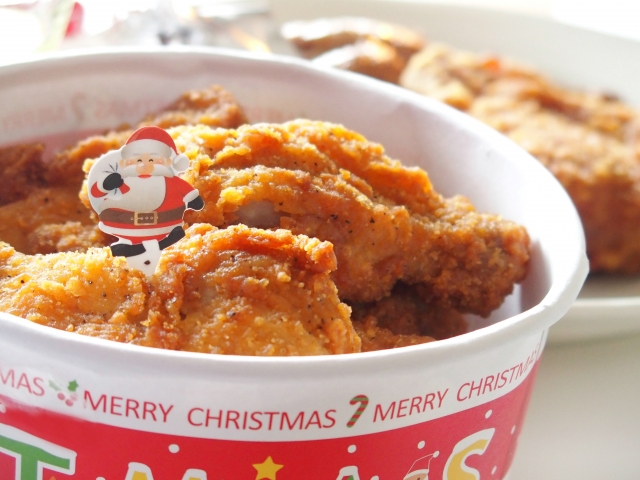
Whole turkeys are rare in Japan, and most homes don’t have ovens large enough to roast one.
In the 1970s, KFC launched a now-legendary campaign — “Kentucky for Christmas!” — and fried chicken became the national standby.
- KFC Christmas buckets often require reservations
- Supermarkets sell roast chicken
- Convenience stores offer seasonal fried chicken boxes
So while many Western families enjoy turkey or ham, Japan celebrates with crispy chicken — a charming, uniquely Japanese tradition.
The Beloved Strawberry Christmas Cake
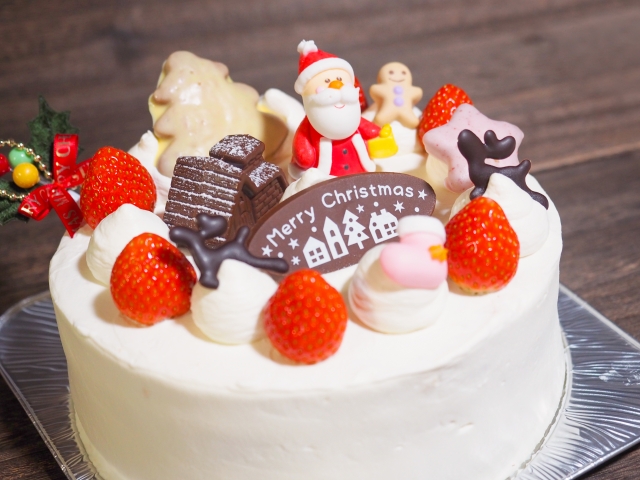
Another distinct custom is the strawberry Christmas cake — soft sponge, whipped cream, and fresh berries. Unlike Western fruitcakes or gingerbread, Japan’s cake is light, airy, and visually festive.
Bakeries, department stores, and convenience stores compete with elaborate designs, many of them pre-ordered weeks in advance.
Santa Visits Japan Too
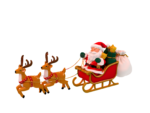
Children look forward to Santa Claus, who quietly leaves presents while they sleep. Common features include:
- Usually one present per child
- Parents casually ask, “What do you want from Santa?”
- Gifts appear near the child’s pillow on Christmas morning
For adults, gift-giving is typically modest and romantic, rather than the large family exchanges seen in many Western homes.
Winter Illuminations & Festive Atmosphere
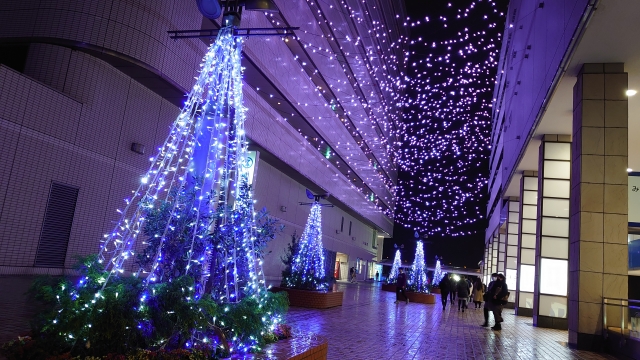
Cities across Japan shine brilliantly with winter illumination displays in parks, shopping districts, and around stations.
People enjoy evening walks under the lights, Christmas music in department stores, and a cozy, romantic winter mood. For many, these lights are the true heart of the season.
December 26: Straight Into New Year Mode
Perhaps the biggest surprise for visitors: Christmas disappears overnight.
On December 26, Christmas music stops, decorations vanish, and stores switch to New Year themes.
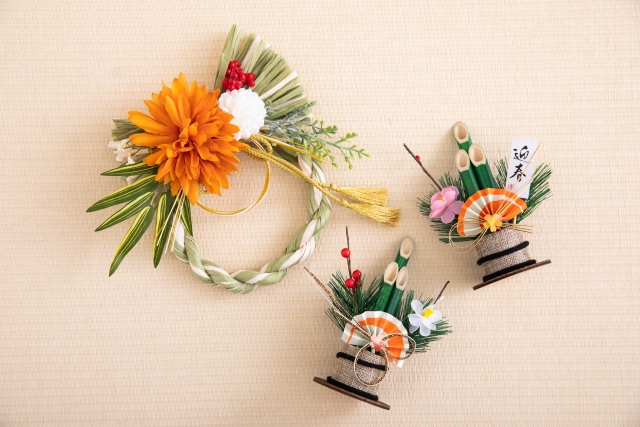
Japan’s main winter holiday is New Year’s (Oshōgatsu) — a deeply traditional family celebration with shrine visits, mochi, and lucky decorations.
Tips for Enjoying Christmas in Japan

- Book restaurants early for Christmas Eve
- Try convenience-store Christmas chicken — surprisingly good
- Don’t miss strawberry Christmas cake
- Visit winter illumination spots
- Expect December 25 to be a normal workday
How It Differs: Japan vs. the West
| Western Christmas | Japanese Christmas |
|---|---|
| Religious meaning | Secular celebration |
| Family gathering on Dec 25 | Romantic date night on Dec 24 |
| Turkey / ham | Fried or roast chicken |
| Fruitcake, gingerbread | Strawberry shortcake |
| Holiday continues after Dec 25 | Shifts to New Year from Dec 26 |
A Winter Tradition Made Japanese
Christmas in Japan is a beautiful example of cultural transformation: romance over religion, fried chicken over turkey, strawberry cake over fruitcake, and city-wide illuminations that turn winter nights into something magical.
It may be different from Western traditions, but it is filled with warmth, lights, and joy — a celebration in Japan’s own style.

