Japan loves compact and foldable things because daily life is designed around flexible space, easy storage, and smooth routines.
What looks like “clever mini design” to visitors is often a practical answer to small homes, multi-purpose rooms, strong seasons, and a culture of moving through cities on foot and by train.
This article explains the real logic behind Japan’s compact design—and why it feels natural in Japan but not always necessary elsewhere.
- Key idea: compact design in Japan is a lifestyle system, not just a design trend.
- Why it exists: small spaces + multi-purpose rooms + seasonal storage + public transit.
- What it creates: rooms that reset easily, less daily friction, and a calm feeling of order.
- What you’ll notice: foldable bedding, stackable seating, flexible wrapping, and storage-first thinking.
Compact & Foldable in Japan: A Lifestyle System
Many people assume Japan’s compact products are simply a matter of taste.
But the deeper reason is daily life design.
In Japan, a “good object” is often judged not by how impressive it looks, but by how smoothly it fits into everyday routines—especially in limited space.
That is why compact design appears everywhere: at home, on the street, at stations, in packaging, and even in how rooms are used.
Not Just Small Homes: Rooms Are Designed to Change
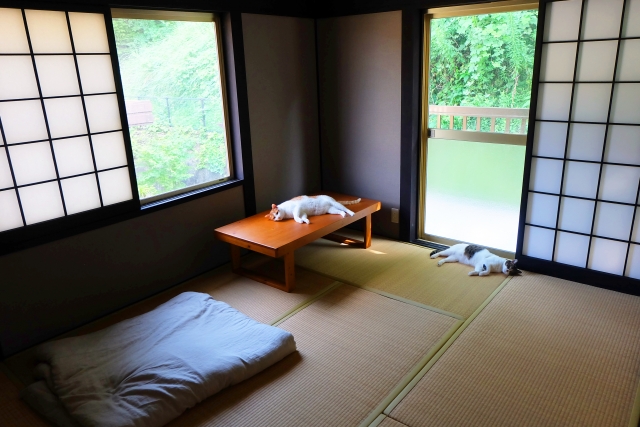
Traditional rooms are designed to reset—one space can become living room, dining room, and bedroom.
Yes, Japanese homes are often smaller than those in many countries.
But “small” alone does not explain the obsession with foldable and storable items.
Traditional home life also assumes that rooms can change purpose across the day.
- Daytime: open living space with a low table
- Mealtime: the same space becomes a dining area
- Night: futon comes out and the room becomes a bedroom
This kind of living requires a crucial habit: resetting the room.
Compact objects make that reset fast and stress-free.
Why Folding Matters: Storage Is Part of the Design
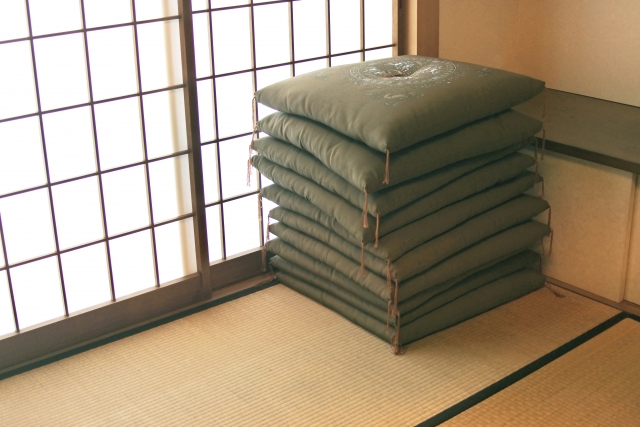
Foldable or stackable items make it easy to clear the room and change its function.
In Japan, an item is often designed with two “forms” in mind:
- the use form (when it is being used)
- the storage form (how it looks when put away)
This is why so many everyday tools are foldable, stackable, or flat.
- Futon: sleep at night, store by day
- Zabuton: cushions that stack away in seconds
- Sensu (folding fan): portable comfort that disappears into a bag
- Furoshiki: a cloth that folds, wraps, and transforms
- Byōbu (folding screen): movable dividers that reshape space
To many visitors, this looks like minimalism.
But in daily life, it is often closer to a storage strategy: keep the space usable, not just pretty.
Seasons Make Storage a Year-Round Problem
Japan’s seasons are strong and sharply defined.
That means homes regularly rotate items: heaters, fans, humidifiers, dehumidifiers, thick bedding, summer mats, and seasonal clothing.
When storage space is limited, seasonal living rewards objects that can be packed away neatly.
This is another reason compact design feels “normal” in Japan—because the home is constantly adapting to the calendar.
Why Travelers Notice Compact Design Everywhere
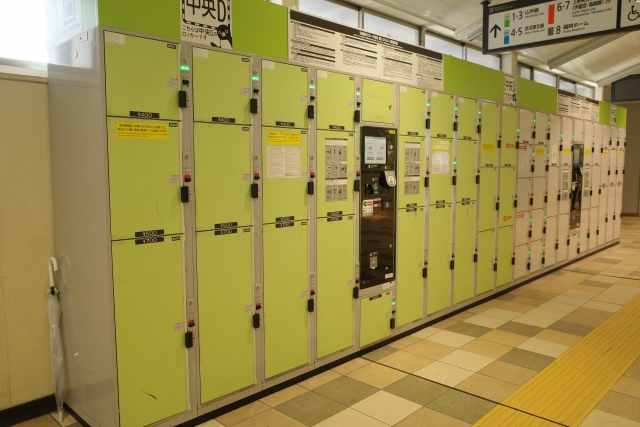
Compact systems also appear in public infrastructure—designed to keep movement smooth in busy stations.
Even outside the home, Japanese life often happens in motion.
Many people commute by train, walk more, and carry daily essentials in a small bag.
That lifestyle naturally favors items that are light, foldable, and easy to stow—especially in crowded places.
It also shapes infrastructure that travelers notice immediately, such as coin lockers in multiple sizes or stations designed to keep foot traffic flowing smoothly.
Why It Feels Different Overseas
People often ask: “Why doesn’t every country end up with the same compact culture?”
The answer is not that Japan is uniquely clever.
It is that daily life is structured differently.
- In many places, homes are larger and storage is less constrained.
- Car-based life reduces the need to carry compact items through public transit.
- Rooms often have fixed purposes (bedroom stays a bedroom).
When space is not constantly being reset, foldable systems matter less.
Japan’s compact design is a response to an everyday environment where space and movement are always being negotiated.
Why Small Can Feel Beautiful
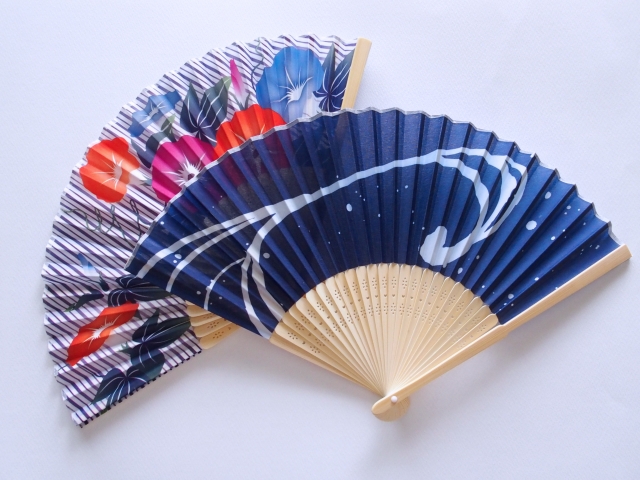
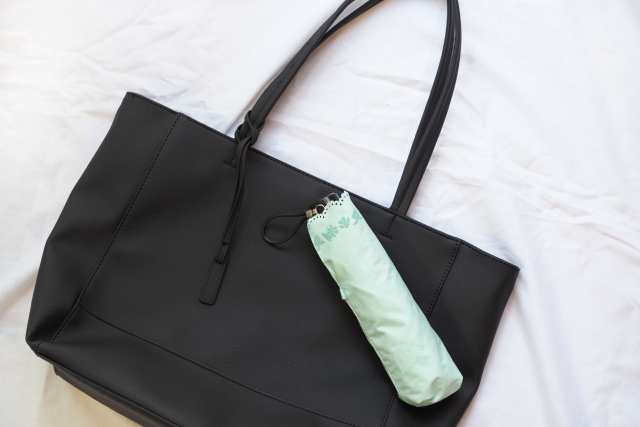
Portable comfort is often designed to disappear into a bag when not in use.
Japanese compact design is not simply “tiny.”
It is human-centered: it reduces friction in daily routines and makes small spaces feel calmer.
In Japan, quality is often judged by how little stress a tool causes in everyday use.
Compact design supports that goal by making life easier to organize, easier to reset, and easier to move through.
A small space can hold a big life—when it is designed to change with you.
Q&A: Compact and Foldable Things in Japan

Q: Is Japan’s compact design just a modern trend?
No. Modern products reflect it, but the mindset is older: daily life has long been built around flexible rooms, limited storage, and easy resets.
Q: Is the main reason simply that Japanese homes are small?
Small homes matter, but the bigger point is multi-purpose living. When one room changes function, objects must store quickly and return the space to “neutral.”
Q: Is this Japanese “minimalism” as an aesthetic?
Sometimes, but often it is practical. The goal is not empty space for its own sake, but a space that stays usable and calm with minimal daily friction.
Q: Why do travelers notice compact design so strongly?
Because it appears in everyday infrastructure and routines—small carry items, efficient packaging, coin lockers, and spaces designed for smooth movement in dense cities.
Q: Why doesn’t the same culture develop everywhere?
Daily life is structured differently. Larger homes, car-based routines, and fixed-purpose rooms reduce the need for foldable systems.
Q: What is the biggest takeaway for readers outside Japan?
Japan’s compact design is best understood as a lifestyle system: space, storage, seasons, and movement all shape what “good design” means.
Author’s Note
I grew up in Japan where “putting things away” is not a special effort—it is simply part of how rooms stay usable and calm.
At YUNOMI, I try to translate the everyday logic behind these design choices, so readers can see them as a living system rather than a stereotype.

