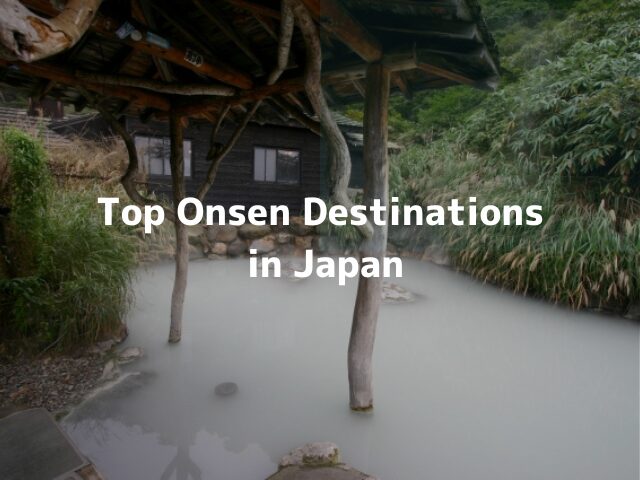
Japan’s best onsen destinations combine volcanic mineral waters, regional bathing traditions, and seasonal scenery that changes dramatically throughout the year.
In this guide, you’ll discover some of the most iconic hot spring towns in Japan, what makes each region special, how onsen water types differ, and practical tips for choosing the right onsen experience for your trip.
From sulfur-rich baths in Gunma to gold-colored springs in Hyogo, these destinations represent the heart of Japan’s bathing culture and its deep connection to nature.
Kusatsu Onsen (Gunma) – Japan’s Most Famous Sulfur Springs
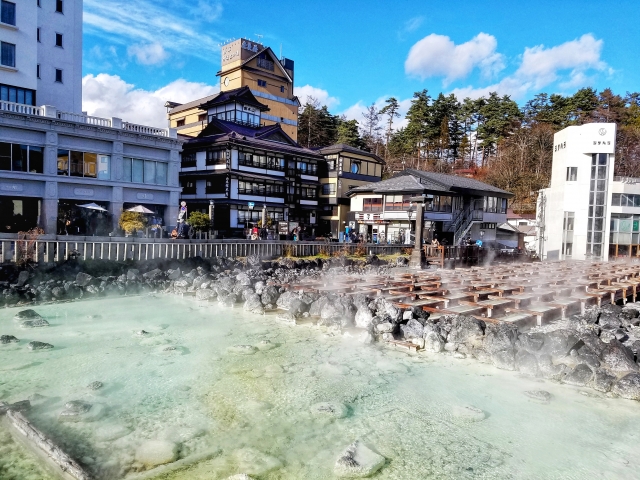
Kusatsu Onsen is consistently ranked among Japan’s top hot springs. Its water is naturally acidic and rich in sulfur, giving it a strong, distinctive onsen character that many visitors remember long after their trip.
Because the mineral content is so noticeable, Kusatsu is often described as a “powerful” soak—especially compared with gentler spring types found elsewhere. It’s a great choice if you want an onsen town that feels classic, iconic, and unmistakably volcanic.
Why It’s Special
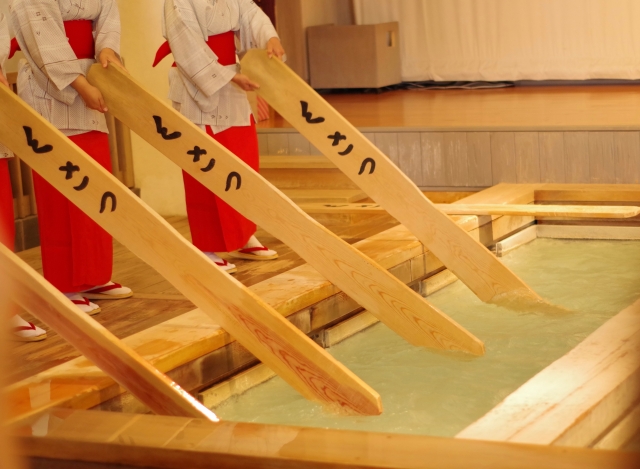
Yumomi in Kusatsu: a traditional performance used to cool hot spring water without adding cold water.
- Yubatake (hot water field) in the center of town
- Strong sulfur aroma and milky-white water
- Traditional yumomi cooling performance by local attendants
Hakone Onsen (Kanagawa) – Easy Access From Tokyo
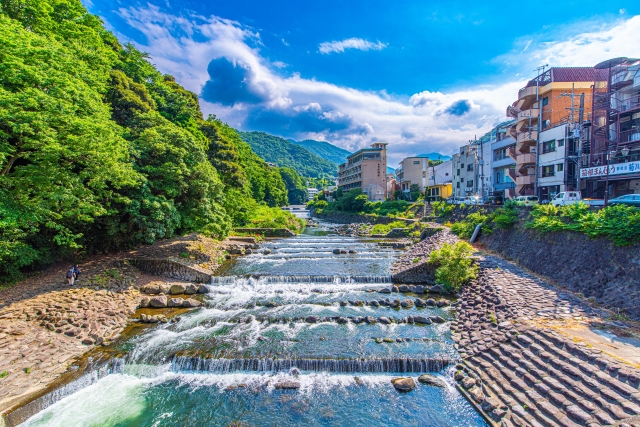
One of the most convenient destinations for travelers, Hakone offers multiple onsen areas with a wide range of water types.
Hotels and ryokan in this region often feature outdoor baths with views of forests, valleys, or Mount Fuji, making Hakone a great “first onsen trip” option—especially if you’re short on time.
Why It’s Special
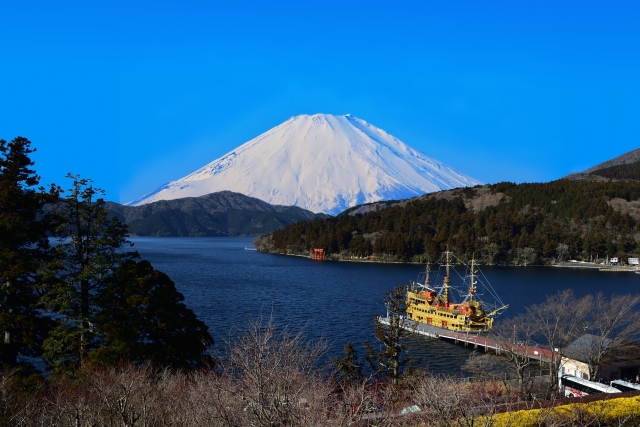
- Just 1–1.5 hours from Tokyo
- Variety of water types: simple springs, sulfate springs, chloride springs
- Beautiful rotenburo (outdoor baths) with seasonal scenery
Beppu Onsen (Oita, Kyushu) – Japan’s Largest Hot Spring Output
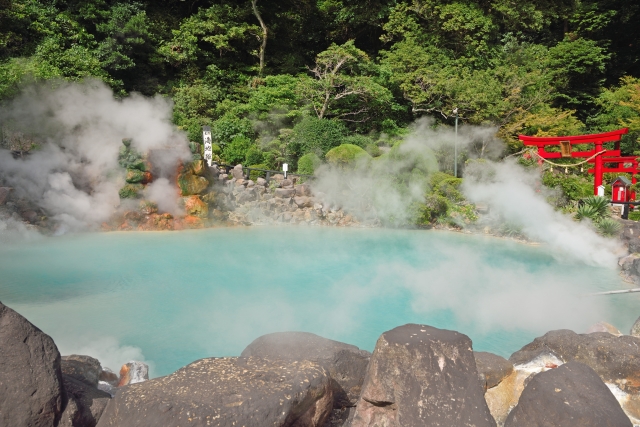
Beppu’s “Jigoku” (Hells) are volcanic hot springs mainly for viewing—not for bathing.
Beppu is famous for its powerful volcanic activity, producing vast amounts of hot water across eight different onsen areas known as the Beppu Hells (Jigoku).
While some springs are for viewing rather than bathing, the town offers an incredible variety of bath styles and experiences—ideal for travelers who want something beyond the standard hot spring soak.
Why It’s Special
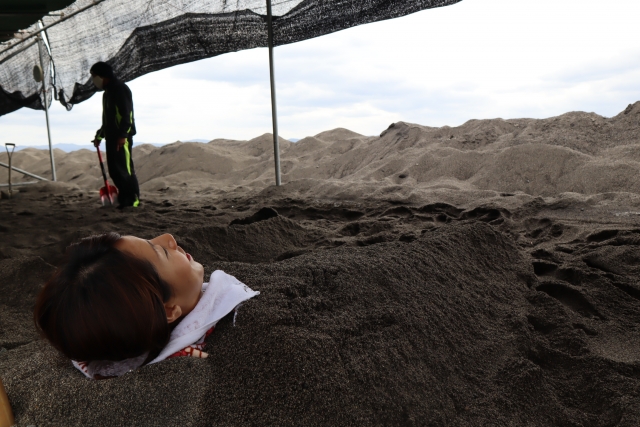
A Beppu sand bath: guests are buried in naturally heated sand for a different kind of onsen experience.
- Largest volume of hot spring water in Japan
- Unique experiences such as sand baths and steam baths
- Colorful “Hell” springs created by mineral reactions
Noboribetsu Onsen (Hokkaido) – Dramatic Volcanic Landscape
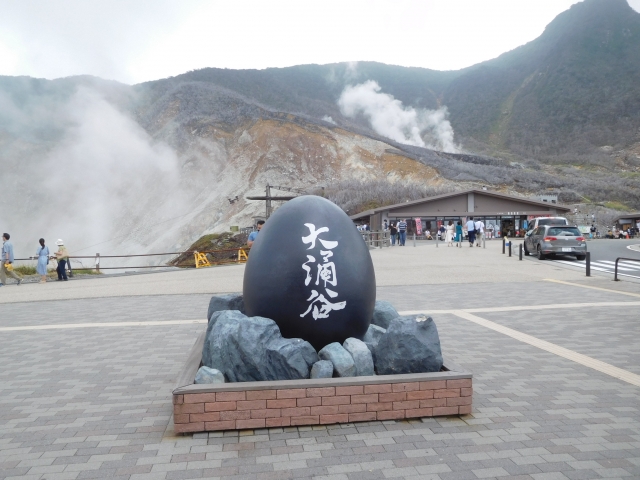
Owakudani in Hakone: a volcanic valley known for steam vents and dramatic geothermal scenery.
Noboribetsu is known for its dynamic geothermal landscape, especially the volcanic valley called Jigokudani (Hell Valley).
The area produces multiple kinds of mineral-rich water, making it one of Japan’s most diverse hot spring destinations—perfect if you want “volcanic atmosphere” as part of the onsen experience.
Why It’s Special
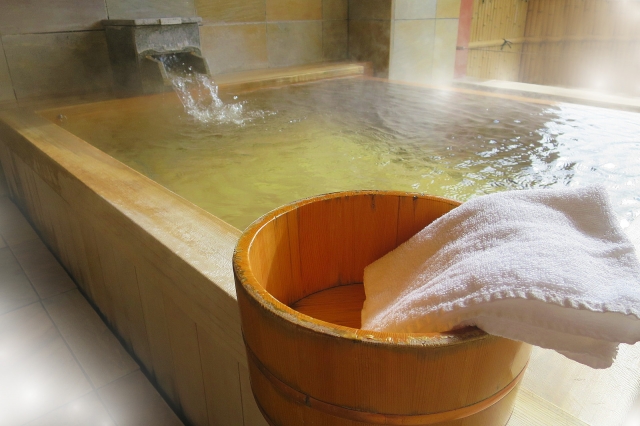
- Nine different water types, including sulfur, chloride, and iron-rich springs
- Dramatic volcanic scenery perfect for nature lovers
- High-quality ryokan with excellent outdoor baths
Arima Onsen (Hyogo) – Prestigious “Gold and Silver” Springs
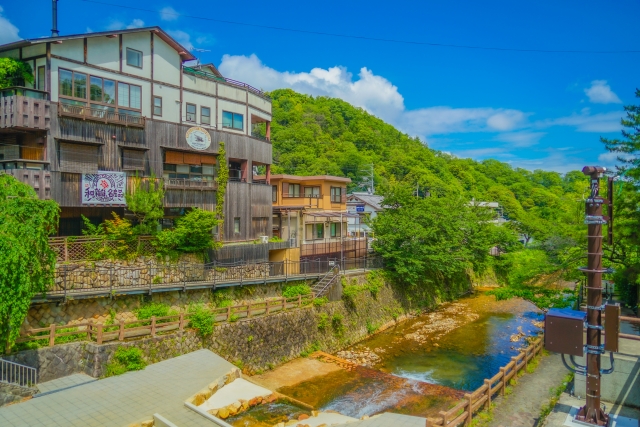
Located near Kobe, Arima is one of Japan’s oldest and most culturally important onsen towns.
It is famous for two unique waters: kin-sen (“gold water”) colored by iron and minerals, and gin-sen (“silver water”) with clear, lighter characteristics. The contrast between the two is part of what makes Arima feel special and “prestigious.”
Why It’s Special
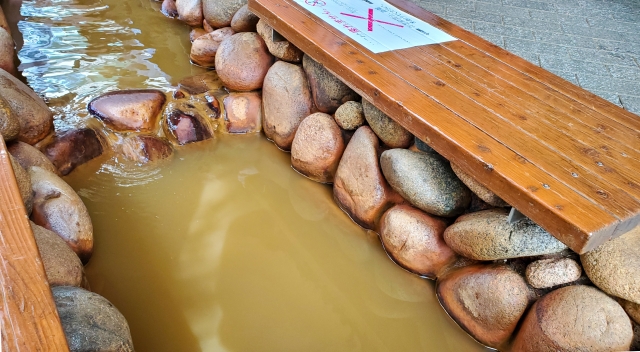
:An onsen foot bath (ashiyu) with Arima’s “gold” mineral water color.
- Historic origins dating back over 1,000 years
- Rare water types not found in most other regions
- Easy day trip from Osaka or Kyoto
Yufuin Onsen (Oita, Kyushu) – Scenic Hot Springs and a Relaxed Resort Town
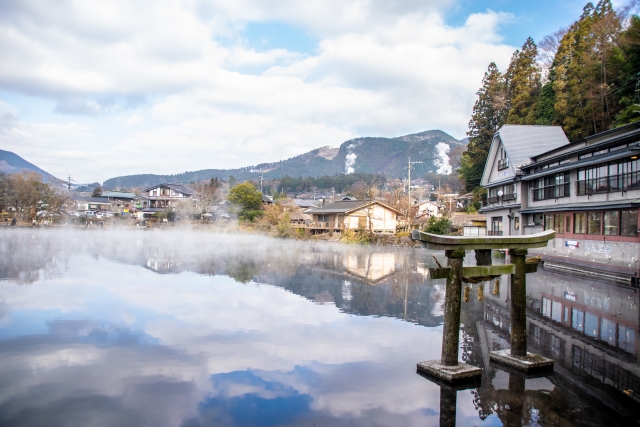
Yufuin Onsen is a peaceful hot spring town near Beppu, known for its calm atmosphere, walkable streets, and beautiful views of Mount Yufu.
Compared with larger onsen hubs, Yufuin feels slower and more “small-town,” making it a popular choice for first-time visitors who want a gentle introduction to Japan’s bathing culture.
Many ryokan here focus on quiet stays and scenic baths, and the town is enjoyable even between soaks—with cafés, local sweets, and souvenir shops along the main streets.
Why It’s Special
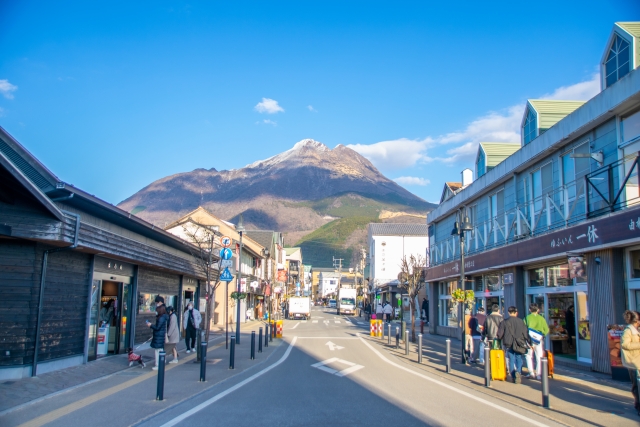
- Relaxed, walkable town atmosphere with plenty to do outside the bath
- Iconic views of Mount Yufu (especially on clear mornings)
- A great “first onsen town” balance: scenery + ryokan culture without feeling overwhelming
Nyuto Onsen (Akita) – A Rustic Hot Spring Retreat in the Mountains
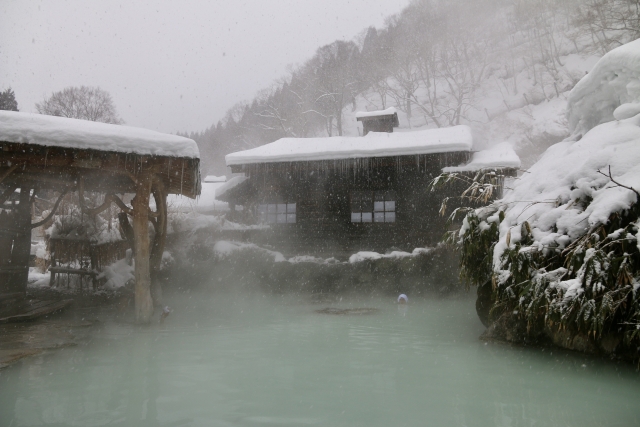
Nyuto Onsen is a small cluster of traditional ryokan hidden in the mountains of Akita, in northern Japan.
Rather than a “town” with shops and busy streets, this area is known for quiet forest scenery and a more old-fashioned ryokan experience.
What makes Nyuto memorable is the atmosphere: simple wooden buildings, steaming outdoor baths, and the feeling of bathing close to nature. If you want an onsen trip that feels remote and timeless—especially in winter—Nyuto is one of Japan’s most iconic choices.
Why It’s Special
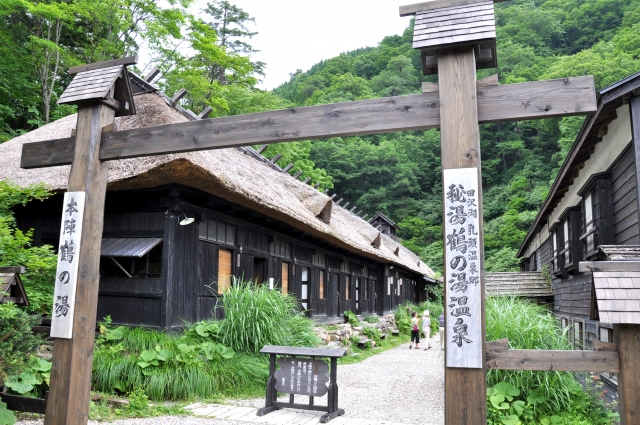
- A classic “hidden onsen” setting in the mountains of Tohoku (northern Japan)
- Famous milky-white baths created by mineral-rich spring water
- Historic ryokan architecture and a quiet, unplugged atmosphere
How to Choose the Right Onsen

The “best” onsen town depends on what you want from the experience—access, scenery, atmosphere, or how adventurous you want to be. Here’s a simple way to choose:
- For first-timers and easy access: Hakone, Yufuin
- For dramatic volcanic scenery: Noboribetsu
- For strong onsen “character” and classic hot spring culture: Kusatsu
- For history and a prestigious atmosphere: Arima
- For unusual bath experiences: Beppu
- For a quiet, rustic mountain retreat: Nyuto Onsen
FAQ: Choosing the Best Onsen Town

Are all onsen tattoo-friendly?
No. Tattoo policies vary by facility and region. If you have tattoos, look for onsen or ryokan that explicitly allow them, or choose a stay with a private bath (kashikiri-buro / rotenburo-tsuki rooms) so you can bathe comfortably.
What season is best for visiting an onsen?
Onsen are enjoyable year-round. Winter is popular for snowy scenery (especially in northern areas like Nyuto and Noboribetsu), while autumn offers vivid foliage in many regions. Summer and spring can be quieter and easier to book.
Do all onsen have outdoor baths?
No. Outdoor baths (rotenburo) depend on the facility. If rotenburo is important to you, check photos and descriptions before booking—many famous destinations such as Hakone, Nyuto, and Noboribetsu have excellent options.
Which onsen are good for beginners?
Hakone and Yufuin are great for first-timers because they’re easy to reach, have plenty of accommodations, and offer a relaxed introduction to Japan’s bathing culture.
How long should I stay—day trip or overnight?
Both work. A day trip is fine for nearby areas like Hakone (from Tokyo). If you want the full ryokan experience—dinner, quiet evenings, and a morning bath—an overnight stay is usually more memorable, especially in places like Yufuin, Nyuto, or Arima.
Can I visit an onsen without staying at a ryokan?
Yes. Many towns have public bathhouses or facilities that welcome day visitors. However, ryokan stays often provide the most “classic” experience, including meals and private or scenic baths.
Conclusion
From mountain hideaways to historic luxury hot springs, Japan’s onsen destinations each offer a unique blend of minerals, regional character, and natural beauty.
By choosing the right town for your travel style—easy access, scenic rotenburo, a quiet ryokan stay, or unusual bath experiences—you can enjoy the depth of Japan’s bathing culture in a way that feels truly unforgettable.

