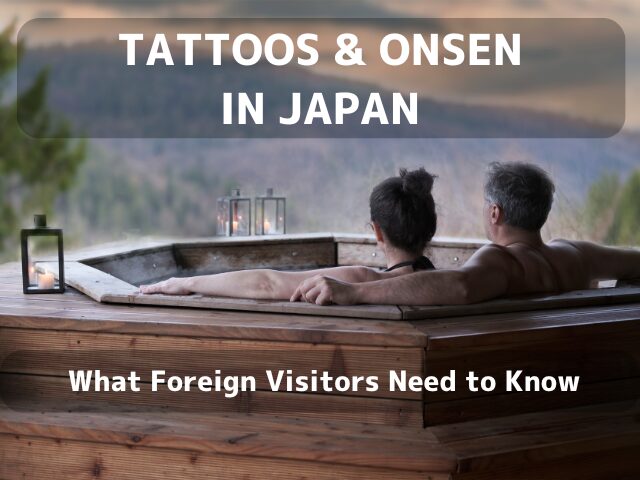
Tattoos & onsen in Japan is a topic surrounded by misunderstandings.
Some visitors fear they will be rejected, while many Japanese are unsure how tattoos are viewed today.
In reality, foreign tattoos are rarely a problem—but the historical context behind Japanese tattoos still influences onsen rules.
This guide explains everything visitors need to know: why restrictions exist, how tattoos are perceived culturally, and practical ways to enjoy a hot spring even if you have tattoos.
What This Article Covers (Quick Summary)
- Why some onsen restrict tattoos
- How Japanese people perceive tattoos today
- The difference between Japanese tattoos and foreign tattoos
- How to enter an onsen with tattoos
- Regional differences in tattoo acceptance
- How to find tattoo-friendly onsen
- FAQs answered clearly and practically
What Are Japan’s Tattoo Rules in Onsens?
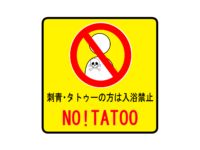
Japan’s tattoo rules in onsens are traditional guidelines that restrict visible tattoos because of their historical association with crime—not because of foreigners.
Most facilities use a simple “no tattoos” sign because they cannot judge each guest individually.
However, this rule was never aimed at tourists, and attitudes continue to change.
Why Tattoos Are Restricted in Some Onsen
Historical Roots: Tattoos as Criminal Marks
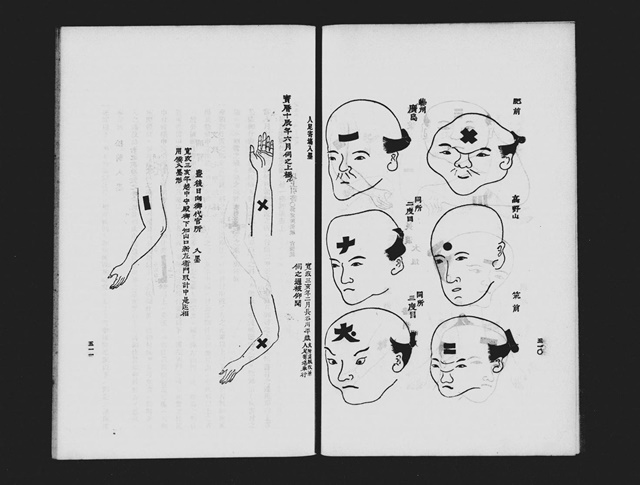
In the Edo period (1603–1868), tattoos were used as a punishment to mark criminals.
This historical association remained deeply embedded in Japanese culture long after the practice ended.
As a result, tattoos became a symbol of rebellion or law-breaking.
Modern Era: Organized Crime and Large Japanese Tattoos
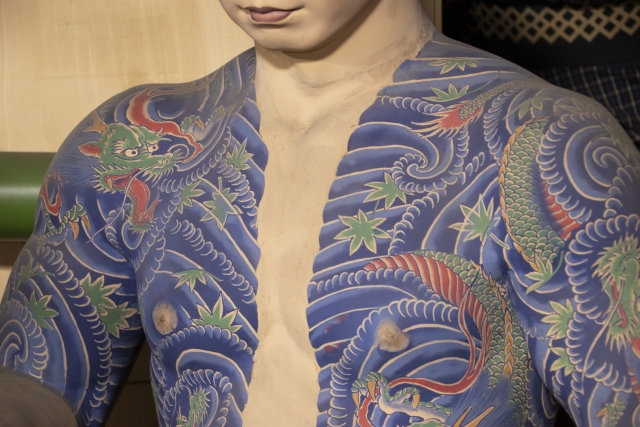
During the 20th century, large full-back tattoos—irezumi—became associated with organized crime groups.
This led many public baths and onsens to adopt a strict “no tattoo” policy to maintain a sense of safety and social comfort.
Why Foreign Tattoos Are Not Seen the Same Way

Most Japanese people today do not associate foreign tattoos with crime.
Small or artistic tattoos are often viewed simply as fashion or personal identity.
The stigma is mainly connected to large, traditional Japanese-style tattoos on Japanese individuals—not tourists.
Cultural Reality: How Japanese People Actually Perceive Tattoos Today
Young People: Fashion and Personal Style
Younger generations tend to see tattoos as self-expression.
Many have friends with small tattoos and do not react negatively at all.
Older Generations: Lingering Historical Stigma
Middle-aged and older Japanese may still associate tattoos with danger because they grew up during a time when the stigma was stronger.
This difference in perception often explains why some facilities remain cautious.
Urban vs Rural Differences
Cities like Tokyo, Osaka, and Fukuoka are generally more accepting, while rural regions tend to follow conservative customs.
Do Onsen Really Reject Foreign Visitors With Tattoos?

The short answer: rarely.
Most rejections are based on a general rule, not personal judgment.
Many staff members actually do not mind foreign tattoos but must follow the facility’s policy.
As tourism increases, more onsens now allow tattoos or provide cover stickers to accommodate visitors.
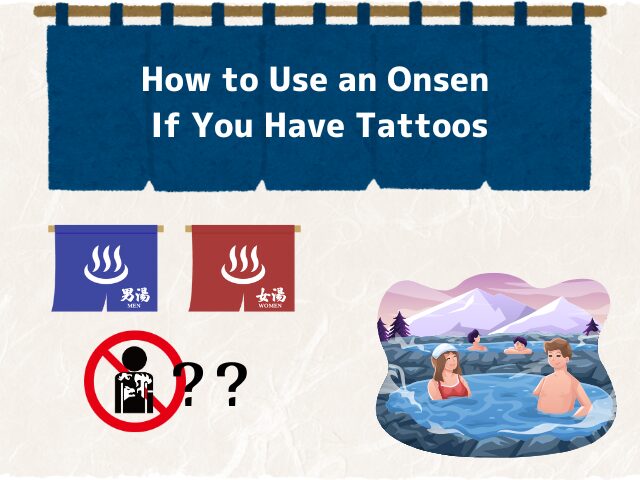
How to Use an Onsen If You Have Tattoos

1. Small Tattoos Are Usually No Problem
One or two small tattoos typically attract no attention, especially in larger onsens or hotel baths.
2. Use Cover Stickers
Many facilities allow tattoos if they can be covered.
Hotels sometimes provide stickers, or you can bring your own skin-tone patches.
3. Choose a Private Onsen (Kashikiri-Buro)
Private baths allow full privacy and are typically available at ryokan or hot spring hotels.
This is the easiest option for tattooed visitors.
4. Find “Tattoo-Friendly” Onsen
More onsens now openly welcome tattooed guests.
Search for these keywords on official websites:
- “Tattoo-friendly”
- “Tattoos allowed”
- “Cover sticker OK”
- “Private bath available”
5. Asking Staff (Example Phrases)
If unsure, ask politely:
“I have small tattoos. Is it okay to use the onsen?”
Most staff will answer kindly and guide you to a suitable option.
Regional Differences in Tattoo Acceptance

Hokkaido / Tohoku
Traditional but surprisingly open to foreign visitors.
Rural mixed baths (kon’yoku) may have unique rules.
Tokyo / Major Cities
Generally flexible; rules depend on the facility.
Kansai Region
Often a bit more conservative, but varies by location.
Kyushu (Beppu / Yufuin)
Tourism-focused areas with many tattoo-friendly options.
Okinawa
Very relaxed; tattoos rarely cause issues.
What Foreign Visitors Should Actually Do (Quick Checklist)
- Check the onsen website for their tattoo policy
- Carry small cover stickers
- Choose a private onsen if unsure
- Ask the staff politely—foreigners are rarely refused
- Respect general bathing etiquette (wash first, quiet atmosphere)
FAQ: Tattoos & Onsen in Japan
Are tattoos really banned in Japan?
Not by law. Only individual facilities set rules, mainly due to cultural history.
Do Japanese people dislike tattoos?
Most younger people do not.
Older generations may be cautious due to historical associations.
Will I be refused entry if I have tattoos?
Foreign visitors with small tattoos are rarely refused, especially in tourist areas.
Can I cover my tattoo?
Yes. Cover stickers are widely accepted and often provided.
Do ryokan allow tattoos?
Many do, especially if they have private family baths.
Are foreign tattoos viewed differently?
Yes. Most Japanese do not associate foreign tattoos with crime.
Why did tattoos become associated with crime?
Because of Edo-era punishments and 20th-century organized crime culture.
Is it rude to ask if tattoos are allowed?
No. Staff appreciate polite questions.
Are tattoo-friendly onsens common?
More than before, especially in major tourist areas.
Can I enter a mixed-gender onsen with tattoos?
Rules vary, but mixed baths tend to be flexible toward foreigners.
Related Articles
- Part①: What Is an Onsen?
- Part②: Onsen Etiquette & How to Bathe
- Part③: Top Onsen Destinations in Japan
- Japanese Bath Culture Explained
Author’s Note:
As a Japanese writer, I hope this guide helps you feel more comfortable exploring onsen culture.
Japan’s relationship with tattoos is complex, but it is changing quickly—and most locals want visitors to enjoy the country’s hot springs without worry.

