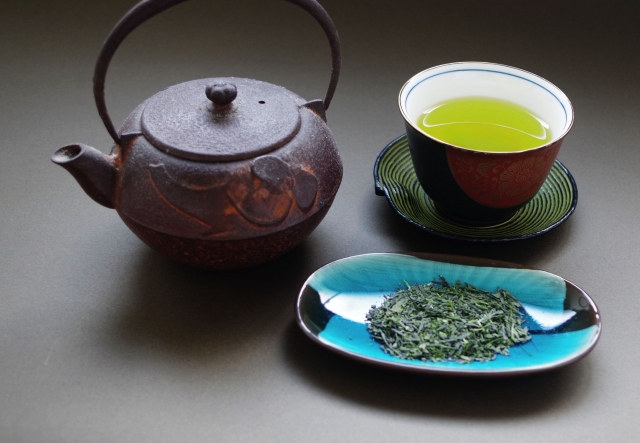
Japanese green tea is more than a drink — it is a reflection of seasonality, craftsmanship, and quiet hospitality.
From everyday sencha to ceremonial matcha, each style carries a different story.
This guide organizes the essential articles you need to understand how green tea developed in Japan and why it remains central to daily life.
Understanding Japanese Green Tea
Before exploring individual teas, start with the broader picture of how green tea evolved in Japan.
These foundational articles explain classification, production methods, and cultural meaning.
Types of Japanese Green Tea: From Sencha to Matcha, and How to Enjoy Each Flavor
A comprehensive overview of Japan’s major green tea varieties and how processing methods shape flavor, aroma, and texture.
If you want a structured introduction to sencha, matcha, gyokuro, and other styles, begin with this
complete guide to Japanese green tea types.
The Culture of Green Tea in Japan: From Shincha Season to Everyday Hospitality
Green tea functions socially as much as it does nutritionally.
This article explores first harvest traditions, seasonal awareness, and daily acts of hospitality.
For a deeper look at how tea reflects Japanese values, read this
guide to green tea culture in Japan.
Individual Green Tea Varieties
Once you understand the broader context, explore each tea in detail.
These articles focus on flavor profiles, production methods, and cultural significance.
Matcha: Japan’s Bright Green Tea of Tradition and Mindfulness
Stone-ground and vibrant in color, matcha represents ceremonial refinement and modern wellness trends.
Learn how powdered tea differs from leaf tea in this
complete introduction to matcha.
Sencha: Japan’s Classic Everyday Green Tea
The most widely consumed tea in Japan, sencha defines everyday flavor balance.
Explore its production and brewing character in this
guide to traditional sencha.
Gyokuro: Japan’s Shaded Green Tea of Deep Umami
Carefully shade-grown before harvest, gyokuro develops intense sweetness and umami.
Understand what makes it unique in this
deep dive into gyokuro tea.
Deep-Steamed Sencha (Fukamushi-cha): Japan’s Smooth, Velvety Green Tea
Longer steaming produces a richer color and softer texture.
See how processing changes taste in this
explanation of fukamushi-cha.
Why This Green Tea Cluster Matters
Green tea is not simply a beverage — it reflects Japan’s sensitivity to season, precision in craft, and subtle expressions of hospitality.
By connecting classification, culture, and individual varieties, this cluster provides a structured path to understanding Japanese food culture at a deeper level.
Together, these articles form a complete reference point for anyone curious about how tea shapes everyday life in Japan.