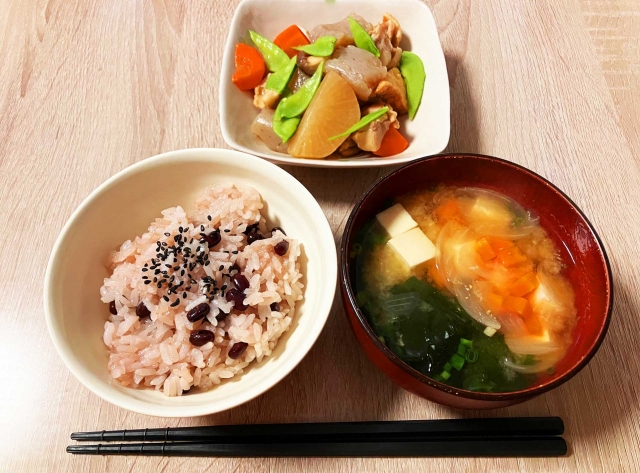
Instead of plain white rice, the table may hold sekihan — reddish rice with beans, a pleasantly chewy texture, and a light sprinkling of gomashio. It may be served for a birth, birthday, school milestone, wedding, or another joyful event.
To someone seeing it for the first time, sekihan may look like little more than reddish rice. In Japan, however, it often suggests that something worth celebrating has happened.
Sekihan shows how Japanese food culture can make an everyday staple feel special through small changes in color, texture, and meaning.
Quick Summary
- Sekihan is a Japanese rice dish traditionally associated with celebrations.
- It is usually made with glutinous rice and red beans.
- The beans and their cooking liquid give the rice its reddish color.
- Glutinous rice gives sekihan a chewier texture than ordinary steamed rice.
- It is commonly served with gomashio, a mixture of sesame seeds and salt.
- Most sekihan is mild and savory rather than sweet.
- Although it remains a celebration food, people also buy it simply because they enjoy its taste.
What Is Sekihan?
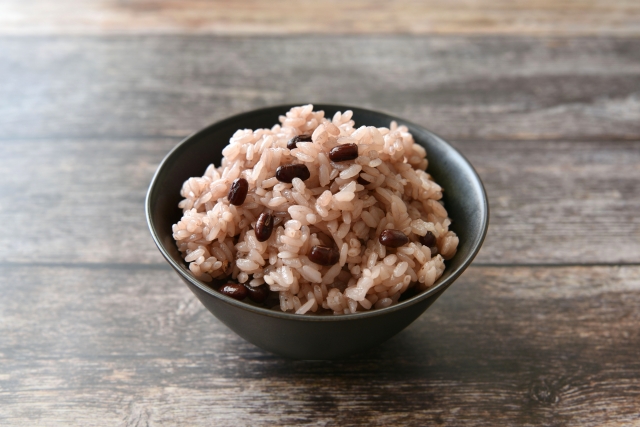
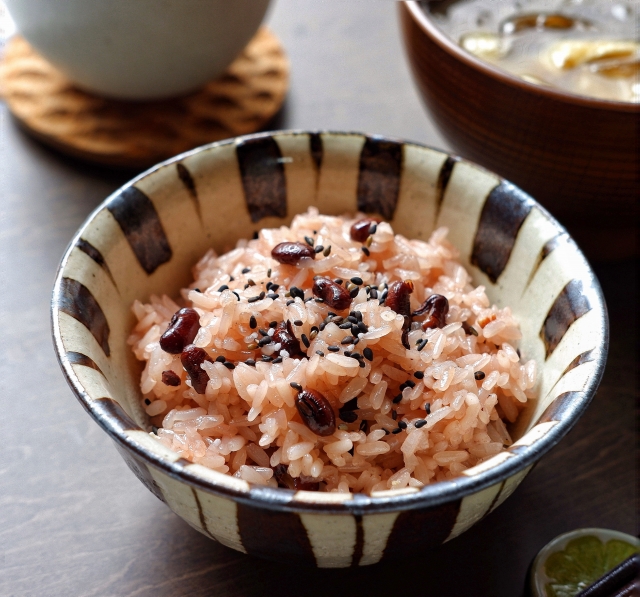
A bowl of sekihan, a traditional Japanese dish of glutinous rice cooked with red beans, showing its reddish color and chewy rice grains.
Sekihan (赤飯) literally means “red rice.”
Despite the name, it is not normally made from a naturally red variety of rice. White glutinous rice is cooked with beans and their reddish cooking liquid, which colors the grains.
The main rice used is mochigome, or glutinous rice. This is the same type of rice traditionally used to make mochi. When cooked, it is denser, stickier, and chewier than ordinary Japanese table rice.
Some households combine glutinous rice with regular short-grain rice to make the finished dish slightly lighter. Preparation methods also vary, but the basic character remains the same: reddish rice, whole beans, and a distinctive chewy texture.
Sekihan is usually eaten as part of a meal rather than as a dessert. It may accompany soup, fish, simmered vegetables, pickles, and other dishes served at a family gathering.
Its ingredients are simple. What makes it special is the meaning attached to the dish.
Why Is Sekihan Red?
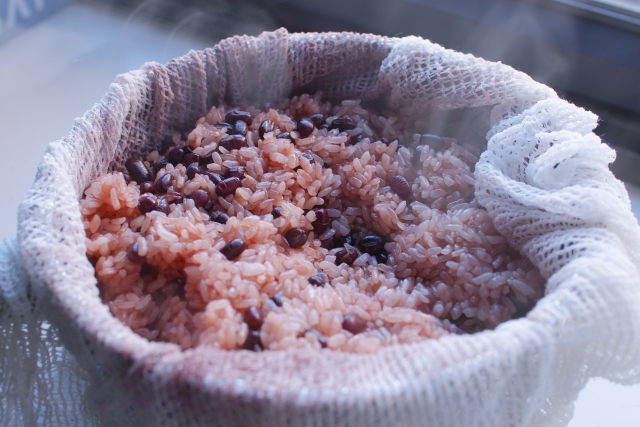
Sekihan gets its reddish color naturally from the cooking liquid of the beans.
The reddish color of sekihan comes from the beans.
When the beans are cooked, their pigments are released into the cooking water. That liquid is then used to cook or steam the rice, giving it a pale red, pink, or reddish-purple color.
The exact shade varies. Sekihan does not need to be bright red to be recognized as the dish.
Red has also long been regarded as an auspicious color in Japan. It has been associated with happy occasions and, traditionally, with protection from misfortune.
Most people eating sekihan today are probably not thinking deeply about those older beliefs. The connection is often simpler: red rice looks festive and has simply become associated with happy occasions.
The color separates sekihan from an ordinary bowl of white rice before anyone even tastes it.
Why Is Sekihan Served for Celebrations?
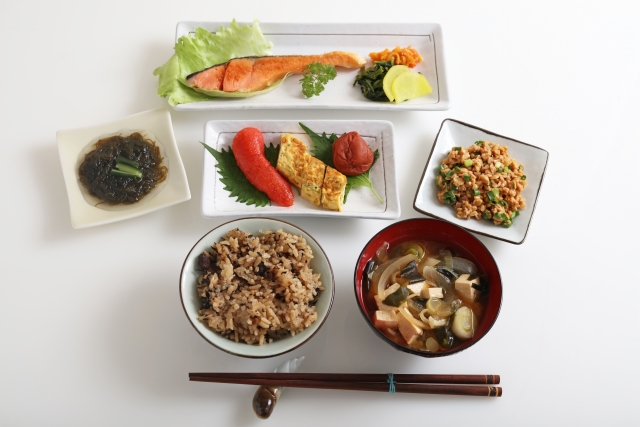
Sekihan is often served with soup, grilled fish, and small side dishes as part of a celebratory Japanese meal.
Rice has long stood at the center of Japanese meals.
Because it is such a familiar part of everyday life, rice can also become a natural way to mark an important occasion. Sekihan does not replace the usual staple with something completely unfamiliar. Instead, it transforms the rice people already know.
The reddish color makes it look different.
The glutinous rice gives it a richer, chewier texture.
The occasion gives it emotional meaning.
Together, these small changes turn everyday rice into food that expresses congratulations and shared happiness.
Sekihan may be served for events such as:
- the birth of a child
- birthdays
- entering school
- graduation
- Coming of Age celebrations
- weddings
- milestone birthdays and longevity celebrations
- other family achievements
The custom varies greatly. Some families prepare sekihan for several milestones, while others rarely serve it at all. Modern celebrations may involve sushi, cake, restaurant meals, or whatever food the person being celebrated prefers.
Sekihan is therefore not a mandatory celebration food. It is better understood as one of Japan's most widely recognized foods for marking a joyful moment.
What Does Sekihan Taste Like?
Most sekihan is mild and savory.
People unfamiliar with the dish sometimes expect it to be sweet because it contains red beans. However, the beans are normally left whole rather than turned into a sweet paste.
The most noticeable difference from ordinary rice is the texture.
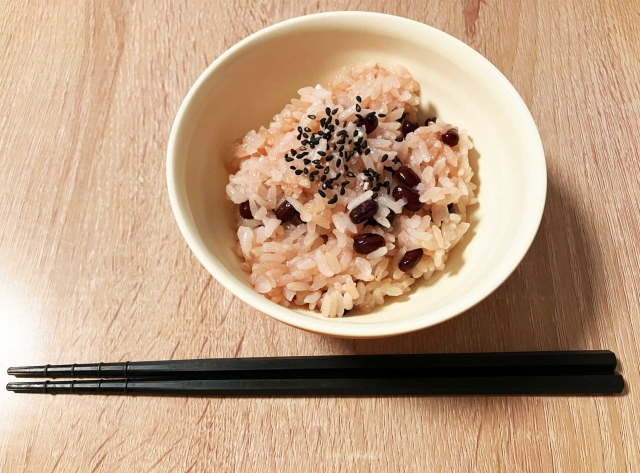
Glutinous rice gives sekihan a soft but chewy consistency. Each bite feels denser and more substantial than regular steamed rice without being heavy.
The beans add a gentle earthy aroma and a slight change in texture. Their flavor is present but not strong enough to overpower the rice.
Sekihan has a quiet taste rather than bold seasoning. Its appeal comes from the combination of chewy rice, the subtle fragrance of the beans, and the salt and roasted aroma added by gomashio.
Why Is Gomashio Served with Sekihan?
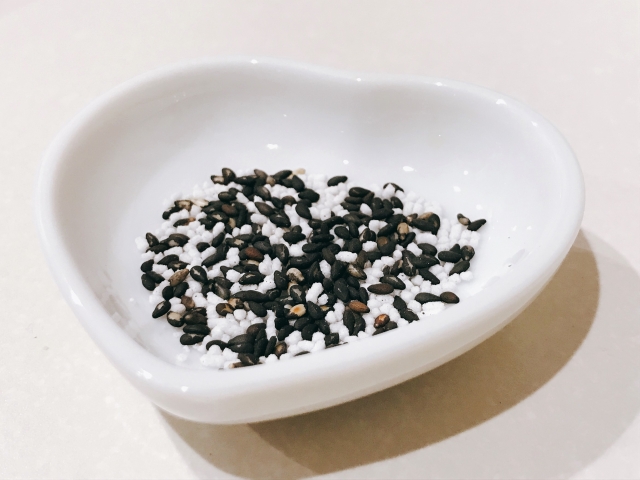
Gomashio, a simple mixture of black sesame seeds and salt, is traditionally sprinkled over sekihan.
Gomashio is a simple mixture of sesame seeds and salt.
It may look like a minor garnish, but it plays an important role in the way sekihan tastes.
The salt makes the natural sweetness of the glutinous rice more noticeable. The sesame adds a roasted aroma and a slight crunch. Dark sesame seeds also create a clear visual contrast against the reddish rice.
Gomashio does not cover the taste of sekihan. It sharpens and completes it.
For many people, the combination is so familiar that sekihan without gomashio can feel as though something is missing.
This is a small example of how Japanese cooking often uses restrained seasoning. A modest addition can change the balance of a dish without hiding its main ingredients.
Is Sekihan Still Common in Modern Japan?
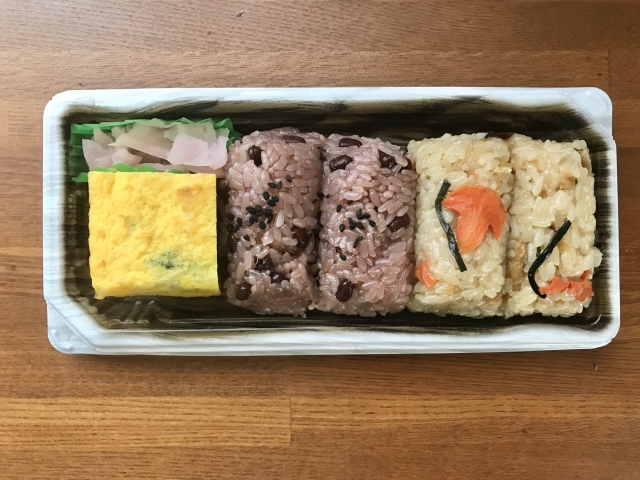
Prepared sekihan is commonly sold alongside other rice dishes in Japanese supermarkets and food stores.
Sekihan remains familiar in Japan, although many households may no longer prepare it from scratch.
Prepared sekihan is sold in supermarkets, department store food halls, and bento shops. Convenience stores may also sell sekihan onigiri.
Its availability is not explained by tradition alone.
Many people simply enjoy eating it.
The chewy glutinous rice feels different from an ordinary rice ball. The beans add a gentle aroma, and gomashio brings out the rice's sweetness. Together, they give sekihan a flavor and texture of its own.
Someone may buy it for a family celebration. Someone else may see a sekihan onigiri in a convenience store and suddenly feel like eating one.
That small everyday choice helps explain why sekihan has never become only a ceremonial food.
Tradition helps explain why sekihan became a celebration food. Its taste helps explain why it still has a place in everyday life.
What Sekihan Reveals About Japanese Food Culture
Sekihan shows how Japanese food culture can make a familiar food feel special without changing it completely.
Rice remains the foundation.
The color becomes warmer.
The texture becomes chewier.
The occasion gives the dish a different meaning.
Sekihan is not special because it is expensive or elaborate. It becomes special because people prepare and share it at moments that matter to them.
For some people, its familiar taste may also bring back memories of birthdays, graduations, or family gatherings. Others simply enjoy it whenever they happen to see it in a shop.
In both cases, sekihan remains connected to ordinary life.
It is celebration food, but it is not distant or ceremonial to the point that people cannot enjoy it casually. That balance between special meaning and everyday pleasure is one reason the dish continues to feel familiar in Japan.
An ordinary bowl of rice becomes something quietly memorable.
That small transformation says a great deal about Japanese food culture.
FAQ
What is sekihan?
Sekihan is a Japanese rice dish made mainly with glutinous rice and red beans. It is known for its reddish color, chewy texture, and traditional connection with celebrations.
Why is sekihan red?
The color comes from the reddish cooking liquid produced by the beans. Red has also traditionally been associated with good fortune and happy occasions in Japan.
Is sekihan sweet?
Usually not. Most sekihan is mild and savory, with a gentle natural sweetness from the rice. It is normally eaten with salted sesame seeds rather than sugar.
Is sekihan made with sticky rice?
Yes. Sekihan is usually made mainly with glutinous rice, known in Japanese as mochigome. Some recipes mix it with ordinary Japanese short-grain rice.
Why is gomashio added to sekihan?
The salt brings out the rice's natural sweetness, while the sesame adds roasted aroma and texture.
Do Japanese people only eat sekihan for celebrations?
No. Sekihan remains strongly associated with celebrations, but people also buy it simply because they enjoy its chewy texture and familiar flavor.
Can you buy sekihan in Japan?
Yes. Prepared sekihan and sekihan onigiri are sold in supermarkets, bento shops, department store food halls, and some convenience stores.

