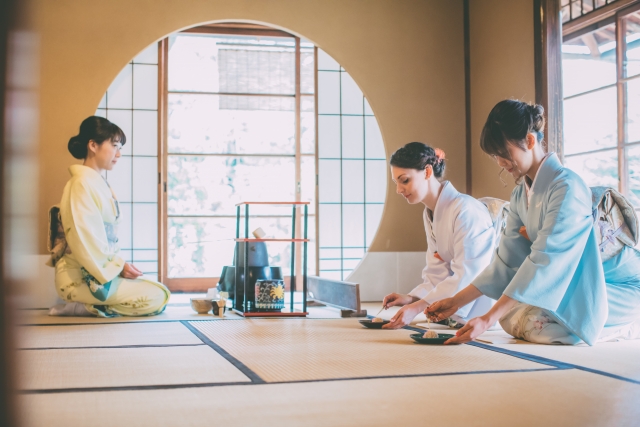
The Japanese tea ceremony is often explained through words such as Zen, wabi-sabi, mindfulness, and ritual. Those ideas are part of its history, but they are not always the easiest way to understand what tea ceremony means in modern Japan.
Most Japanese people do not practice tea ceremony in everyday life. We do not normally sit in a tatami tearoom, whisk matcha, or think about Zen philosophy when drinking tea. And yet, something about tea ceremony still feels familiar.
When guests visit, we may use nicer cups, place them on small saucers, prepare sweets, or choose a drink that seems appropriate for the person and the weather. It might be green tea or coffee. On a hot day, it might be iced coffee or bottled tea.
The form changes, but the basic idea is simple:
Think about the other person and choose what seems best for that moment.
Tea ceremony takes that instinct for hospitality and develops it into a highly refined cultural practice.
Quick Summary
- Japanese tea ceremony is known as chado, sado, or chanoyu.
- Matcha is central, but tea ceremony is about much more than drinking tea.
- The host considers the guest, season, utensils, sweets, flowers, room, and atmosphere.
- Most Japanese people do not practice tea ceremony in daily life.
- Zen and wabi-sabi are historically important, but they are not necessarily how ordinary Japanese people think about tea ceremony today.
- A useful way to understand tea ceremony is as a highly refined form of omotenashi, or hospitality.
- In everyday Japan, that hospitality is much less formal and may not involve tea at all.
What Is the Japanese Tea Ceremony?
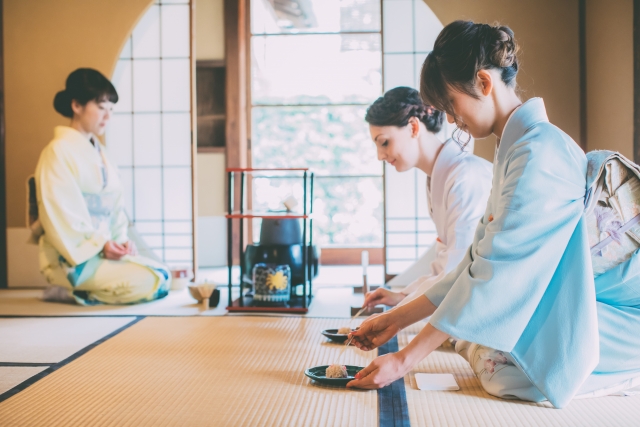
The Japanese tea ceremony is a cultural practice centered on preparing and serving matcha to guests. It is commonly called chado, sado, or chanoyu.
At first glance, the central activity seems simple: a host prepares matcha, and a guest drinks it. But the experience includes much more. The host may consider the tea bowl, utensils, sweets, flowers, hanging scroll, season, arrangement of the room, and even the rhythm of each movement.
Tea, then, is only one part of a carefully prepared encounter between host and guest. That is why tea ceremony is better understood as a complete form of hospitality built around tea, rather than simply a traditional way of drinking matcha.
Do Japanese People Practice Tea Ceremony in Everyday Life?
Usually, no. Tea ceremony is well known in Japan, but it is not part of daily life for most people.
Some people study it seriously through tea schools, clubs, or cultural activities. Others may experience it at temples, traditional venues, schools, or tourist events. But many Japanese people live their entire lives without ever formally learning tea ceremony.
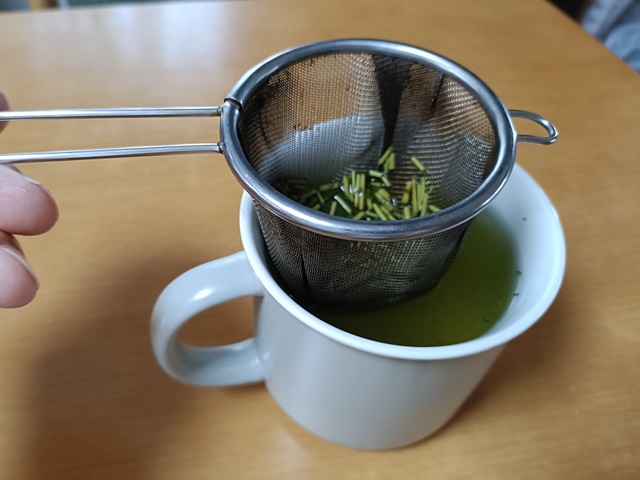
Daily tea is usually much simpler: sencha at home, hojicha, bottled green tea, or whatever happens to be convenient.
This distinction matters because Japanese tea culture is much broader than tea ceremony. Matcha and chado are important parts of that culture, but they are not the same thing as everyday Japanese tea drinking.
What Is Tea Ceremony Really About?
A useful way to understand tea ceremony is through omotenashi, or hospitality. The purpose is not simply to make a technically perfect bowl of matcha. The host prepares for another person.
That means thinking about the season, the occasion, the guest, the utensils, the sweets, and the atmosphere of the room. The most expensive choice is not always the best choice. What matters is whether each element suits the person and the moment.
In that sense, tea ceremony turns a simple principle into a highly developed cultural practice:
Think about the other person and prepare the best experience you can for that particular encounter.
Why Are There So Many Rules?
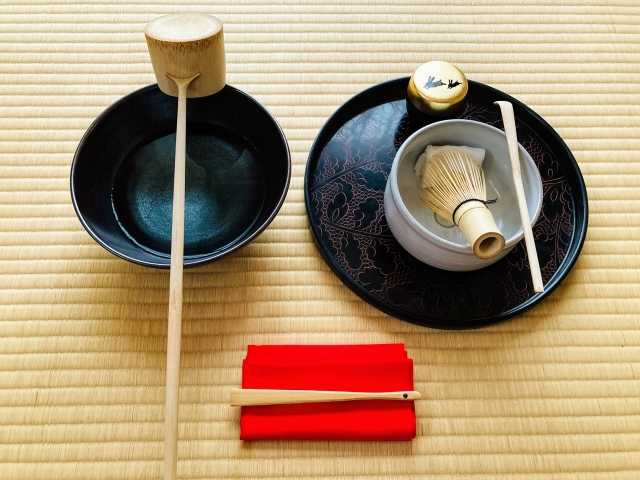
From the outside, tea ceremony can look intimidating. There are particular ways to handle utensils, prepare matcha, bow, receive the bowl, and move through the room. But the rules are not simply there to make tea difficult.
They create a shared structure for both host and guest. The movements make care visible. Cleaning a utensil carefully, placing an object deliberately, or presenting a bowl in a particular way shows that the occasion has been prepared with attention.
Historically, Japanese society also placed great importance on rank, etiquette, relationships, and appropriate behavior. Tea ceremony brought many of those concerns together into one highly structured setting. The rules, then, are not just formal obstacles. They are part of how consideration is expressed.
Why Do Sweets, Bowls, Flowers, and Seasons Matter?
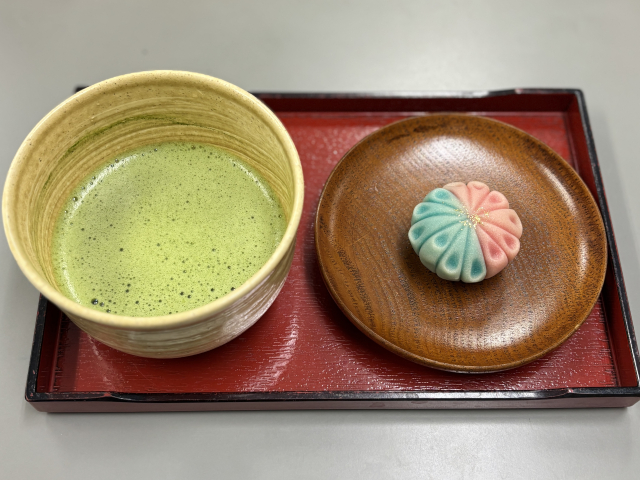
If tea ceremony were only about making good matcha, most of these things would be unnecessary. A flower does not change the flavor of the tea. A hanging scroll does not make matcha smoother. A beautiful bowl does not create more umami.
But all of them affect the guest's experience. Wagashi adds sweetness before the bitterness and umami of matcha, but it also brings color and seasonality. The bowl contributes texture, weight, and visual character, while flowers and the room help establish the atmosphere of the occasion.
Tea ceremony therefore prepares not only a drink, but a whole setting. The question is not simply, “What tea should I serve?” It is closer to:
“What kind of place should I create for this person, at this moment?”
Why Is Matcha Used?
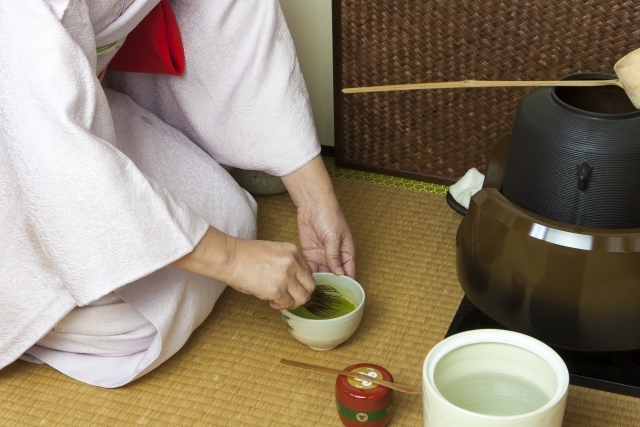
One distinctive feature of matcha in tea ceremony is that it is prepared directly in the bowl and served immediately. Unlike sencha, the leaves are not steeped and removed. Matcha is made from tencha that has been processed and ground into a very fine powder.
The guest can see the host measure the tea, add water, whisk it, and present the finished bowl. The preparation itself becomes part of the hospitality.
Is Tea Ceremony Really About Zen and Wabi-Sabi?
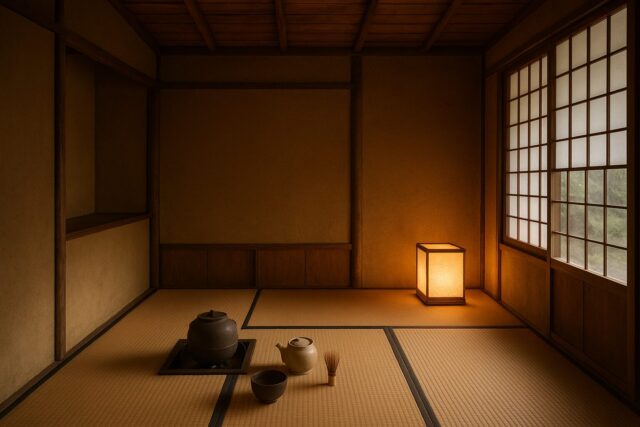
Zen Buddhism had an important influence on the historical development of Japanese tea culture, and ideas associated with wabi became deeply connected with tea ceremony.
Those influences are real, but they can become misleading if they are treated as the whole explanation.
For many modern Japanese people, tea ceremony does not immediately bring to mind Zen philosophy or meditation. Nor do most people consciously think about wabi-sabi when serving someone a drink.
Those ideas help explain the history and aesthetics of chado. But for understanding how tea ceremony connects to ordinary Japanese life, hospitality is often a more intuitive starting point.
How Does the Same Idea Appear in Everyday Japan?
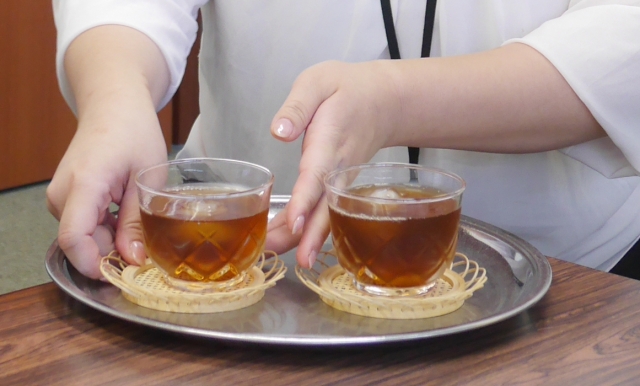
This is where tea ceremony becomes easier to relate to. Everyday hospitality is much less formal.
If someone visits a Japanese home, the host may use a nicer yunomi (tea cup) than usual, place it on a small chataku (a saucer for tea cups), and prepare something sweet. But there is no rule saying the drink must be Japanese tea.
If coffee suits the sweets better, coffee may be served. On a hot summer afternoon, cold mugicha (barley tea), iced coffee, or another chilled drink may feel more appropriate.
No one would call this chado, and it would be misleading to describe these habits as direct tea ceremony rituals. But the underlying question is familiar:
What would be comfortable or appropriate for this person right now?
That is where formal tea ceremony and everyday hospitality begin to connect. Tea ceremony keeps a highly structured form. Daily life keeps the intention and adapts it freely.
Can Travelers Experience Tea Ceremony Without Knowing the Rules?
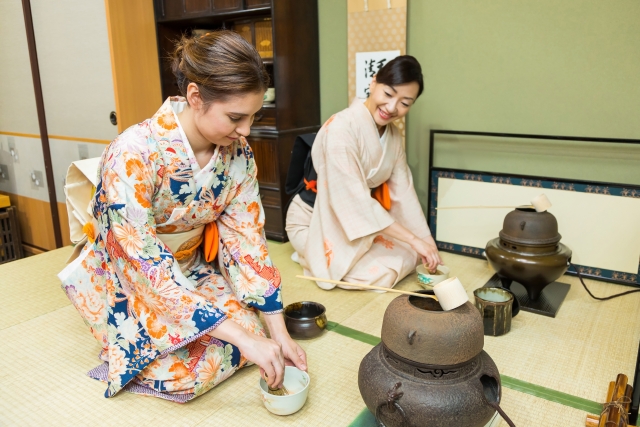
Yes. Visitors sometimes worry that they will offend the host by bowing incorrectly, holding the bowl the wrong way, or forgetting when to turn it. But beginners are not expected to behave like experienced practitioners.
A tourist-oriented tea experience is also very different from a highly formal gathering. If guidance is provided, follow it, treat the utensils carefully, watch what others do, and do not worry about performing every movement perfectly.
The value of the experience is not in pretending to be an expert. It is in seeing how much attention can be placed around a single bowl of matcha.
What Tea Ceremony Reveals About Japanese Culture
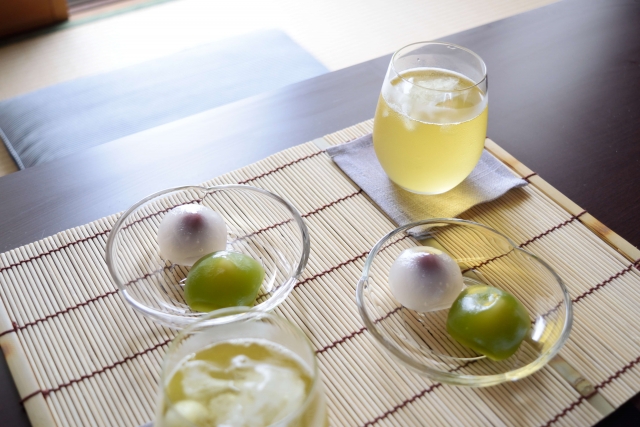
Most Japanese people do not practice tea ceremony. They may never own a chasen, never enter a traditional tearoom, and drink bottled tea far more often than matcha. Yet the basic idea behind tea ceremony can still feel familiar.
In formal chado, the host may consider the bowl, sweets, flowers, utensils, season, room, and every movement. In everyday life, that consideration is much simpler. It might mean choosing a cold drink on a hot day, serving coffee because it suits the sweets better, or using nicer cups when someone visits.
Everyday hospitality is not tea ceremony. But both can begin with the same idea:
Think about the other person and choose what seems best for the moment.
The form changes. The consideration remains.
Author's Note
Tea ceremony can feel distant even to a Japanese person. I do not prepare matcha for guests in a tearoom, and I do not think about Zen or wabi-sabi when someone comes to my home. But I do think about what to offer them.
Recently, while my sunroom was being renovated, I prepared bottled tea and individually wrapped snacks for the workers. If it had been especially hot, I might have chosen iced coffee instead.
That is not tea ceremony. But the basic instinct feels familiar:
What would be best for this person right now?
FAQ: Japanese Tea Ceremony
Is Japanese tea ceremony common in everyday Japanese homes?
No. Most Japanese households do not regularly practice formal tea ceremony. Everyday tea drinking is generally much more casual.
Is tea ceremony the same as drinking matcha?
No. Matcha is central to tea ceremony, but the ceremony also includes the host, guest, utensils, sweets, room, season, and established forms of interaction.
Is tea ceremony a Zen Buddhist ritual?
Zen influenced the historical development of tea ceremony, but modern tea ceremony is not simply a Buddhist ritual.
Why do guests eat sweets before drinking matcha?
The sweetness creates a contrast with the bitterness and umami of matcha, while the sweets can also express the season through their shape, color, and design.
Do I need to know tea ceremony etiquette before joining?
Not for most beginner or visitor-oriented experiences. Follow the host's guidance and treat the utensils respectfully.
Does omotenashi always mean serving Japanese tea?
No. In everyday Japan, hospitality may involve tea, coffee, cold drinks, snacks, or whatever best suits the guest and situation.
Related Reading on YUNOMI
Types of Japanese Green Tea: Sencha, Matcha & More
explains where matcha fits within the wider world of Japanese green tea.
How Matcha Is Made from Tencha
explains why matcha is a powdered tea and how it differs from ordinary leaf tea.
Why Is Matcha Ground with Stone Mills?
looks at why traditional stone milling remains associated with matcha.

