Shinobi

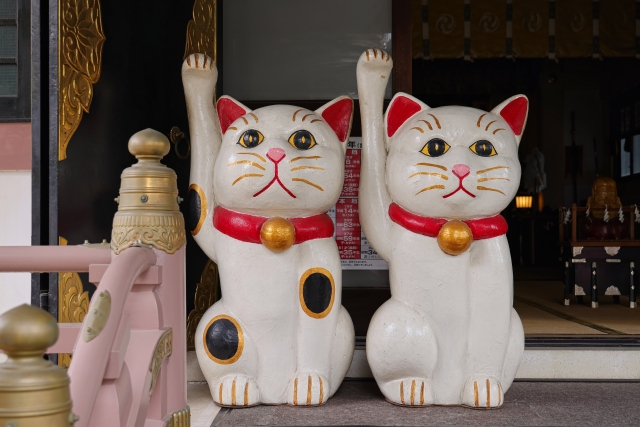
The Maneki-neko, or Japanese “beckoning cat,” is one of Japan’s most recognizable lucky symbols. Seen at shop entrances, homes, and even temples, this charming cat is believed to invite good fortune, customers, and prosperity. In this guide, you'll learn what the Maneki-neko actually is, where it came from, why different paw positions and colors have unique meanings, and how this small figure reflects Japan’s deeper culture of “inviting good luck.” What Is the Maneki-Neko? The Maneki-neko is a traditional Japanese figurine shaped like a cat raising one paw to “beckon” good luck, customers, or prosperity. It is usually made ...
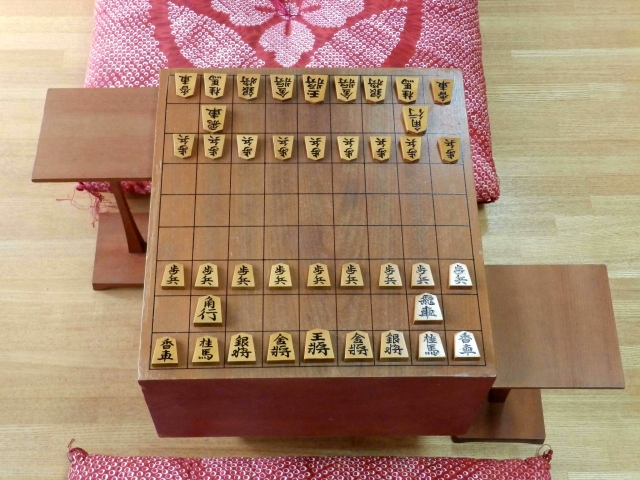
Shogi is not simply the Japanese version of chess. It is a traditional board game shaped by Japanese ideas of discipline, reuse, and respect — values that continue to influence how the game is played, studied, and passed down today. By looking beyond the rules, shogi offers a window into how Japanese culture understands competition, growth, and human potential. What Is Shogi? Shogi is a Japanese strategy board game in which captured pieces can be reused, turning conflict into continuity rather than elimination. While often introduced as “Japanese chess,” this comparison only explains how shogi looks — not what ...
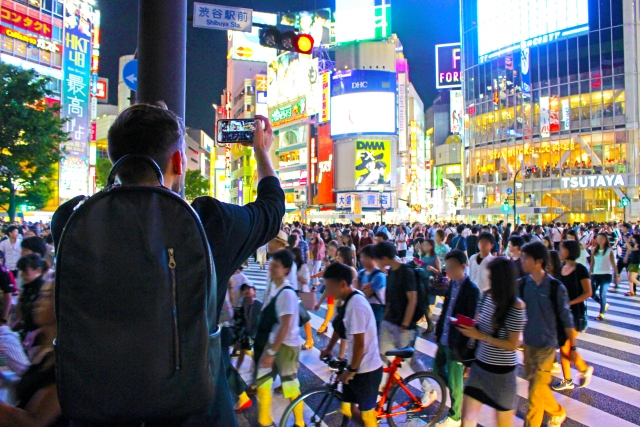
Japan is often called one of the safest countries in the world.But what does that actually mean?Safety here is not only about low crime rates—it also includes how people live in big cities, the calm of rural communities, and even the risks that come from nature. This article looks at real crime data, everyday examples, and the dangers you might not expect, from nightlife scams to wild bears. Safety by the Numbers: Japan vs the World When we talk about safety, numbers make the picture clear.Here’s how Japan compares with other countries in homicide and theft rates (per 100,000 people). ...
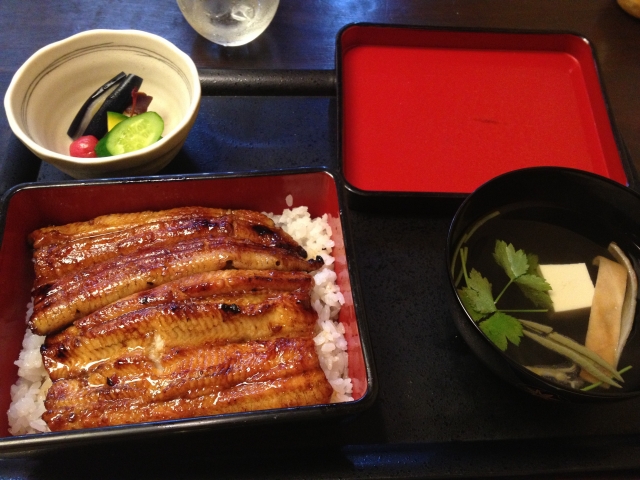
Let’s be honest Japan is known throughout the world for its use of cutting-edge technology to make everyday life easier. In fact, there are hundreds of products in Japan with the sole purpose of increasing strength and alleviating suffering in the sweltering days of a Japanese summer, yet none work as well as unagi (the Anguilla Japonica freshwater eel). This historical food remedy is crunchy and sweet on the outside while remaining succulent and soft on the inside. Unagi is served throughout the year but the peak consumption is during the summer months in most major cities. What is ...
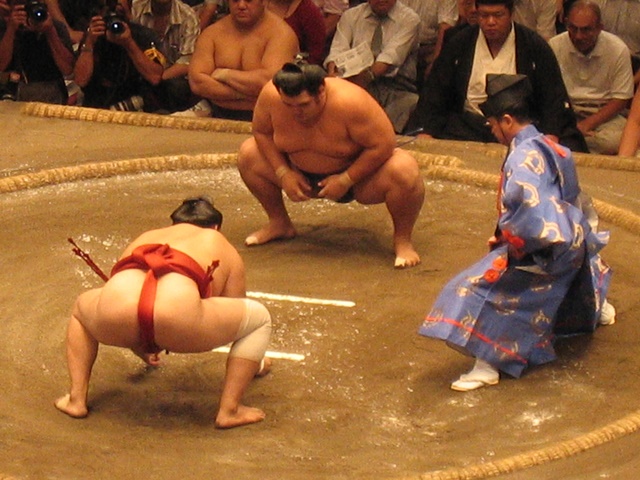
Sumo wrestling or Sumo is a competitive full-contact wrestling sport where a rikishi (wrestler) attempts to force another wrestler out of a circular ring or the Dohyō or into touching the ground with anything other than the soles of his feet. The sport originated in Japan, the only country where it is practiced professionally It is generally considered a Gendai-budō (a modern Japanese martial art), however, this definition is misleading, as the sport has a history spanning many centuries. Many ancient traditions have been preserved in sumo, and even today the sport includes many ritual elements, such as the use ...
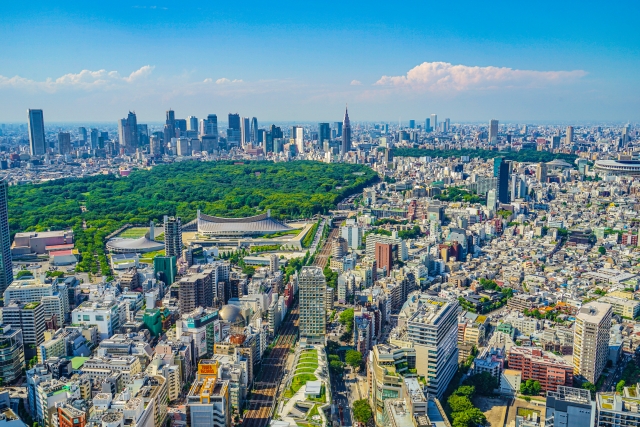
Living costs in Japan and especially in Tokyo are famous to be among the world's highest. However, if you live outside of central Tokyo, adjust to a Japanese lifestyle, and do not depend too heavily on food and products from your home country, you may be surprised how inexpensive Japan can be. Also in Japan's many dollar shops, you can find goods for less than $1.00 US that you would not find available anywhere else, and some of these are of reasonable quality. Food Costs Local supermarkets are relatively inexpensive if you stick to Japanese food such as seasonal ...
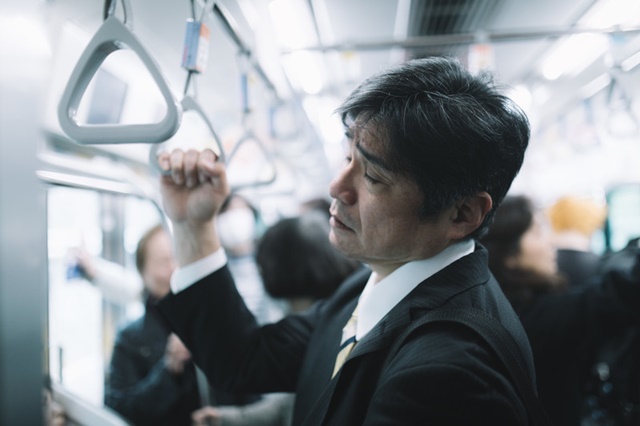
Japan is famous not only for its advanced technology and unique culture, but also for its intense work ethic.For decades, Japanese office workers have been associated with long hours, late nights, and a word that shocked the world: karoshi — death from overwork. Why does this happen in a country that values harmony and discipline?And why do so many employees still find it difficult to leave the office on time or take their paid vacation? This article explores the cultural and structural reasons behind Japan’s overtime problem — from social pressure and “unwritten rules” to the tragic consequences of karoshi ...
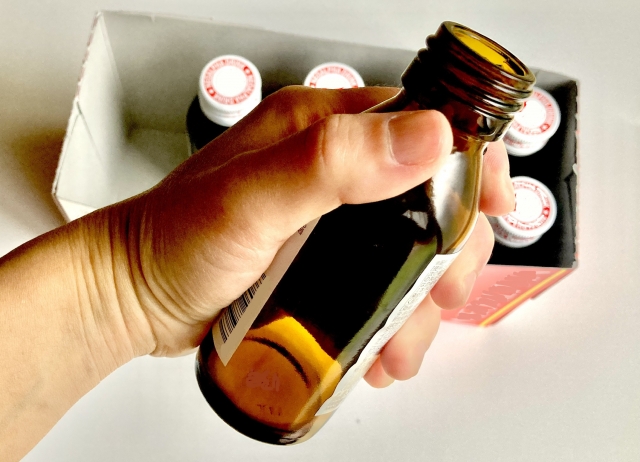
Walk into almost any Japanese convenience store and you will notice something unusual in the drinks section: rows of tiny brown glass bottles with gold caps. At first glance they look more like medicine than something you would casually pick up and drink.These bottles are Japan's traditional nutritional drinks. Long before large cans of Monster or Red Bull became a fixture of modern life, Japanese workers were relying on these small tonic-style drinks to fight fatigue and push through long workdays.Today they still hold their ground alongside modern energy drinks, representing two distinct generations of how people in Japan recharge. ...
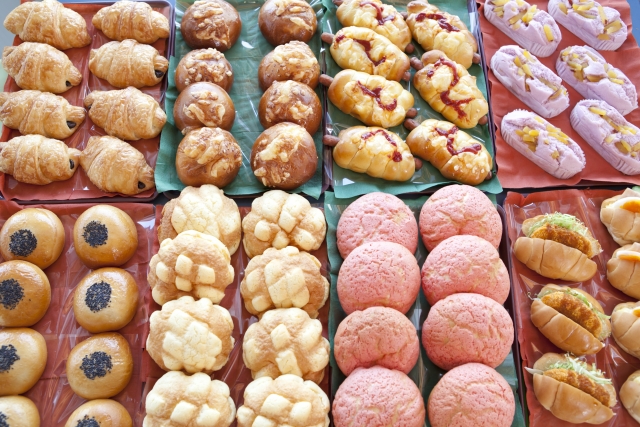
While you might think of Japan as a nation of rice, you'd be surprised by the utter ubiquity of bakeries in the country. Bread has taken a long time to rise here, but the results are remarkably appetizing! So let’s begin by looking briefly at the history of bread in Japan. Bread In Japan A Brief History Bread first came to Japan through Portuguese traders and missionaries in the mid-16th century. However, Christianity was banned in the early 17th century, and any toehold bread had made went with it. But the name stuck, the Japanese word for bread in ...
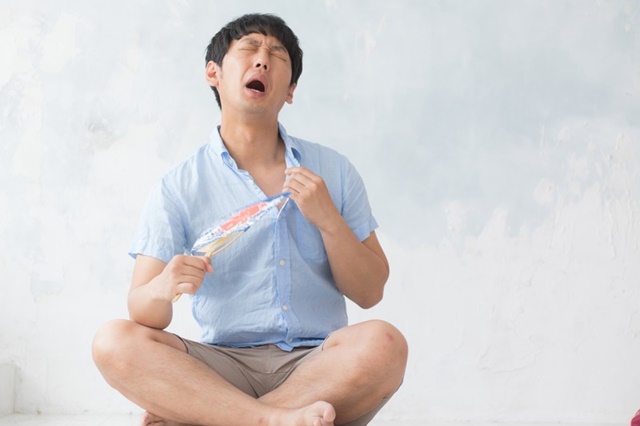
I’ve long dreaded summer; it’s my least favorite season, at least in Japan. Back in Europe, I didn’t mind the summers because they were dry. It’s early July; the rainy season is more or less over now in Japan for this year, and temperatures are already mirroring those of last year on some days. It seems that during the summertime in Japan, no matter where I go, the heat keeps constantly bugging me. To Survive The Summer In Japan Here are some tips for surviving the Japanese summer heat –many of these tips will help you beat the heat and ...