Why “YUNOMI”?

The name comes from the casual phrase “you know mean?” — something people say when sharing small stories. It sounds just like yunomi (a Japanese teacup), which also represents warmth and everyday life. That’s exactly what this blog is about: sharing small, warm moments of Japanese culture that make you say, “Ah, I get it now.”

Shodo: The Art and Spirit of Japanese Calligraphy

Calligraphy in Japan, known as Shodo , is more than just writing beautifully.It is an art form that expresses both character and emotion through brush, ink, and balance. The black ink on white paper creates a striking contrast, where every line and curve reflects the writer’s spirit and discipline.Shodo is considered one of the most refined expressions of traditional Japanese aesthetics. What Is Shodo? The word Shodo literally means “the way of writing.”It combines artistic beauty with spiritual concentration — a practice deeply rooted in Zen philosophy. When you watch a calligrapher move the brush, each stroke seems alive.The rhythm, ...

Omiyage: The Art of Souvenir-Giving in Japan

Whenever and wherever Japanese people travel, one thing is always on their mind — souvenirs, or omiyage (お土産). In Japan, bringing back souvenirs isn’t just about buying gifts; it’s about sharing your experience and showing thoughtfulness toward others. Whether it’s for friends, family, coworkers, or neighbors, bringing home omiyage is a deeply rooted social custom.   More Than a Gift — A Gesture of Connection Souvenirs represent the joy of travel and the appreciation of those waiting back home. In Japan, it’s almost unthinkable to return from a trip without omiyage. People might even feel embarrassed to come back empty-handed ...

Why Japanese People Love Abbreviations: The Culture of Shortened Words

Japan is full of shortened words — and once you notice them, you’ll hear them everywhere. From remote control becoming Remo-con to smartphone becoming Sma-pho, abbreviations are a fun and natural part of everyday Japanese communication.  1. Why Japanese People Shorten Words Japanese culture values efficiency and simplicity, but there’s more to it than that. The Japanese language has a natural rhythm made of short syllables, so shortening words makes them easier to say and gives them a catchy, rhythmic sound. That’s why even foreign brand names and people’s names get shortened based on sound, not spelling: Starbucks → Staba ...

School Lunch in Japan: More Than a Meal, a Lesson in Living Together

In Japan, students receive school lunches — kyūshoku — from elementary through junior high school. Everyone eats the same meal, served at the same time, in the same classroom. It’s part of the country’s compulsory education and continues until the end of junior high. From high school onward, students usually bring their own obento lunch boxes.   Kyushoku=School Lunch The system began as a way to ensure that all children, regardless of family income, could eat a nutritious meal during the day. It also lightens the burden on parents, who no longer need to prepare daily lunches. With a small ...

Shinmai: Japan’s Freshly Harvested Rice and the Joy of the New Season

In Japan, rice is more than just a staple food — it’s a symbol of life, gratitude, and seasonal change. Every autumn, the arrival of shinmai , or “newly harvested rice,” is celebrated across the country.   When New Rice Arrives Harvest begins in southern Japan around early August and slowly moves northward. By the time Hokkaido finishes in October, the entire country is surrounded by the scent of fresh rice. Thanks to Japan’s advanced storage and milling systems, rice quality remains high throughout the year. Even rice that’s a year old still tastes good — but shinmai stands apart. ...

Japanese-Made English: When English Words Take on a Japanese Twist

Japan loves to borrow words from English — but what’s funny is that many of them have taken on completely new meanings here.They sound familiar to English speakers, yet… not quite right.These unique creations are called Japanese-made English, or wasei-eigo (和製英語). Let’s look at some fun examples you might come across in everyday Japan! “Salaryman” and “Office Lady” If you meet someone who introduces himself as a salaryman, he’s simply saying he’s an office worker — someone who earns a monthly salary.And his female colleague? She’s an Office Lady, or OL for short. These words are everywhere in Japan — ...

Maternal and Child Health Handbook: Japan’s Lifelong Record of Love and Care

In Japan, expecting mothers receive a small yet powerful booklet called the Boshi-techo  or Maternal and Child Health Handbook. It’s more than just a medical record — it’s a symbol of how deeply Japanese society values the connection between parent and child, and the idea of caring for life from the very beginning.   👶 What Is the Boshi-techo? Once a pregnancy is officially confirmed at the hospital, mothers are encouraged to visit their local city hall to receive the Boshi-techo. This diary-sized booklet contains essential information about pregnancy, childbirth, and childcare — including nutrition, mental health, and advice for ...

Free Items in Japan: Are They Really Free?

Japan is famous for small kindnesses in everyday life — from a free wet towel at restaurants to complimentary amenities at hotels. But what counts as “free,” and what comes with small rules or expectations? Here’s a clear guide so you can enjoy Japan’s freebies politely and confidently.   What “Free” Usually Means in Japan Included in the service price: Items are offered as part of what you already pay for (meals, rooms, tickets). Compliments for comfort: Small extras intended to improve the experience (wet towels, water, tea, condiments). Promotional samples: Freebies given to introduce a new product (supermarkets, drugstores, ...

Garbage Disposal in Japan: How to Separate and Throw Away Trash Properly

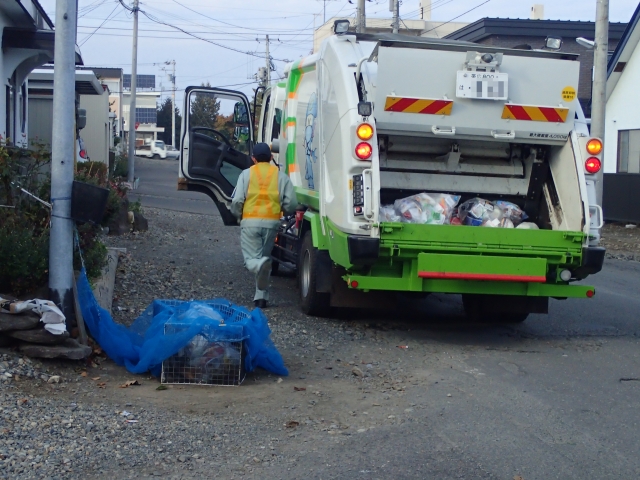
Japan is known for being one of the cleanest countries in the world — and that’s not by accident. Behind the spotless streets lies a detailed garbage disposal system that relies on strict sorting rules and strong community cooperation.  1. How Japan’s Waste Separation System Works For decades, Japanese communities have been separating household waste into different categories. Today, almost every city, town, and village has its own detailed rules — often summarized in a colorful chart provided to all residents. If you dispose of trash incorrectly, it may simply be left uncollected. Common Categories of Garbage Burnable (Combustible) – ...

Rainy Season in Japan (Tsuyu): What to Expect and How to Prepare

Japan’s rainy season—known as tsuyu or baiu—is a unique early-summer period marked by steady rain, warm humidity, and the soft, muted beauty of hydrangeas. More than just a weather pattern, tsuyu subtly influences daily life, travel plans, and the overall atmosphere of June and early July in Japan.   What Is Tsuyu? Tsuyu is Japan’s annual rainy season. A slow-moving seasonal rain front settles over the archipelago, creating weeks of drizzle, cloud cover, and humid air. The term tsuyu literally means “plum rain,” as this period coincides with the ripening of plums (ume) across Japan.   When Does the Rainy Season ...