
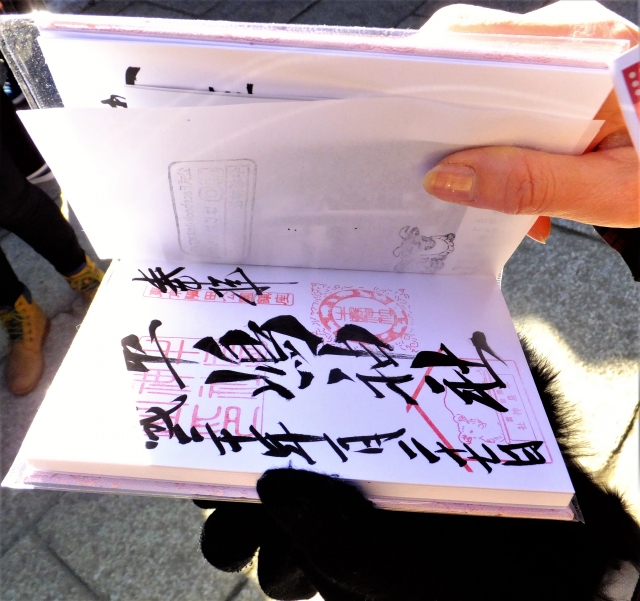
A goshuin is a sacred seal and handwritten inscription given at Japanese shrines and temples as proof of worship.
It is often mistaken for a souvenir stamp, but goshuin grew out of pilgrimage culture and carries religious and cultural meaning.
In this guide, you’ll learn what a goshuin is, where it comes from, and why it still matters today—so you can understand this tradition with respect and confidence.
What Is a Goshuin?
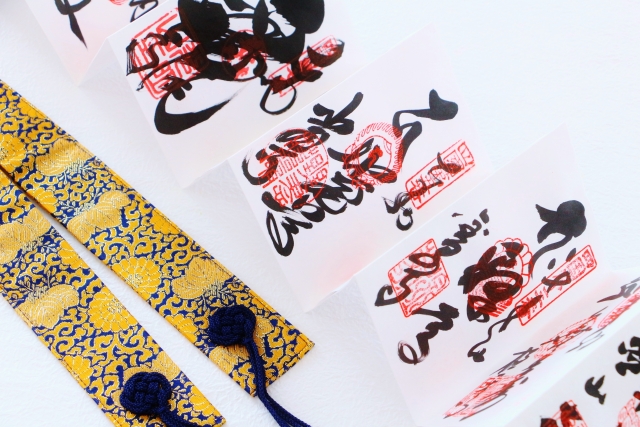
A goshuin is a traditional mark received at shrines and temples after proper worship.
It typically includes:
- Red seals representing the shrine or temple
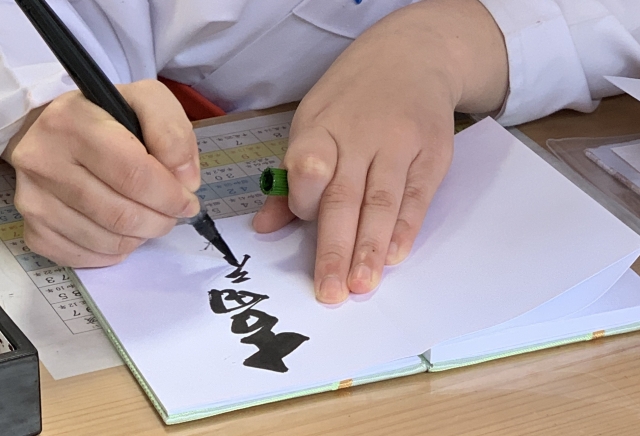
- Black calligraphy handwritten by a priest or attendant
- The date of your visit, written in brush script
A goshuin is not given automatically.
Because it is tied to worship, it should be treated as a spiritual record—not a casual collectible.
In simple terms:
A goshuin is proof that you respectfully visited and worshipped at a sacred place in Japan.
The Origins of Goshuin
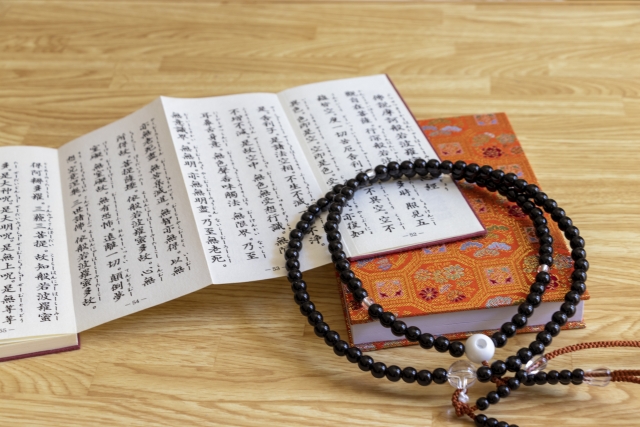
The tradition began in Buddhist temples.
Historically, pilgrims received seals as proof that they had copied or offered Buddhist sutras as part of devotional practice.
Over time, the custom expanded:
- It spread beyond temples
- Shinto shrines adopted goshuin as records of worship
- It became accessible to ordinary travelers, not only religious pilgrims
Even as the practice evolved, the core idea stayed the same:
a physical record of devotion and respect.
Goshuin Are Not Souvenirs or Stamp Rallies

Because goshuin can look decorative, some visitors assume they are similar to travel stamps.
This is a common misunderstanding.
Here are the key points to remember:
- Worship comes first, goshuin second
- Receiving one without proper worship misses the meaning
- Focus on respect, not “collecting as fast as possible”
Many shrines and temples emphasize that goshuin are religious items, not tourist merchandise.
Does a Goshuin Cost Money?
Yes, receiving a goshuin usually involves a small payment.
This is not a fee in the commercial sense.
The payment is considered a religious offering, given in appreciation for the handwritten seal and the sacred space.
In most cases, the amount is:
- Around 300 to 500 yen per goshuin
- Paid politely when requesting the goshuin
Because this money is treated as an offering, visitors should:
- Prepare cash in advance
- Avoid asking for discounts or refunds
- Hand the money over respectfully
Understanding this helps visitors avoid treating goshuin as a paid service and instead approach it as part of a spiritual exchange.
Shrine Goshuin and Temple Goshuin
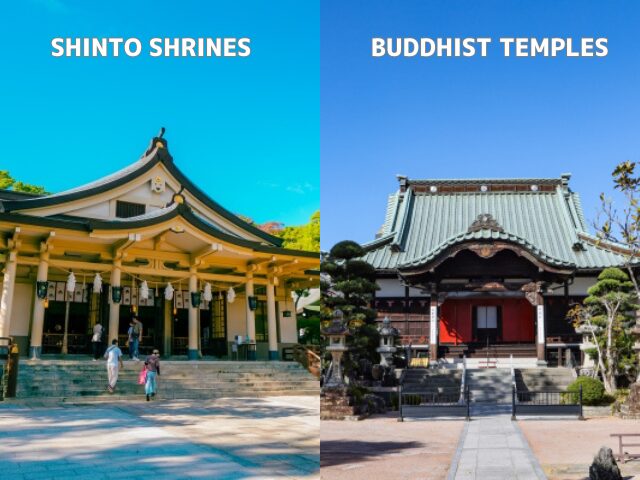
Both Shinto shrines and Buddhist temples offer goshuin.
They reflect different spiritual traditions:
- Shrines focus on kami, the deities of nature and place
- Temples focus on Buddha and Buddhist teachings
The calligraphy style and seals may differ, but the purpose is shared:
to mark a meaningful visit to a sacred site.
(A future article will cover etiquette and practical tips in detail.)
Famous spots to experience this tradition include Meiji Jingu Shrine in Tokyo, Fushimi Inari Taisha in Kyoto, and Todai-ji Temple in Nara. Each location offers a unique goshuin reflecting its history.
Why Goshuin Still Matter in Modern Japan
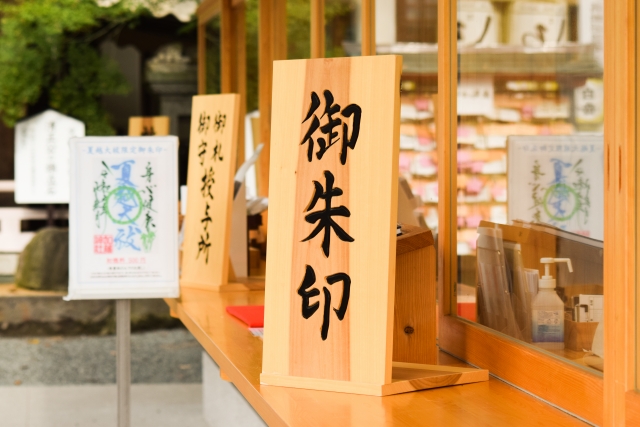
Goshuin continue to matter because they connect everyday travel with living tradition.
They can serve as:
- A personal memory of a sacred visit
- A bridge between history and modern life
- A reminder that respect still matters—even for first-time visitors
Styles may change over time, but the spiritual foundation remains central.
FAQ: Common Questions About Goshuin

Is a goshuin religious?
Yes.
While it has cultural and artistic appeal, a goshuin is rooted in religious practice and should be treated respectfully.
Can non-Japanese visitors receive a goshuin?
Yes.
Anyone may receive one, regardless of nationality or religion, as long as they behave respectfully and follow local guidance.
Do I need to understand Japanese to receive a goshuin?
No.
The process is usually straightforward, and many places are used to international visitors.
Conclusion
A goshuin is more than ink on paper.
It is a living tradition that connects modern visitors with centuries of Japanese spiritual culture.
When you understand what a goshuin truly represents, you can experience shrines and temples with deeper respect and awareness.
Goshuin Series
- Part 1: What Is a Goshuin? (This article)
- Part 2: What Is a Goshuincho? (Coming next)
Related Articles
These guides pair well with goshuin and help you visit sacred sites respectfully:
- Shrine Etiquette in Japan: How to Pray and What to Do
- Temple Etiquette in Japan: A Beginner’s Guide
- Shinto vs Buddhism: Key Differences Explained Simply
- Omamori: Japanese Lucky Charms and Their Meanings
📍 Plan Your Visit
Discover where to experience the traditions mentioned in this article.
- Meiji Jingu Shrine (Tokyo)
Official Website ↗
View on Google Maps ↗ - Fushimi Inari Taisha (Kyoto)
Official Website ↗
View on Google Maps ↗ - Todai-ji Temple (Nara)
Official Website ↗
View on Google Maps ↗

