
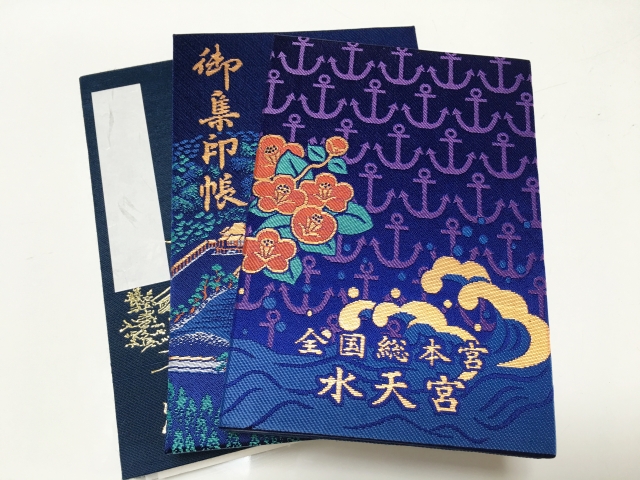
A goshuincho is a special book used to collect goshuin, sacred seals given at Japanese shrines and temples after worship.
At first glance, it may look like a simple notebook.
In reality, a goshuincho plays an important cultural role, helping preserve the meaning and dignity of goshuin as religious records.
This article explains what a goshuincho is, why it exists, and how it is viewed in Japanese spiritual culture, so first-time visitors can understand its purpose clearly.
What Is a Goshuincho?
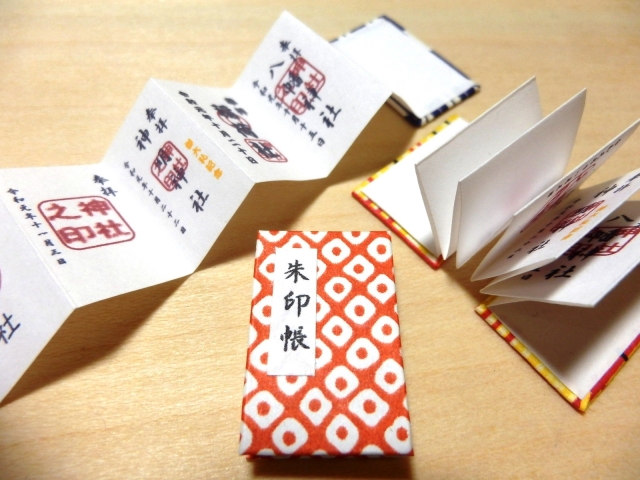
A goshuincho is a dedicated book designed specifically for receiving goshuin.
Unlike ordinary notebooks, it is treated as a respectful container for sacred inscriptions.
Most goshuincho share these features:
- Accordion-style folding pages
- Thick paper suitable for brush and ink
- Covers often decorated with traditional patterns
Each page is intended for one goshuin per visit, allowing the seal and calligraphy to be appreciated as a complete record.
Why Does Japan Use a Special Book for Goshuin?
The use of a dedicated book reflects how goshuin are understood in Japan.
A goshuin is not just a stamp.
It represents:
- A moment of worship
- A connection to a sacred place
- A personal spiritual record
By using a goshuincho, visitors show that they recognize this deeper meaning.
Placing goshuin in random notebooks would blur the line between sacred record and casual souvenir.
The Cultural Role of Goshuincho
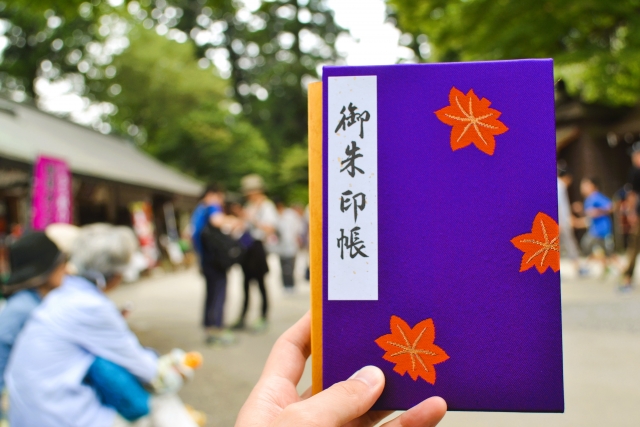
A goshuincho serves as more than simple storage.
Over time, it becomes a quiet chronicle of one’s journey through sacred spaces.
Many people view their goshuincho as:
- A spiritual diary
- A memory of meaningful travels
- An object deserving careful handling and respect
Because of this, goshuincho are often stored carefully at home rather than treated as everyday notebooks.
Shrines, Temples, and Goshuincho
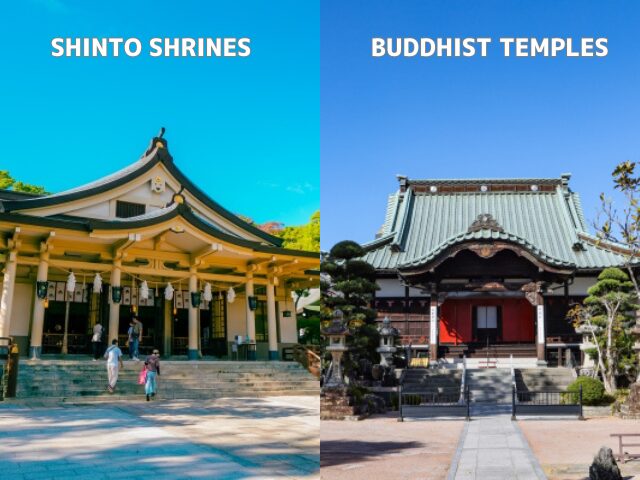
Both shrines and temples accept goshuincho.
Some visitors choose to use:
- One goshuincho for shrines
- A separate goshuincho for temples
Others use a single book for both.
Historically, there was no strict universal rule.
Today, the choice is generally left to personal preference, as long as the book is treated respectfully.
Where Can You Get a Goshuincho?
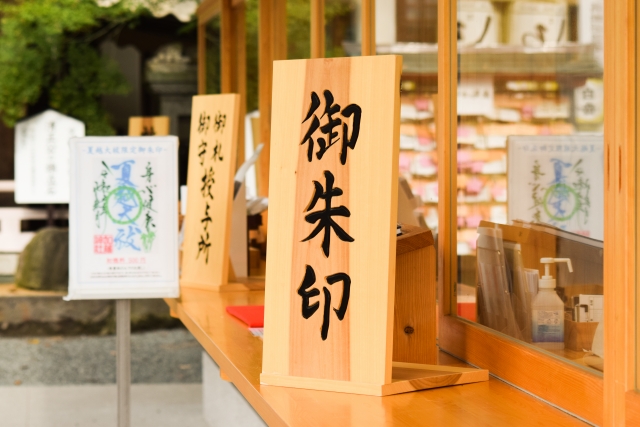
A goshuincho can be obtained at many shrines and temples across Japan.
Common places include:
- Shrines and temples themselves
- Pilgrimage routes and major sacred sites
- Specialty stationery or traditional craft shops
Buying a goshuincho at a shrine or temple is often seen as a meaningful beginning, as the book becomes connected to that sacred place from the start.
"Some shrines, like Suitengu in Tokyo, are famous for their stunning original goshuincho designs. Their navy blue book with embroidered anchors and camellias is a favorite among visitors."
Buying a Goshuincho Online or in Person
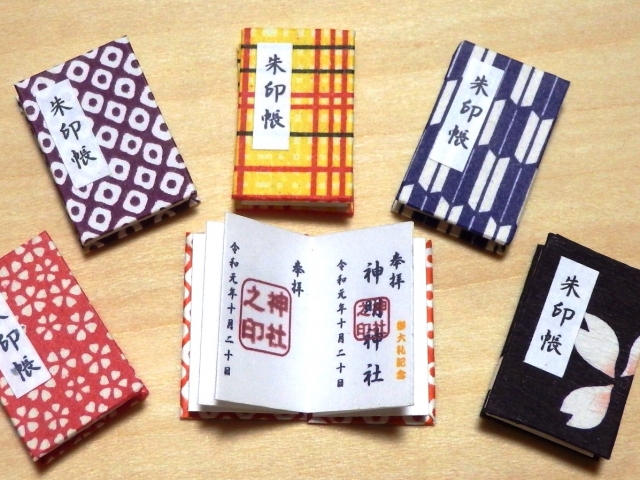
Goshuincho can also be purchased online.
Buying online allows visitors to compare many designs and sizes in advance, which can be helpful for those who want to choose carefully before their trip.
At the same time, many people prefer to buy a goshuincho in person at a shrine or temple.
Seeing the book directly makes it easier to notice details such as:
- The texture of the cover
- The thickness and weight of the book
- Small design differences that are hard to judge online
Some goshuincho are available only at specific shrines or temples.
Because of this, choosing one on-site can feel more closely connected to the place, and many people remember where they bought their goshuincho along with the visit itself.
Size and Format of a Goshuincho

Most goshuincho use an accordion-style format that opens horizontally.
While exact dimensions vary, a typical goshuincho is:
- Easy to hold with both hands
- Compact enough to carry in a bag
- Large enough for brush calligraphy to be fully visible
This balance reflects the cultural idea that sacred records should be handled carefully, but not treated as fragile museum objects.
How to Store and Care for a Goshuincho
Because a goshuincho contains sacred inscriptions, it is usually stored with care.
Common practices include:
- Keeping it in a clean, dry place at home
- Avoiding placing heavy objects on top of it
- Not treating it as an everyday notebook
Many people choose to store their goshuincho respectfully rather than display it casually.
Modern Goshuincho Designs
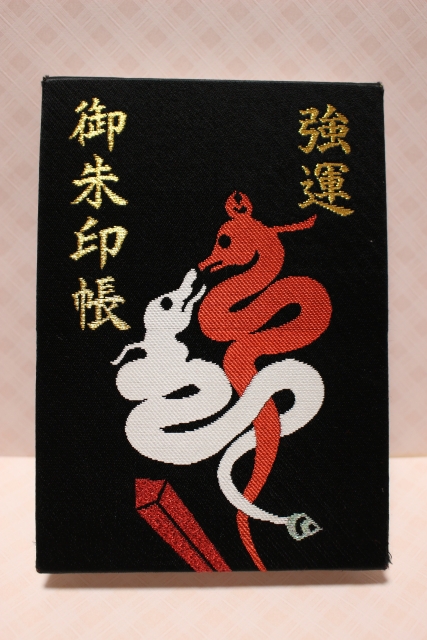
While the role of a goshuincho is traditional, its appearance has evolved.
You may encounter:
- Classic textile-inspired patterns
- Seasonal or nature-based motifs
- Region-specific designs unique to certain areas
Even with modern aesthetics, the purpose remains unchanged.
A goshuincho is still meant to hold sacred records, not decorative stamps.
FAQ: Common Questions About Goshuincho

Is a goshuincho required to receive a goshuin?
Yes, in most cases.
Shrines and temples usually expect visitors to present a goshuincho or accept a separate paper version if available.
Can I use a regular notebook instead?
This is not recommended.
A goshuincho exists to preserve the religious meaning of goshuin and to handle brush ink properly.
Can non-Japanese visitors use a goshuincho?
Yes.
Anyone may use one, regardless of nationality or religion, as long as they follow local guidance and show respect.
Should I bring my goshuincho everywhere?
Only when visiting shrines or temples.
Because it is considered a respectful item, many people avoid carrying it casually.
Conclusion
A goshuincho is not simply a book.
It is a cultural tool that preserves the meaning of goshuin and the spirit of worship behind each visit.
By understanding the role of a goshuincho, visitors can engage with Japan’s sacred places in a more thoughtful and respectful way.
Goshuin Series
- Part 1: What Is a Goshuin? The Meaning Behind Japan’s Sacred Shrine and Temple Seals
- Part 2: What Is a Goshuincho? (This article)
Related Articles
- Shrine Etiquette in Japan: How to Pray and What to Do
- Temple Etiquette in Japan: A Beginner’s Guide
- Shinto vs Buddhism: Key Differences Explained Simply
📖 Where to Buy a Goshuincho
You can purchase your first goshuincho at most major shrines or specialized stationery shops.
- Meiji Jingu Shrine (Original Designs)
Official Website ↗
View on Google Maps ↗ - Kyukodo Ginza (Traditional Stationery)
Official Website (Ginza.jp) ↗
View on Google Maps ↗ - Hands (Wide Variety of Modern Designs)
Official Info (English) ↗
View on Google Maps ↗

