
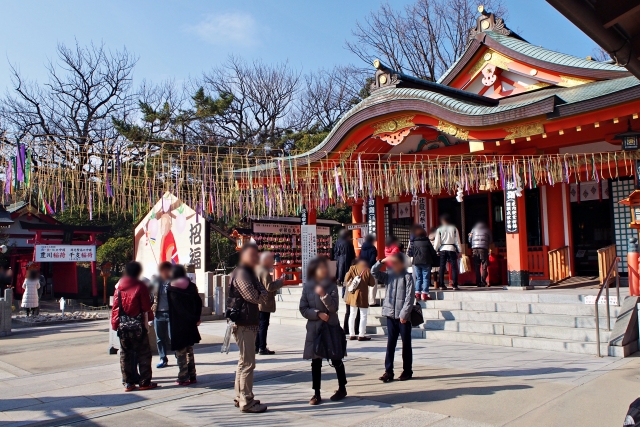
Hatsumode is the Japanese tradition of making the first shrine or temple visit of the New Year.
Rather than a strict religious obligation, hatsumode is a cultural practice centered on gratitude for the past year and quiet reflection on the year ahead.
Understanding hatsumode helps explain why prayer, omikuji, and omamori are so closely associated with the New Year in Japan.
This article explains what hatsumode is, when it takes place, what people typically do during their visit, and what visitors should expect.
What Is Hatsumode?
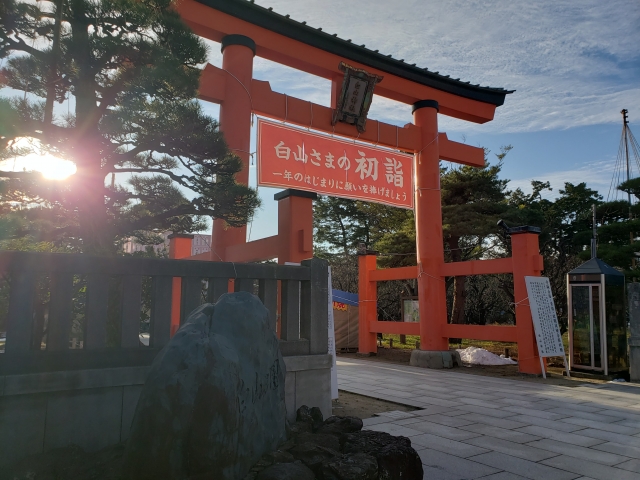
Hatsumode literally means “first visit” and refers to the first visit to a shrine or temple after the New Year begins.
Many people visit to:
- Express gratitude for the previous year
- Pray for health, safety, and good fortune
- Mark a symbolic fresh start
Hatsumode blends spiritual reflection with seasonal tradition, making it one of the most widely observed customs in Japan.
When Does Hatsumode Take Place?
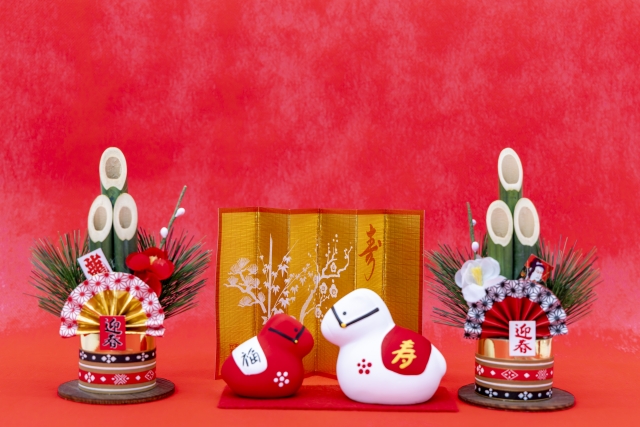
Hatsumode usually takes place between January 1 and January 3.
However, there is no strict rule.
Some people visit later in the first week of January to avoid large crowds.
What matters is the intention to begin the year with a respectful visit.
What People Do During Hatsumode
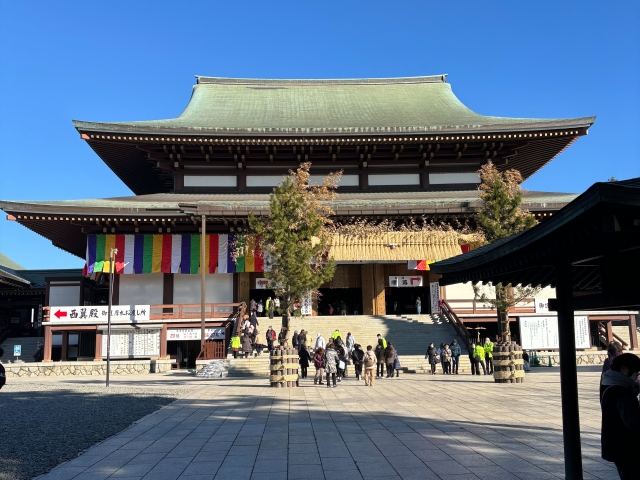
Although details vary by location, a typical hatsumode visit includes several familiar actions.
Praying at the Shrine
Visitors begin by praying at the main hall.
If you are unfamiliar with the process, see this guide:
Prayer during hatsumode often focuses on gratitude first, followed by hopes for the coming year.
Drawing an Omikuj
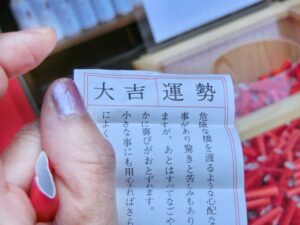
Drawing an omikuji is one of the most popular parts of hatsumode.
Many people enjoy checking their fortune for the year ahead, making it a symbolic way to start the New Year.
For many Japanese visitors, drawing an omikuji feels more closely connected to hatsumode than receiving a goshuin.
Receiving Omamori
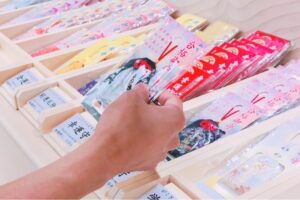
Many people receive new omamori during hatsumode.
These protective amulets are often chosen for health, safety, or success in the coming year.
Old omamori from the previous year are commonly returned to the shrine at this time.
Receiving a Goshuin
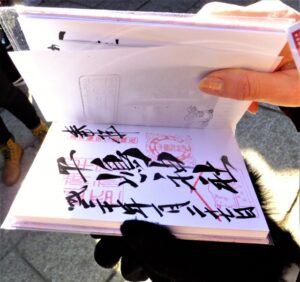
Some visitors choose to receive a goshuin during hatsumode, but this is less common than prayer or omikuji.
Because shrines are often extremely busy, goshuin may be unavailable or provided only in pre-written form.
Receiving a goshuin during hatsumode is optional and not expected.
For details on proper order and etiquette, see:
What to Expect During Hatsumode
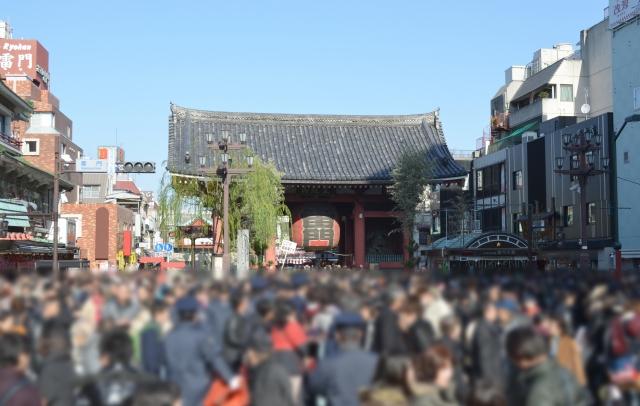
Hatsumode takes place in midwinter, and large crowds are common.
At many shrines, waiting in line to pray is normal.
Visitors often stand outdoors for an extended time, so wearing warm clothing is strongly recommended.
Another practical point is preparing small coins in advance.
Offerings are usually made with coins, and it is common to visit more than one sacred spot within the same shrine grounds.
For example, a single shrine complex may include smaller Inari shrines or halls dedicated to deities such as Daikokuten.
In these cases, visitors may need to make offerings multiple times.
During the New Year period, crowds are expected at almost any time of day.
Even late at night or early in the morning, popular shrines are often busy.
Patience and calm awareness are considered part of the hatsumode experience.
The Atmosphere of Hatsumode
While famous spots like Meiji Jingu in Tokyo attract millions, you can find a unique and historic atmosphere at other major sites as well.
For a truly traditional experience, many visitors also head to Tsurugaoka Hachimangu in Kamakura or Sumiyoshi Taisha in Osaka, which are famous for their stunning architecture and vibrant New Year spirit.
Unlike a quiet visit at other times of the year, hatsumode often has a lively and festive atmosphere.
You may notice:
- Food stalls near large shrines
- Families and friends visiting together
- Long lines at popular locations
Despite the crowds, the core purpose remains the same: beginning the year with respect and reflection.
Basic Etiquette for Visitors

- Pray before requesting a goshuin
- Prepare offerings in advance
- Follow shrine etiquette calmly, even in crowds
- Be patient and respectful toward others
- Observe posted signs regarding photography
Even during busy periods, quiet awareness is appreciated.
Common Misconceptions About Hatsumode

Is hatsumode only for religious people?
No.
Many people participate as a cultural tradition rather than a religious obligation.
Do I have to go on January 1?
No.
Any visit early in the New Year is generally considered hatsumode.
Can tourists take part in hatsumode?
Yes.
Visitors are welcome as long as they follow basic etiquette and show respect.
Conclusion
Hatsumode is a gentle way to mark the beginning of a new year in Japan.
For many people, it is less about strict rules and more about pausing, offering thanks, and setting intentions for the year ahead.
Understanding what typically happens during hatsumode—from prayer and omikuji to crowds and winter weather—allows visitors to take part with calm awareness and respect.
Related Articles
- How to Pray at a Shinto Shrine in Japan
- How to Receive a Goshuin in Japan
- What Is a Goshuincho?
- Omamori: Japanese Lucky Charms and Their Meanings
📍 Plan Your Hatsumode
Here are the most iconic spots in Japan to experience the traditional first shrine visit of the year.
- Meiji Jingu Shrine (Tokyo)
Official Website ↗
View on Google Maps ↗ - Senso-ji Temple (Asakusa, Tokyo)
Official Website ↗
View on Google Maps ↗ - Fushimi Inari Taisha (Kyoto)
Official Website ↗
View on Google Maps ↗ - Tsurugaoka Hachimangu (Kamakura)
Official Website ↗
View on Google Maps ↗ - Sumiyoshi Taisha (Osaka)
Official Website ↗
View on Google Maps ↗

