
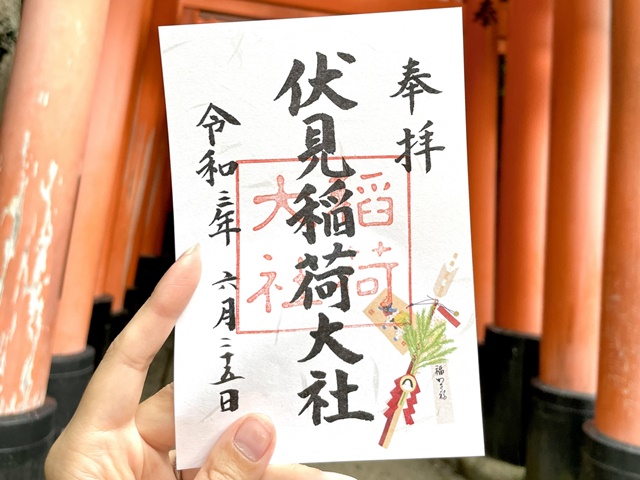
Receiving a goshuin is a traditional practice in Japan that records your visit to a shrine or temple through calligraphy and a sacred seal.
A goshuin is not simply something to collect.
It is given after worship and reflects respect for the sacred place you have visited.
This guide explains the correct order for receiving a goshuin, proper etiquette to follow, and common mistakes visitors should avoid.
What Is a Goshuin?
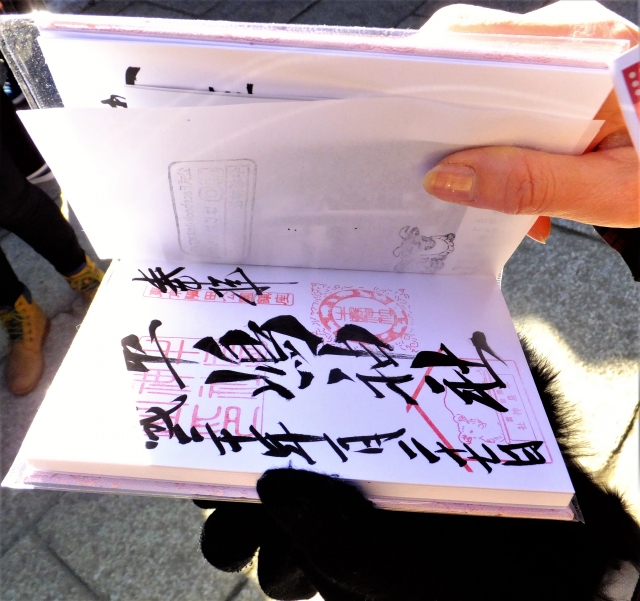
A goshuin is a sacred seal and handwritten inscription offered at Japanese shrines and temples.
It serves as a record of worship rather than a souvenir.
Because of this, the way a goshuin is received matters.
Step 1: Pray Before Requesting a Goshuin

The most important rule is simple.
Always pray first.
A goshuin is given as proof that you have visited and offered worship.
Requesting one before praying is generally considered improper.
If you are unsure how to pray correctly, see this guide:
Step 2: Find the Goshuin Counter
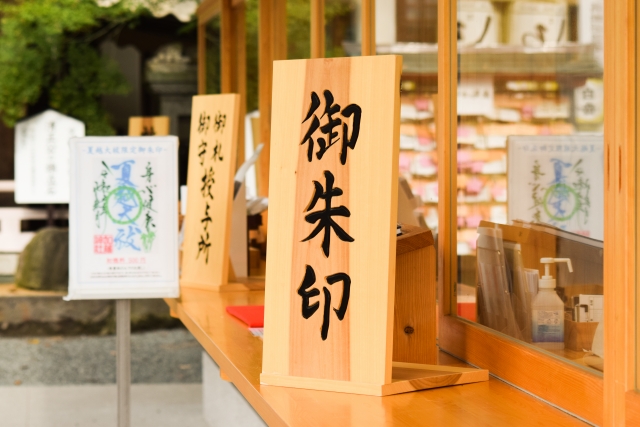
After praying, look for the place where goshuin are given.
This area may be labeled as:
- Goshuin-jo
- Nokyo-jo
- Shrine or temple office
Signs are often written in Japanese, but staff members are usually accustomed to visitors.
Step 3: Present Your Goshuincho Properly
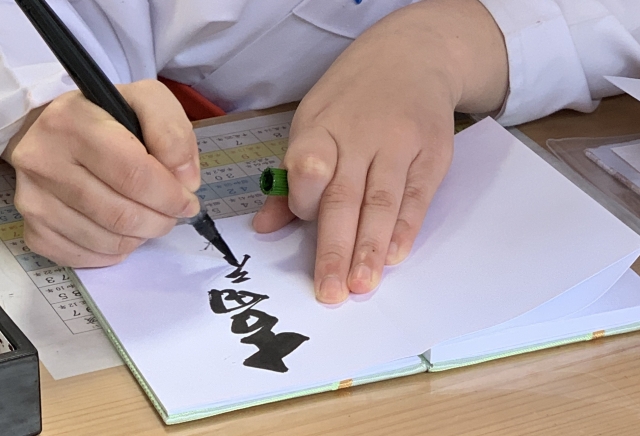
A goshuin is normally written directly into a goshuincho, a special book made for this purpose.
When handing it over:
- Open the book to a blank page
- Place it gently on the counter
- Avoid pointing or speaking loudly
If you do not have a goshuincho, some shrines offer goshuin on a separate sheet of paper.
Step 4: Pay the Offering Fee
Receiving a goshuin usually requires a small offering.
The amount is typically between 300 and 500 yen, depending on the shrine or temple.
This payment is not a service fee.
It is an offering given in appreciation for the sacred inscription.
Written Goshuin and Pre-Written Goshuin
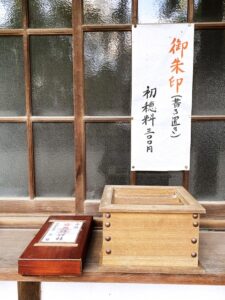
Pre-Written Goshuin
Traditionally, goshuin are handwritten on the spot.
However, during busy periods or special events, you may receive a pre-written goshuin.
This does not make it less meaningful.
It reflects practical considerations while maintaining respect for the tradition.
When You May Not Be Able to Receive a Goshuin
 There are situations where a goshuin may not be available.
- Outside designated hours
- During extreme crowding
- At shrines that do not offer goshuin
If a goshuin is unavailable, accept the situation calmly.
The act of worship itself remains the most important part of the visit.
Common Mistakes to Avoid

- Asking for a goshuin before praying
- Treating the goshuin counter like a shop
- Handing over a closed goshuincho
- Forcing staff to rush during busy times
- Collecting goshuin without understanding their meaning
A calm and respectful attitude is always appreciated.
FAQ: Receiving a Goshuin

Do I need a goshuincho?
In most cases, yes.
A goshuincho helps preserve the sacred calligraphy and shows respect for the tradition.
Can non-Japanese visitors receive a goshuin?
Yes.
Anyone may receive a goshuin, regardless of nationality or religion, as long as proper etiquette is followed.
Is it rude to collect many goshuin?
Not necessarily.
What matters is intention.
Receiving goshuin respectfully, one visit at a time, aligns with the spirit of the practice.
Conclusion
Receiving a goshuin is a quiet extension of worship.
By following the proper order and etiquette, visitors can engage with this tradition in a meaningful and respectful way.
Understanding that a goshuin comes after prayer helps preserve its role as a sacred record rather than a simple collectible.

