Why “YUNOMI”?

The name comes from the casual phrase “you know mean?” — something people say when sharing small stories. It sounds just like yunomi (a Japanese teacup), which also represents warmth and everyday life. That’s exactly what this blog is about: sharing small, warm moments of Japanese culture that make you say, “Ah, I get it now.” Written by YUNOMI A Japanese writer sharing firsthand insights into Japanese daily life, culture, and seasonal traditions.

The Ultimate Guide to Storing Tea Leaves: Keep Your Tea Fresh and Flavorful

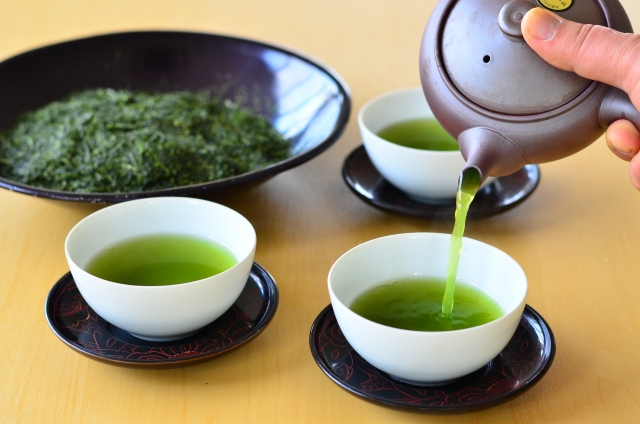
Tea leaves are delicate and can easily lose their flavor and aroma if not stored properly. Factors like heat, humidity, light, and even odors can cause tea to degrade quickly. In this guide, we'll explore the best practices for storing both unopened and opened tea leaves, how to prevent common causes of deterioration, and tips for adjusting your storage methods based on the season and environment. With the right approach, you can enjoy your tea at its freshest for a longer time. 1. How to Store Unopened Tea Leaves Unopened tea leaves are typically packed with nitrogen gas or oxygen ...

Chopstick Etiquette: 13 Common Taboos Adults Should Avoid

Understanding chopstick etiquette is essential for respecting Japanese culture and ensuring a pleasant dining experience. In Japan, using chopsticks correctly goes beyond basic manners—it reflects your awareness, upbringing, and respect toward others at the table. Here are 13 common chopstick taboos, known as “kiraibashi”, that adults should be especially mindful of.   1. Reversing Chopsticks (Kaeshi-bashi) When serving from a shared dish, some people reverse their chopsticks to avoid using the end that touched their mouth. However, this means using the part your hands touched, which is unhygienic. Additionally, the now-soiled tips are used again to eat, which looks unpleasant ...

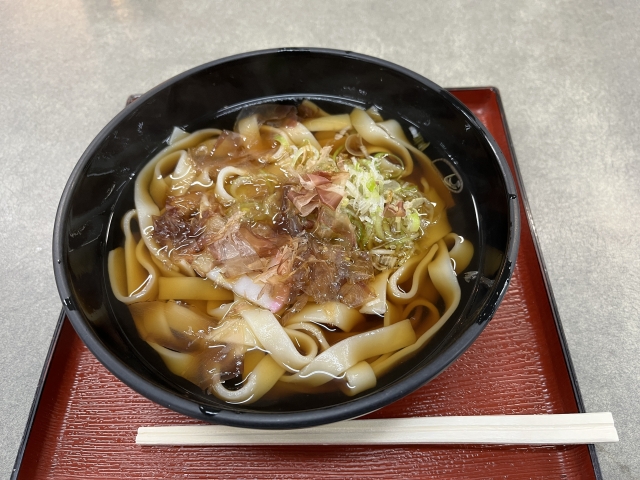
The Appeal of Kishimen: Nagoya's Tradition and Unique Flavor

Kishimen is a traditional flat udon noodle widely enjoyed in Nagoya, Aichi Prefecture. Known for its broad and flat shape, Kishimen offers a distinct texture and slurping experience compared to regular udon. It is a beloved dish that represents Nagoya's food culture, cherished by both locals and visitors alike. In this article, we explore the unique characteristics and deep flavors of Kishimen.   The Unique Shape and Texture of Kishimen One of the most distinguishing features of Kishimen is its broad and flat shape. Unlike regular udon, Kishimen has a larger surface area, allowing the broth and dashi to cling ...

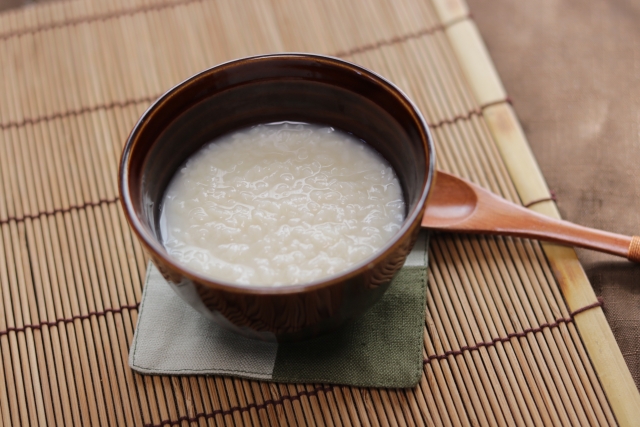
Amazake: Japan’s Sweet Fermented Drink of Comfort and Tradition

Amazake is a traditional Japanese drink with a naturally sweet, creamy taste and a gentle warmth. Despite its name—literally “sweet sake”—amazake is often alcohol-free and enjoyed by children and adults alike. What Is Amazake? Amazake is a fermented rice drink whose texture ranges from smooth and silky to thick and grainy depending on the recipe. It is usually served warm in winter and is considered one of Japan’s oldest comfort drinks, with roots traced back to the Nara period.   Two Types: Koji Amazake vs. Sake Lees Amazake Koji Amazake Made by fermenting steamed rice with rice koji (麹), a ...

Discovering the World of Ninja: The Mysterious Warriors of Japan

A ninja, also known as shinobi, refers to spies and assassins who operated secretly in Japan's historical periods. Predominantly active from the medieval era through the Edo period, ninjas were deeply rooted in Japan's history and culture. Their presence was especially significant during the Sengoku period (late 15th to early 17th century), a time of intense conflict among warlords vying for power. The primary tasks of ninjas included gathering intelligence, conducting sabotage, and assassinating key figures. Unlike samurai, ninjas had to operate in secrecy, mastering the arts of stealth and disguise to carry out their missions effectively.   The Training ...

The Difficulties Of Learning The Japanese Language

It has been said that Japanese is difficult to learn, but perhaps not as difficult as you would think. Whilst it may take a while to come to terms with the huge differences between Japanese and English, the spoken language is actually pretty simple, and the written language can be learned very successfully with a little hard work and logical planning. Obviously more difficult than most European languages, but probably easier than other "exotic languages", the lack of tones is a blessing for westerners.   The Japanese Language Is Not Difficult...? If looked at from a linguistic point of view, ...

Should You Climb Mount Fuji? What to Know Before You Decide

At 3,776 meters, Mount Fuji (富士山) is Japan’s highest peak and one of its most iconic symbols. Every summer, thousands of hikers from around the world set out to climb it—some chasing the dream of sunrise above a sea of clouds, others simply ticking off a bucket-list goal. But here’s the truth: climbing Mount Fuji is not easy. It’s a demanding overnight ascent that tests your fitness, gear, and judgment. This guide is designed to help you decide—honestly—whether you should climb, and what it really takes to do it safely.   Official Season and Crowds The official season runs from ...

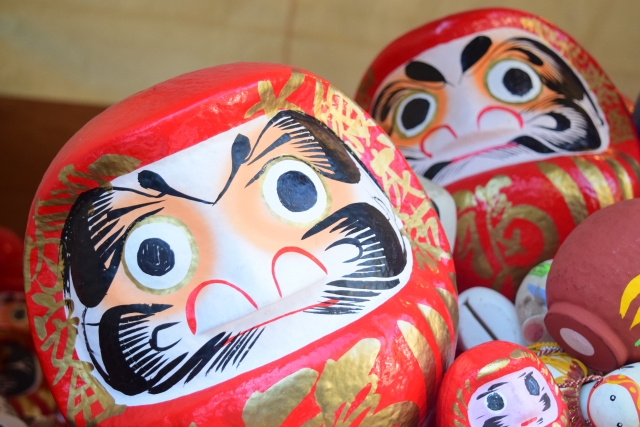
Daruma Doll: Meaning, Colors, and the Japanese Good Luck Ritual

The Daruma doll is one of Japan’s most famous lucky charms.Round, hollow, and weighted at the bottom, this figure is modeled after Bodhidharma—the founder of Zen Buddhism. Far more than a souvenir, the Daruma symbolizes perseverance, determination, and hope.Its blank eyes and bold colors make it both a cultural icon and a tool for setting personal goals. A Brief History and Legends Bodhidharma was a Buddhist monk who lived during the 5th–6th century AD.He is traditionally credited as the transmitter of Ch’an (Zen) to China. Little is known about his life, but over time many legends emerged: Nine years of ...

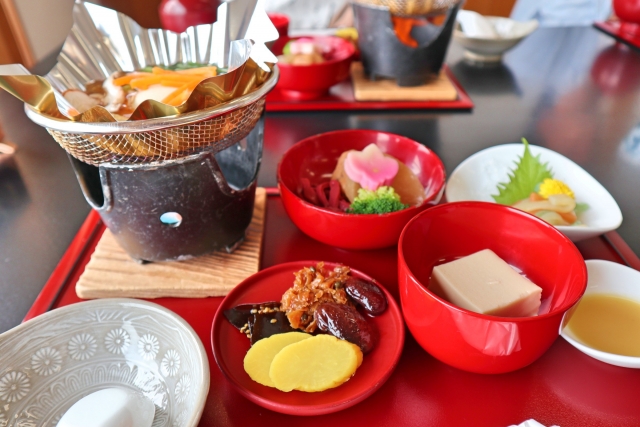
Shojin-Ryori: Japan’s Buddhist Vegan Cuisine of Balance and Mindfulness

Shojin-ryori is Japan’s traditional Buddhist cuisine, created for monks and based on non-violence, balance, and mindfulness. It avoids meat, fish, and pungent ingredients, using vegetables, tofu, and simple seasonings instead. Many of its dishes quietly shaped everyday Japanese home cooking, so understanding shojin-ryori also reveals the roots of Japanese food culture.   What Is Shojin-Ryori? Shojin-ryori is a plant-based Buddhist cuisine in Japan that focuses on purity, harmony, and appreciation for all life. It developed in Zen temples as the daily food of monks and is closely connected to spiritual practice rather than luxury or entertainment. Its foundations include: Non-violence ...

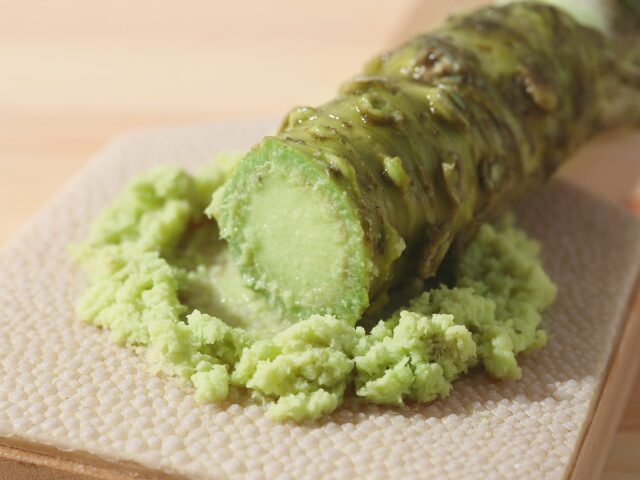
What is wasabi? Freshly grated hon-wasabi rhizome on a traditional grater

What Is Wasabi? Real vs Fake Wasabi and Why Japan Uses It with Sushi

Most "wasabi" served around the world — and often even in Japan — is not freshly grated real wasabi.What many people recognize as wasabi is usually a horseradish-based paste made to imitate the sharp heat and green color of Japan's native wasabi plant. But this does not mean everyday wasabi is simply fake or wrong. In Japan, freshly grated hon-wasabi and convenient tube wasabi exist side by side because they serve different purposes.Fresh wasabi shows the craft side of Japanese food culture: timing, aroma, restraint, and careful pairing with ingredients. Tube wasabi shows the practical side: affordability, convenience, and everyday ...