What Are Energy Drinks in Japan?
In Japan, the term energy drink refers to two related but historically different products: traditional nutritional tonics sold in small glass bottles and modern carbonated energy drinks similar to Western brands.
The traditional version is called eiyo dorinku (nutritional drink) — a small bottled tonic formulated to help the body recover from fatigue.
Modern energy drinks, by contrast, are carbonated beverages similar to Western brands such as Red Bull or Monster. In Japanese convenience stores, both types often share the same shelves.
Common Ingredients in Japanese Nutritional Drinks
Japanese nutritional drinks are formulated with a blend of functional ingredients intended to support fatigue recovery, with taurine typically serving as the most prominently advertised component.
- Taurine – associated with fatigue recovery
- Vitamin B complex – helps convert nutrients into energy
- Caffeine – mild stimulation
- Herbal extracts – such as ginseng or royal jelly
Together, these ingredients give many nutritional drinks their distinctive flavor — sweet, but with a slightly medicinal edge.
Why Taurine Became the Key Ingredient
Taurine became strongly associated with Japanese nutritional drinks during the 1960s, when pharmaceutical companies began promoting taurine-based formulas for fatigue recovery.
Many of these products were regulated as quasi-drugs rather than ordinary beverages, which allowed companies to position them as functional health tonics rather than simple soft drinks.
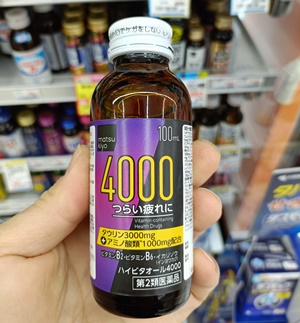
This regulatory framework also shaped how they were packaged. Bottles frequently carried bold declarations such as "Taurine 1000 mg" or "Taurine 2000 mg," emphasizing function over flavor.
Despite the emphasis on taurine, it is not the only active ingredient. Most nutritional drinks combine several components designed to support the body in different ways.
Caffeine provides mild stimulation, B vitamins help the body convert nutrients into usable energy, and herbal extracts such as ginseng or royal jelly are often included for their traditional association with vitality and recovery.
Taurine became the most prominently advertised ingredient largely because it was easy to quantify. Labels highlighting “Taurine 1000 mg” or “Taurine 2000 mg” offered a simple numerical signal of potency, even though the drink's overall effect comes from the combination of ingredients rather than taurine alone.
Why Do Japanese Nutritional Drinks Taste Like Medicine?

Small bottles are designed to be consumed quickly, like a medicinal tonic.
Many visitors are surprised by the flavor. Compared with Western energy drinks, Japanese nutritional drinks often taste more like medicine than soda.
The combination of vitamins, taurine, caffeine, and herbal extracts produces something sweet but faintly medicinal — a drink built for function rather than flavor.
There is a well-known saying in Japan: "Good medicine tastes bitter." It reflects a cultural belief that something slightly unpleasant may also be genuinely effective.
Interestingly, these drinks could easily be reformulated to taste more like ordinary soft drinks. The fact that many retain that medicinal quality may be partly intentional — the taste itself can reinforce the sense that the drink is actually doing something for the body.
Why Are Japanese Nutritional Drinks So Small?

Nutritional drinks became closely associated with Japan’s salaryman work culture.
Most Japanese nutritional drinks contain only around 100 milliliters. Their small size reflects their origins as concentrated supplements rather than casual beverages.
Rather than sipping them slowly like a soda, people typically crack open the bottle and down it in a single gulp.
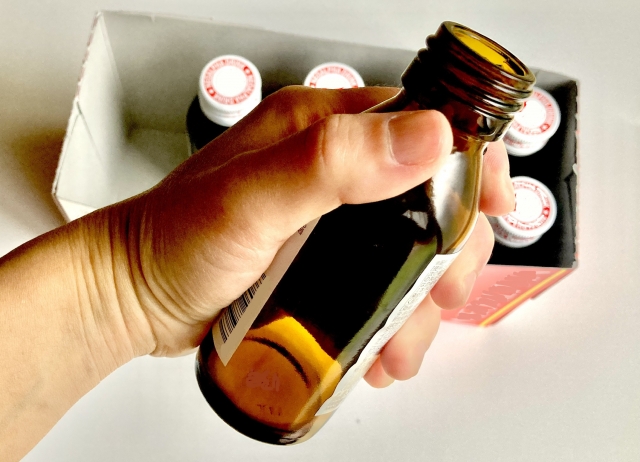
Another distinctive feature is the color of the bottles. Most nutritional drinks are sold in small brown glass bottles rather than clear ones.
Part of the reason is practical. Dark glass helps protect sensitive ingredients such as vitamins from ultraviolet light, helping maintain product stability.
But the choice is also cultural and visual. The brown glass and gold caps resemble pharmaceutical packaging, reinforcing the idea that the drink is a functional tonic rather than an ordinary soft drink.
Together with the small bottle size, the design encourages a particular ritual: open the cap, drink it in one quick gulp, and return to work.
A Shelf Full of Small Bottles
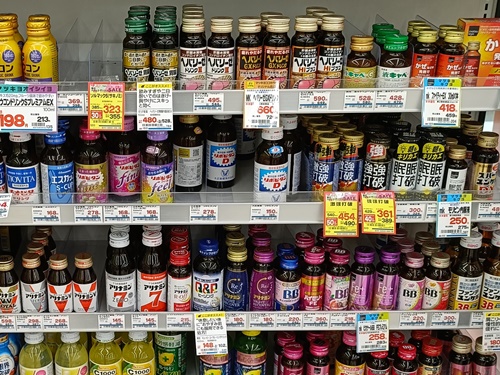
Drugstores in Japan often carry dozens of different nutritional drink brands.
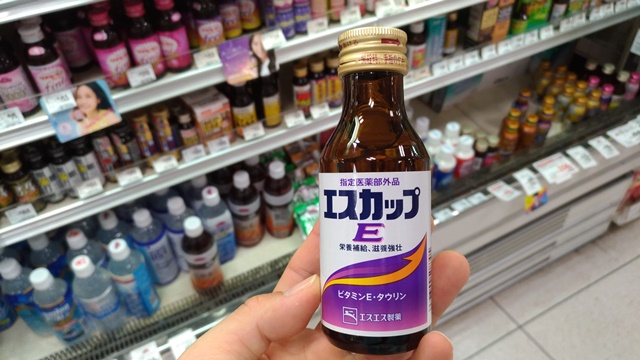
In Japanese convenience stores, nutritional drinks are usually grouped together in a dedicated section — rows upon rows of nearly identical small brown glass bottles with gold caps.
For visitors, the display can feel a little disorienting: dozens of bottles that all look alike, each promising energy, recovery, or stamina.
The packaging reflects their medicinal roots. Rather than colorful cans, the design echoes pharmaceutical bottles, reinforcing their identity as functional health drinks rather than lifestyle beverages.
Nutritional Drinks vs. Western Energy Drinks

In most Western countries, energy drinks are caffeinated soft drinks sold through the imagery of sports, nightlife, or gaming culture.
Japanese nutritional drinks developed with a different purpose in mind: helping workers endure fatigue during long, demanding workdays.
In that sense, they are less about excitement or lifestyle branding and more about endurance, recovery, and the quiet confidence of being able to keep going.
The Cultural Background: Japan's Work Culture
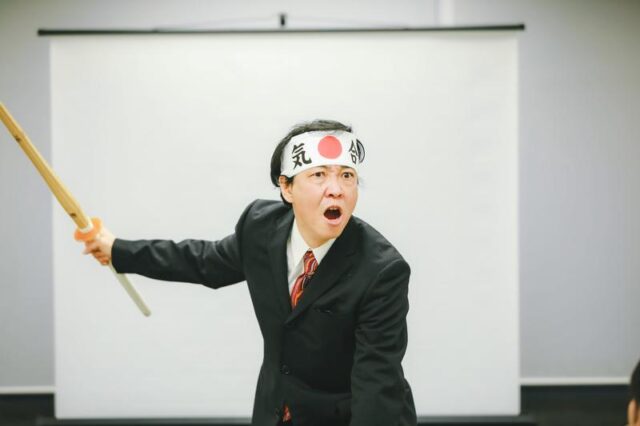
Energy drinks became popular during Japan’s postwar economic boom.
The popularity of nutritional drinks is deeply tied to Japan's postwar economic boom. Through the 1960s into the 1980s, the image of the tireless "salaryman" — dedicated to company and country above all — became a defining symbol of the era.
Long hours, persistence, and seeing the task through were highly valued. In that environment, a small bottle of tonic fit naturally into the rhythm of daily working life.
"Can You Fight for 24 Hours?" — The Salaryman Era
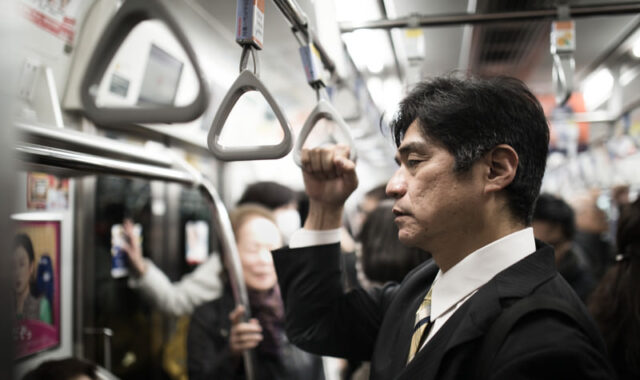
Long commutes and demanding work schedules helped fuel the popularity of nutritional drinks.
Another famous slogan from Japan's economic boom era was the line “24時間戦えますか?” (Can you fight for 24 hours?).
This phrase appeared in advertisements for the nutritional drink Regain during the late 1980s. The commercial depicted tireless workers traveling across time zones and pushing through exhaustion with the help of the drink.
The slogan captured the spirit of Japan's high-growth period, when long hours and unwavering dedication to one's company were widely seen as virtues.
Today the phrase is often remembered with a mix of nostalgia and irony. Modern discussions about work-life balance and overwork have made the slogan feel like a symbol of a very different era.
The Famous "Fight! Ippatsu!" Commercial
One of the most enduring symbols of Japan's nutritional drink culture is the catchphrase "Fight! Ippatsu!" from Lipovitan D commercials.
In these advertisements, workers cooperate to overcome physically demanding or dangerous situations. Just as one person is about to give out, their companion thrusts a bottle of Lipovitan D at them and shouts the rallying cry.
The phrase roughly translates as "Give it everything you've got!" and became closely associated with the spirit of perseverance during Japan's years of rapid economic growth.
Energy Drinks on Office Desks

During Japan's high-growth decades, nutritional drinks were a common sight in workplaces. It was perfectly normal for a colleague or supervisor to quietly set a small bottle of Lipovitan D on someone's desk during a busy stretch.
Rather than suggesting they should take a break, the gesture carried a different message entirely: drink this and carry on.
Today that practice has largely faded. In a modern workplace, leaving a nutritional drink on someone's desk might actually be read as pressure to keep pushing — which could be seen as inappropriate, or even a form of workplace harassment.
Nutritional Drinks in Vending Machines
Nutritional drinks are also a familiar presence in Japan's ubiquitous vending machines.
A single machine might offer bottled tea, cola, canned coffee, mineral water, and a row of small tonic bottles all at once. Some machines even sell hot cans of corn potage — a creamy corn soup with sweet corn kernels floating inside.
Japan's vending machines often function as miniature convenience stores, offering a surprising variety of drinks in a very small space.
For visitors, seeing a medicinal-style tonic bottle sitting alongside a Coca-Cola can can feel quietly surreal. In Japan, it barely warrants a second glance.
Famous Japanese Nutritional Drinks
Lipovitan D
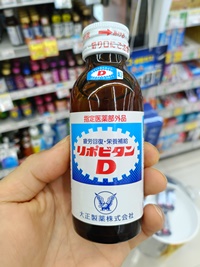
Lipovitan D is the most iconic nutritional drink in Japan and has been widely consumed since the 1960s. Its catchphrase “Fight! Ippatsu!” remains famous even today.
Chiovita Drink
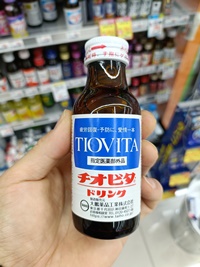
Chiovita Drink is often seen as a more affordable everyday alternative. It offers a similar image of dependable fatigue support at a lower price point.
Alinamin V
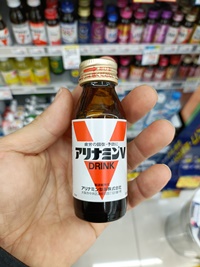
Alinamin V is known for its stronger taste and slightly more intense stimulation. Many people choose it when they want a more noticeable boost.
Yunker
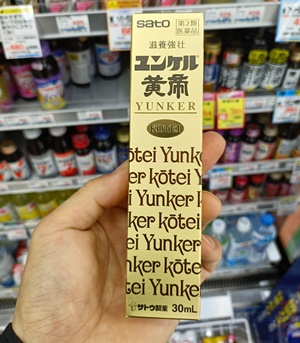
Yunker occupies a premium position among Japanese nutritional drinks. Unlike everyday tonics, it is often associated with times when people feel seriously exhausted or slightly ill.
Many people buy Yunker at pharmacies rather than convenience stores, sometimes together with cold medicine. Because of its higher price and more medicinal image, it is often seen as a “last resort” tonic rather than a daily drink.
The Curious Case of Oronamin C
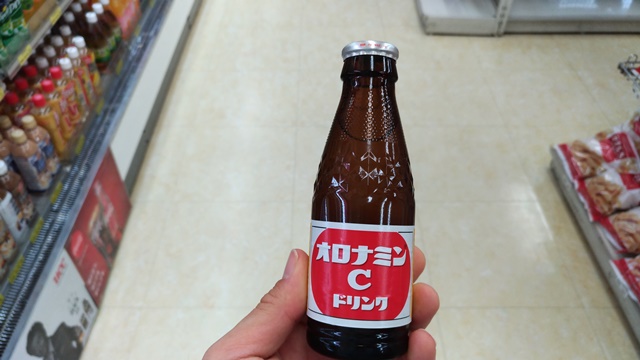
Oronamin C holds a somewhat unique position in Japan's drink culture. Technically it is a carbonated soft drink rather than a nutritional tonic — yet many people still associate it with a light energy boost, placing it in the blurry territory between tonic drink and fizzy soda.
The Rise of Modern Energy Drinks
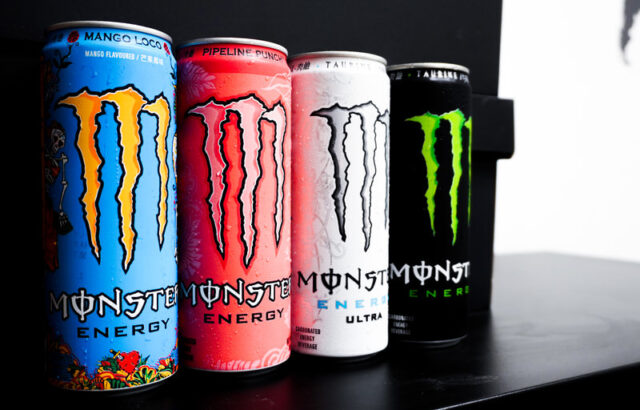
In recent years, Western-style energy drinks such as Monster Energy and Red Bull have found a growing audience among younger consumers in Japan.
While traditional nutritional drinks remain widely available, the rise of modern energy drinks reflects a broader shift toward global beverage culture and a different vision of what "energy" looks and tastes like.
Conclusion
Energy drinks in Japan speak to something deeper than hydration or caffeine. Traditional nutritional drinks embody a culture shaped by perseverance, responsibility, and the ethic of pushing through fatigue to see things through to the end.
At the same time, the growing popularity of modern energy drinks shows how younger generations are rewriting the rules around how they recharge — and what that recharging is supposed to feel like.
Author’s Note

In Japan, most people have tried a nutritional drink at least once during a particularly hectic stretch of work or study. Whether they produce any measurable physical effect is genuinely difficult to say — and many people would probably admit the results are hard to pin down.
For many, the most significant impact may simply be psychological. Drinking one can feel like flipping a mental switch — a small, deliberate ritual that says: Alright. I can keep going.
Frequently Asked Questions

Are energy drinks popular in Japan?
Yes. Both traditional nutritional drinks and modern energy drinks are widely available in convenience stores, pharmacies, and vending machines throughout the country.
What is the difference between Japanese nutritional drinks and Western energy drinks?
Japanese nutritional drinks are small bottled tonics associated with fatigue recovery, while Western-style energy drinks are larger canned beverages typically marketed through sports or entertainment culture.
Why do Japanese nutritional drinks taste like medicine?
Their flavor comes from ingredients such as taurine, vitamins, caffeine, and herbal extracts. In Japan, that slightly medicinal taste can itself reinforce the sense that the drink is doing something useful.
Why are Japanese nutritional drinks so small?
They were developed as concentrated supplements rather than casual beverages, so they are sold in small bottles and typically consumed in one go.
What is the most famous Japanese nutritional drink?
Lipovitan D is probably the most iconic, with a history stretching back to the 1960s.
Is Oronamin C a nutritional drink?
Not exactly. Oronamin C is technically a carbonated soft drink, but many Japanese consumers still associate it with a mild energy boost.
Do Japanese energy drinks actually work?
That is genuinely hard to measure. While they contain ingredients like taurine, caffeine, and vitamins that may help reduce fatigue, many people say the most noticeable effect is psychological.
For some, drinking a nutritional tonic acts as a kind of mental reset — a small ritual that signals it is time to focus and push through whatever remains.

