A genkan is not just an entryway. It is a transition space. In Japanese homes, the genkan marks a clear boundary between the outside world and the clean interior.
Removing shoes here is more than etiquette—it is a small ritual that signals a shift from public to private life.
Understanding genkan reveals how Japanese homes use space to shape behavior, cleanliness, and respect.
Part of the Japanese Home & Interior Culture cluster.
What Is a Genkan?
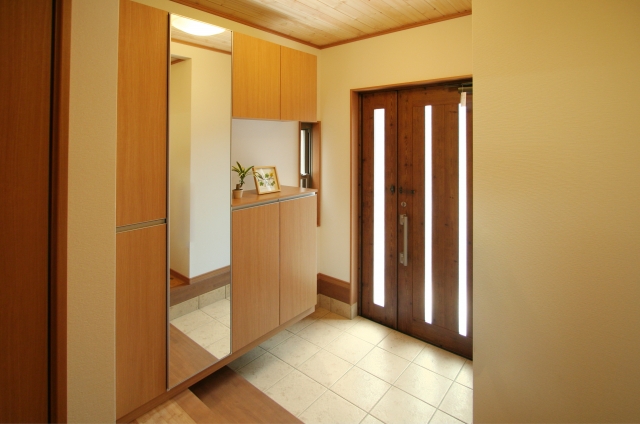
The genkan is the recessed entry space found in most Japanese homes. It functions as a boundary between outside and inside—often marked by a step up (a change in floor height) that separates the shoe area from the raised interior floor.
Architecturally small, the genkan carries cultural weight. It is the place where you pause, adjust, and enter the home in a different state.
Genkan as a Transition Space
In many cultures, the front door is a simple point of entry. In Japan, the genkan is designed as a moment of transition. You leave the outside world at the threshold—its dirt, noise, and social mode—and step into a protected interior.
This is why the genkan often feels like a “switch.” Even before speaking, your body is guided into a slower, more mindful rhythm.
Why Shoes Come Off Here
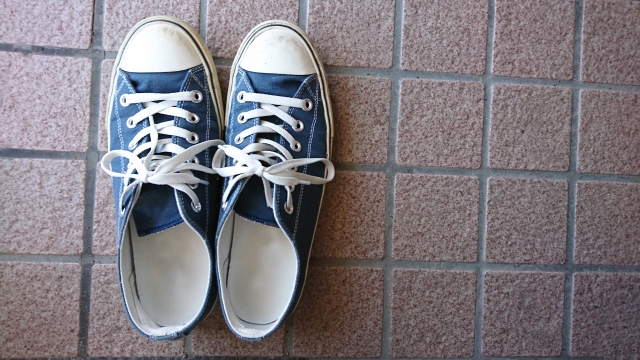
Removing shoes in Japan is often explained as hygiene, but in home culture it also expresses a deeper logic:
- Boundary: shoes represent “outside,” and leaving them in the genkan marks where outside ends.
- Respect: stepping onto interior floors with outdoor shoes is treated as bringing the outside into the home.
- Floor culture: when people sit or sleep close to the floor—especially on tatami—clean floors matter more than in chair-based living.
In other words, shoe removal is not just a rule. It is a ritual that makes inside feel like inside.
→ For a deeper explanation of the ritual itself: Why Do Japanese People Take Off Their Shoes?
How to Use a Genkan (Simple, Polite Flow)
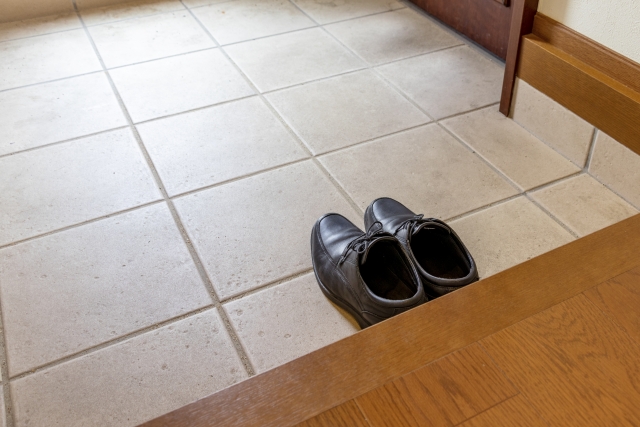
- Step into the genkan area (the lower floor).
- Remove your shoes while facing inward.
- Turn your shoes to face the door (a small gesture of neatness).
- Step up into the home in socks or indoor slippers.
This neat flow is part of what makes the boundary feel clear and orderly.
Zones Inside the Home: Slippers, Socks, and Tatami

Crossing the genkan often includes switching footwear to match indoor zones.
Japanese homes often use footwear to manage “zones”:
- Socks or indoor slippers for general indoor areas
- Toilet slippers for the bathroom (a separate zone)
- No slippers on tatami—tatami is treated as a living surface
These rules are less about formality and more about maintaining clear boundaries within the home.
Genkan as a Welcome Space
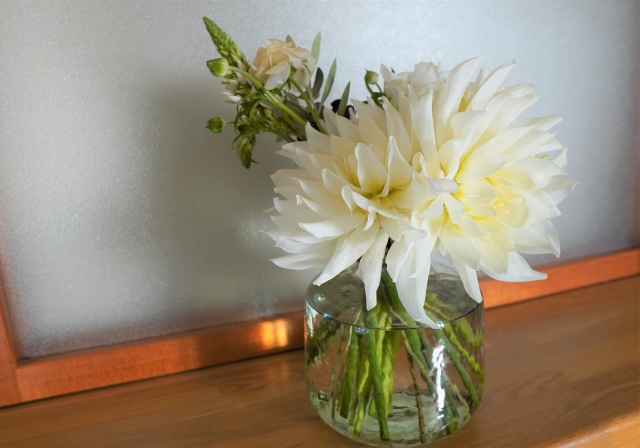
Even a small decoration can make the genkan a welcoming space.
A genkan is also a subtle place of hospitality. Many homes keep small signals of welcome here—seasonal flowers, an umbrella stand, a shoe shelf, or a simple decoration.
Even without words, the space communicates: please enter with care.
Where You’ll See Genkan (Beyond Private Homes)
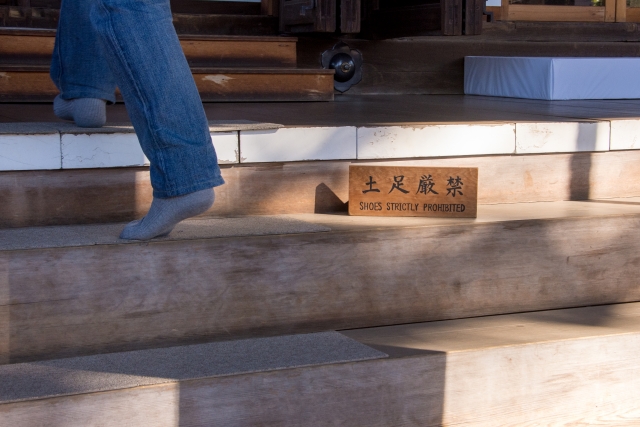
The boundary between outside and inside is clearly communicated.
You’ll find genkan-like thresholds not only in homes, but also at:
- Ryokan inns
- Traditional restaurants
- Temples and cultural spaces
- Some studios, cafés, and small shops
When in doubt, watch what others do. The boundary is usually visible in the floor level and the placement of shoes.
Final Thought
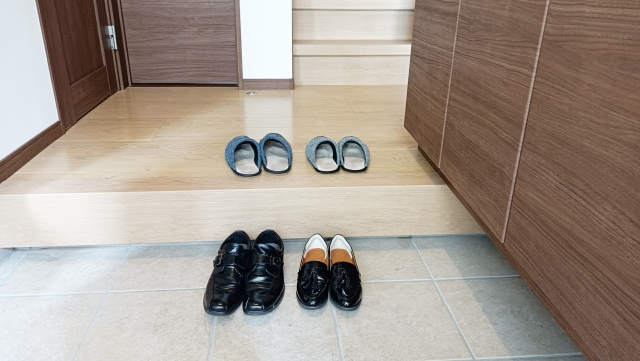
The genkan may be small, but it carries big meaning. It represents a pause—a quiet space where the outside world is left behind and respectful living begins.
In Japan, even the doorway teaches mindfulness.

