
NEW ENTRY
2026/10/11
What Is Japanese Cooking Sake? Why Ryōrishu Is Different from Regular Sake
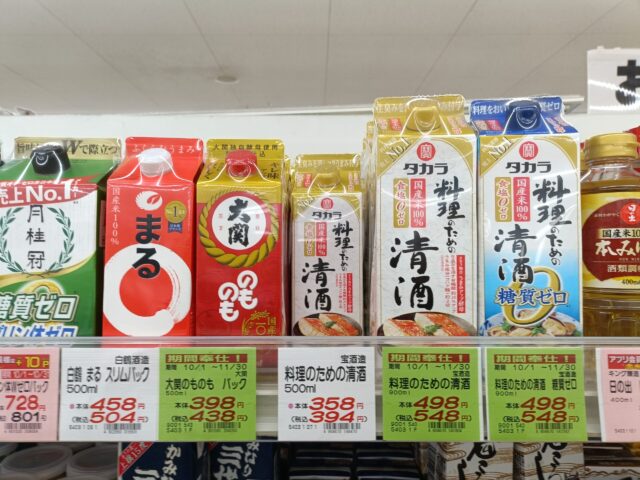
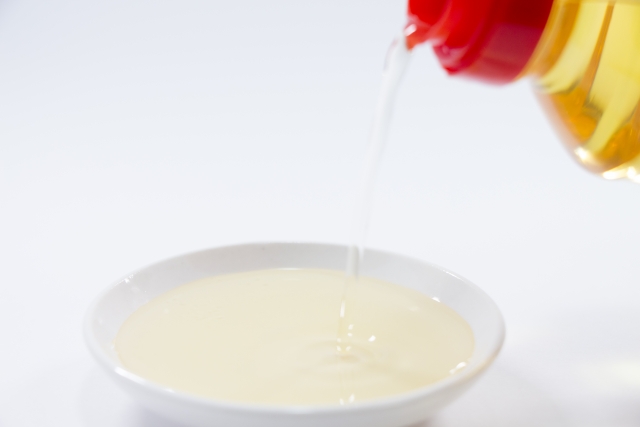
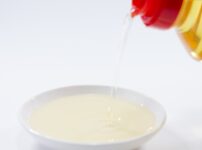
Japanese recipes often call for sake. For someone outside Japan, that raises an obvious question: does this mean ordinary drinking sake, or is there a special product called cooking sake? At first, the answer seems simple. Regular Japanese sake can usually be used in cooking, but that is only part of the story. In Japan, some products are brewed specifically for cooking. They are not necessarily cheaper versions of drinking sake; their fermentation and flavor balance may be designed from the beginning for what happens after the sake goes into a pan. Other products contain salt and are sold as seasonings rather than ordinary alcoholic beverages. So “cooking sake” is not one single thing. Understanding the differences makes Japanese recipes—and the Japanese supermarket shelf—much easier to navigate. Quick Summary Regular Japanese sake can usually be used for cooking. Cooking sake is not one uniform product category. Some cooking seishu is brewed specifically to perform well in food rather than in a glass. Producers may adjust organic acids and other fermentation-derived compounds to support odor control, depth, and umami. Some cooking sake contains salt and is sold as a seasoning rather than ordinary drinking alcohol. Sake and mirin often appear together because their functions overlap but their strengths are different. If both your cooking sake and your mirin-type fermented seasoning contain salt, the total salt in a dish can add up quickly. The best sake to drink is not necessarily the best sake to cook with. What Is Cooking Sake? Cooking sake, or ryōrishu, is sake ...
2026/10/7
What Is Mirin? Why Japan Has Three Different Mirin-Related Seasonings
Ask a Japanese home cook what mirin does, and the answer may be surprisingly vague. “It adds sweetness.” “It gives food a nice gloss.” “It makes the flavor feel more complete.” All of those answers are true. But none of them fully explains mirin. That is because mirin does not have just one job. It adds sweetness, aroma, gloss, and balance while also changing how other flavors work together. Japanese cooks use it constantly, often alongside soy sauce and sake, but many people rarely stop to think about what it actually is. And when you look closely at a Japanese supermarket shelf, things become even more confusing: there are several different kinds of mirin-related seasonings. So what is mirin, why are there different types, and what is it really doing in Japanese cooking? Quick Summary Mirin is a traditional Japanese rice-based seasoning made with glutinous rice, rice koji, and alcohol. Hon mirin develops its sweetness mainly through enzymatic saccharification and aging, rather than through the alcohol fermentation used to make sake. Its flavor comes from several sugars, amino acids, organic acids, aroma compounds, and alcohol working together. Mirin does several small jobs at once: adding sweetness, gloss, aroma, and balance, and helping reduce unwanted smells. Japanese supermarkets commonly sell three mirin-related types: hon mirin, mirin-style seasoning, and mirin-type fermented seasoning. Mirin-style seasoning contains very little alcohol and is convenient for cold or unheated dishes. Mirin-type fermented seasoning contains alcohol but also added salt. Hon mirin is especially useful when mirin itself plays a noticeable role ...
2026/9/29
Kukicha Japanese Green Tea: What Makes Stem Tea Different?
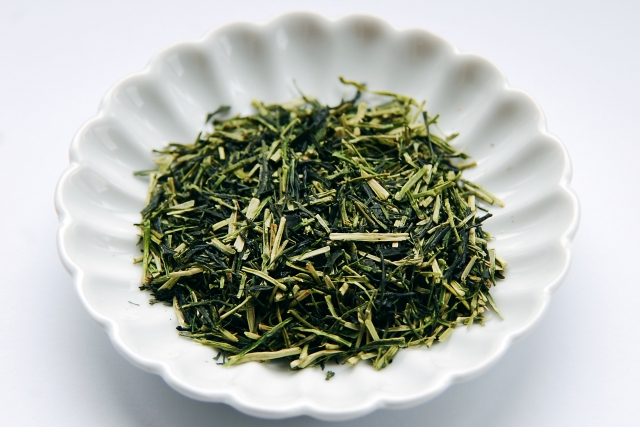
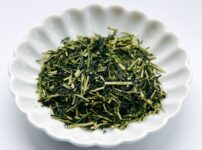
Most Japanese green tea is described by its leaves. Sencha is known for its fresh green character. Gyokuro is famous for its deep umami. Matcha is made by grinding specially processed tea leaves into a fine powder. Kukicha is a little different. Kukicha (茎茶) means "stem tea," but that does not necessarily mean the tea is made only from stems. It is better understood as a Japanese green tea with a relatively high proportion of stems and leaf stalks. That difference may sound small, but stems and leaves do not have exactly the same composition. As a result, kukicha often tastes less sharply green and less astringent than leaf-heavy teas such as sencha. Its character tends to be mild, smooth, and easy to drink. But there is another important point: not all kukicha tastes the same. A kukicha made from ordinary sencha and a karigane made from gyokuro can be quite different. To understand kukicha, it helps to know not only that the tea contains more stems, but also where those stems came from. Quick Summary Kukicha is Japanese green tea with a relatively high proportion of stems and leaf stalks. It is not necessarily made entirely from stems; some leaf material usually remains. Stems and leaves have different chemical compositions, which changes the balance of flavor. Kukicha generally has less bitterness and astringency than sencha and often feels milder and smoother. Its umami is usually gentle rather than intensely savory. The flavor depends strongly on the tea from which the stems were separated. Karigane ...
2026/9/23
Japanese Green Tea Powder Explained: Matcha, Konacha, Powdered Tea, and Instant Tea
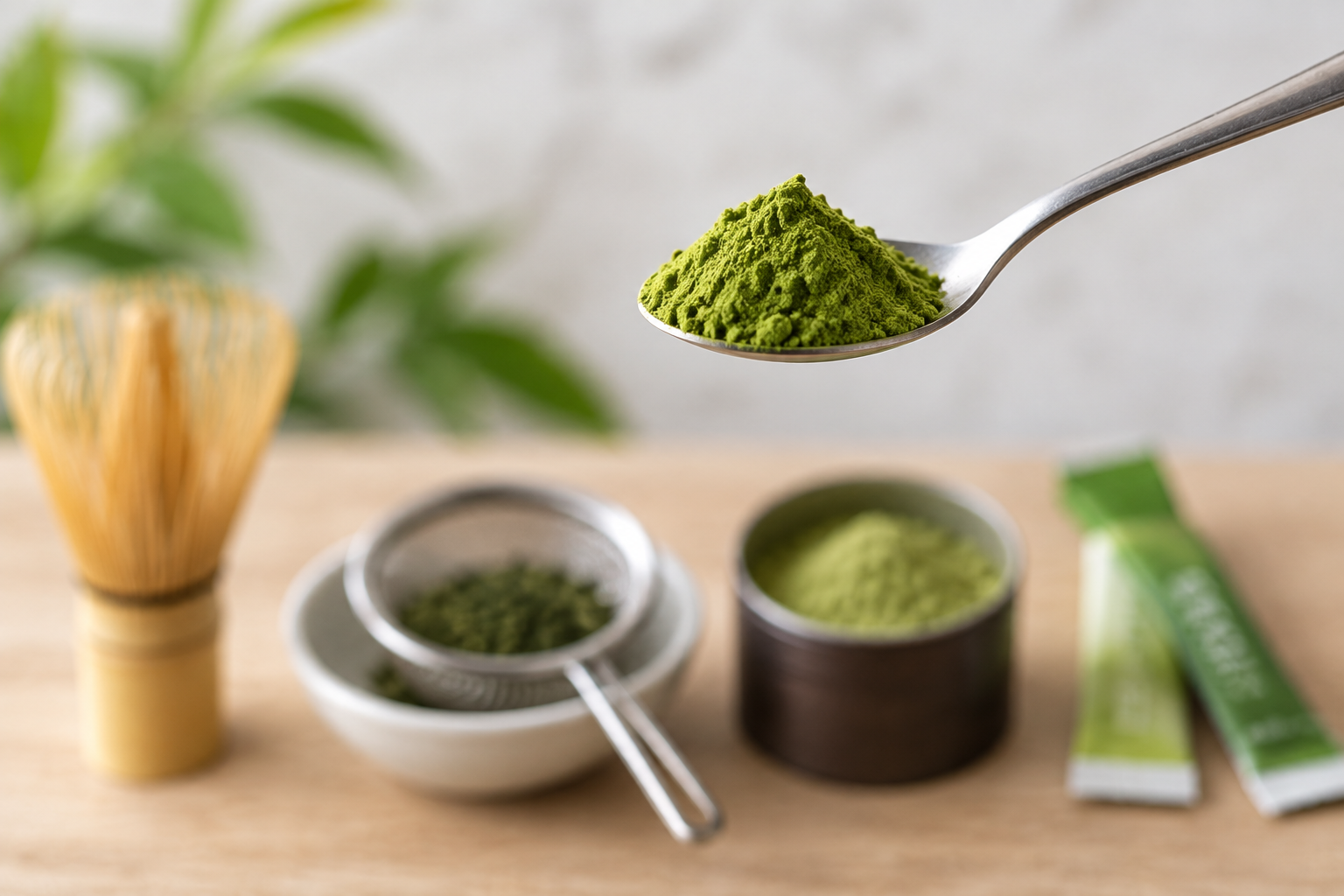
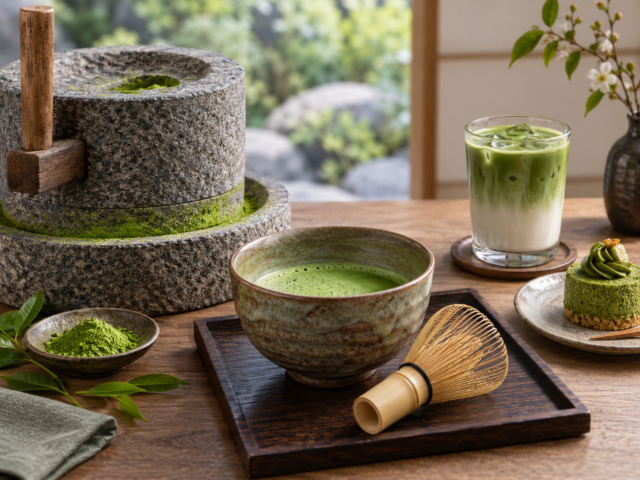
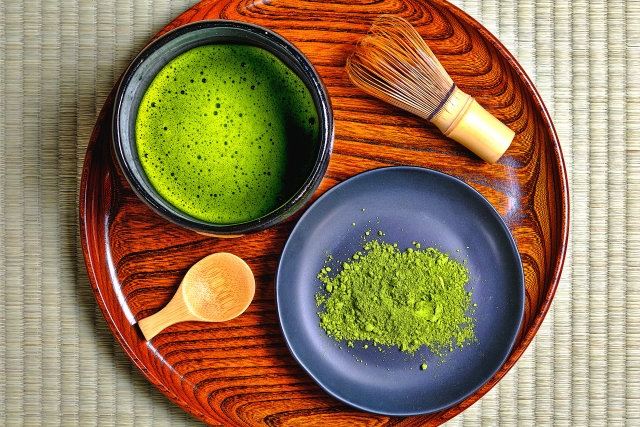
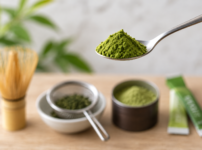
Green tea powder sounds simple. But in Japan, there are several very different kinds of tea that can all look like green powder. Four of the main ones are matcha, konacha, powdered green tea (funmatsucha), and instant green tea. To the eye, they can look surprisingly similar. But they are not the same tea. Matcha and powdered green tea are made by grinding tea leaves. Konacha consists of fine particles separated during tea processing. Instant green tea is made from brewed tea extract that has been dried into a soluble form. This is where English becomes confusing. Words such as “powder tea,” “powdered green tea,” and “green tea powder” can sound almost interchangeable, even though the products behind them may be completely different. The easiest way to understand them is to ask a few simple questions: What is it made from? How is it made? How do you drink it? And what does that process do to the flavor and texture? Once you look at those differences, the confusing world of Japanese “tea powder” becomes much clearer. Quick Summary Not every green tea powder in Japan is matcha. Matcha is made by finely grinding tencha. Konacha is not intentionally ground. It consists of fine tea particles separated during the finishing of sencha, gyokuro, and other teas. Powdered green tea, or funmatsucha, is made by mechanically grinding tea leaves such as sencha. Instant green tea is made from brewed tea extract that is dried into a soluble powder or granules. Matcha and powdered green tea ...
2026/9/20
What Is Bancha? Why Japan’s Everyday Tea Is Surprisingly Hard to Define
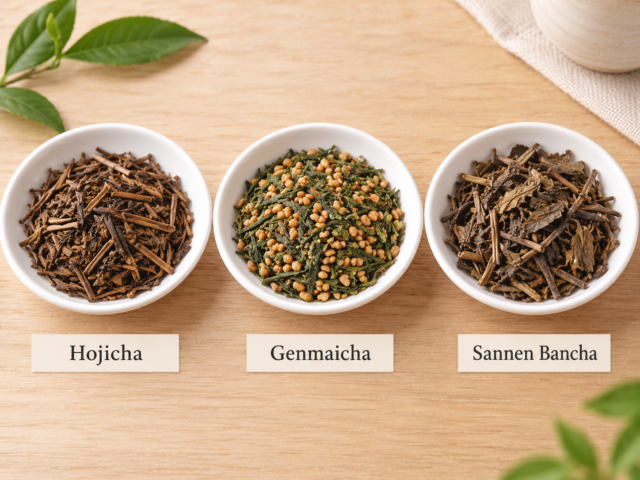
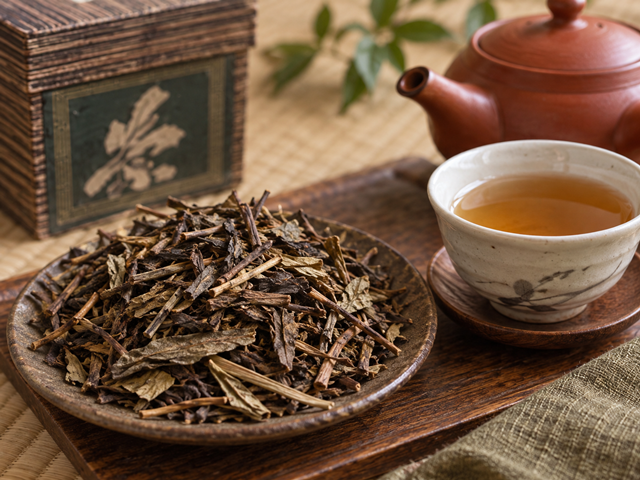
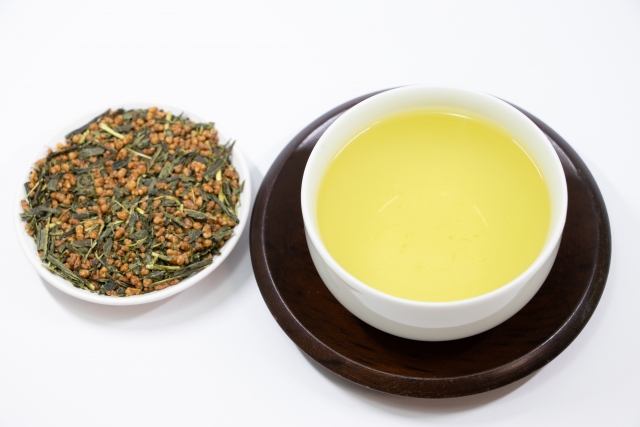
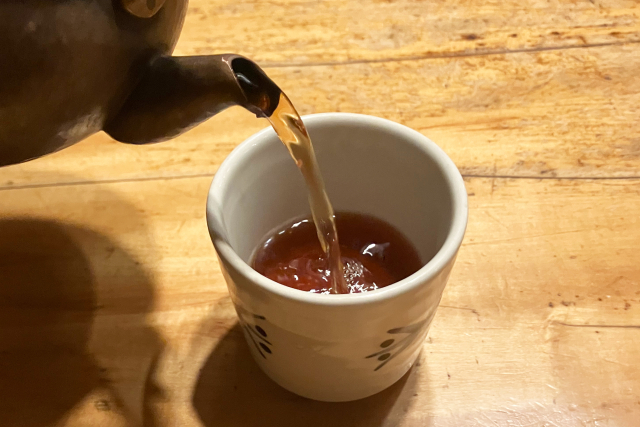
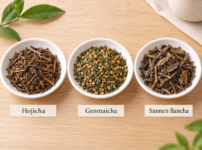
Bancha sounds like it should be easy to explain. It is often described in English as an inexpensive Japanese green tea made from larger, more mature leaves than sencha. That is partly true. But ask several Japanese people what they picture when they hear the word bancha, and you may not get exactly the same answer. One person may imagine a pale yellow-green tea made from large leaves. Another may think of something darker and roasted. Someone who grew up with a regional style may consider that version completely normal. That is what makes bancha interesting. It is not one perfectly standardized tea. It is better understood as a broad family of everyday teas shaped by mature leaves, local habits, and regional processing traditions. Quick Summary Bancha is commonly made from larger, more mature leaves than premium sencha. It often uses later harvests, coarser leaves, stems, or other mature tea material. Bancha is generally affordable and associated with everyday drinking rather than prestige. The word bancha does not always describe exactly the same tea throughout Japan. Some bancha is green or yellow-green, while regional styles may be roasted, brown, smoky, fermented, or otherwise processed differently. Bancha is usually easy to brew and is commonly prepared with relatively hot water. It is often lower in caffeine than teas made mainly from young spring leaves, but it is not caffeine-free. Bancha may also be used as a base for hojicha or genmaicha, while Sannen Bancha is a distinct specialty style. What Is Bancha? At its simplest, bancha ...