
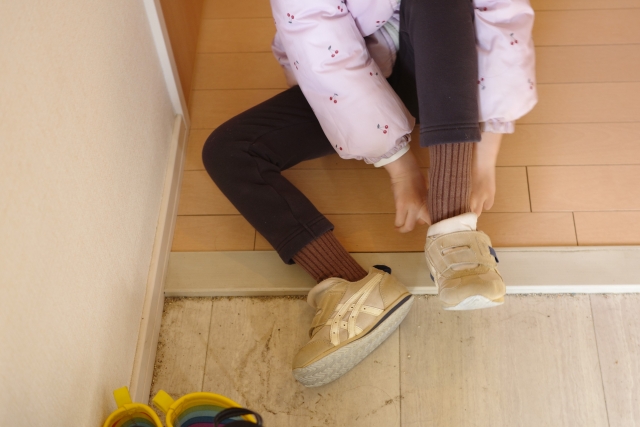
While many people assume it is only about cleanliness, the custom reflects a deeper mindset: avoiding unnecessary problems before they arise.
Quick Summary
- Removing shoes in Japan is rooted in a preventive mindset.
- The goal is to avoid dirt, damage, noise, and unnecessary effort.
- Japan’s humid climate and floor-level living reinforce the habit.
- The custom reflects consideration for shared spaces and others.
- It continues even in modern homes because the mindset remains strong.
Removing Shoes as a Preventive Cultural Practice
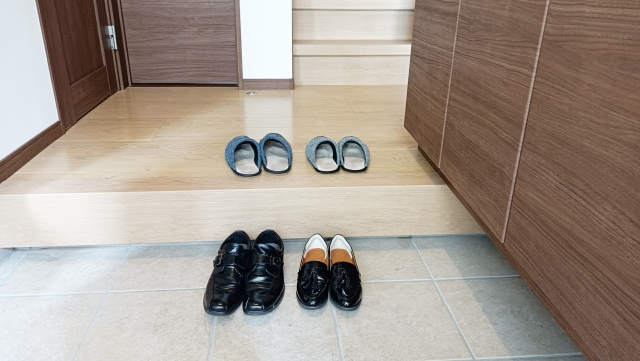
Shoes are turned outward at the genkan as a sign of order and respect.
In Japan, taking off shoes indoors is not primarily about strict rules or formal manners.
It is a practical habit shaped by a preventive way of thinking.
Instead of solving problems after they happen, Japanese daily life often focuses on preventing small inconveniences from occurring in the first place.
Removing shoes is one of the clearest examples of this mindset.
“Why Create a Problem If You Can Avoid It?”
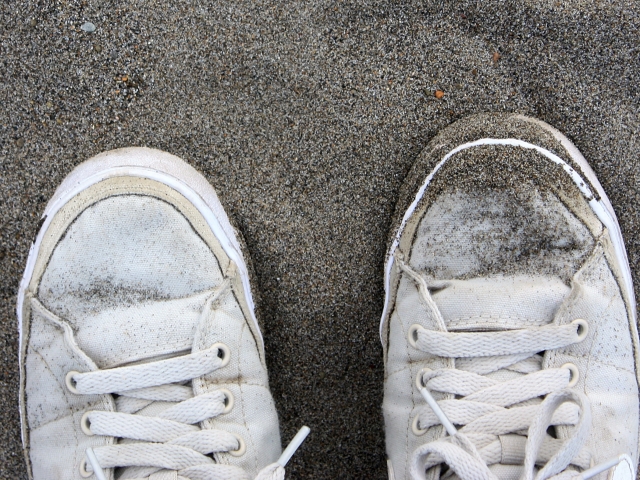
Outdoor shoes carry dirt, moisture, and bacteria that can spread indoors.
From a Japanese perspective, the logic feels simple:
- Shoes bring in dirt.
- Dirt requires cleaning.
- Cleaning takes time and effort.
If a small action at the entrance prevents that effort, why not take it?
It is not about strictness. It is about avoiding unnecessary trouble.
This preventive thinking appears in many aspects of Japanese life—wearing masks during flu season, keeping shared spaces quiet, or organizing belongings carefully.
The aim is to reduce friction before it appears.
Climate, Materials, and Risk Prevention
Japan is humid for much of the year. Moisture lingers on floors and inside shoes.
Walking indoors with outdoor footwear introduces several types of risk at once.
1. Dirt and Mold Risk
Shoes carry dust, rainwater, and street debris.
On humid floors, that moisture can lead to odor or even mold growth.
If dirt never enters the room, there is no need to remove it later.
2. Surface Damage

Wooden floors scratch easily.
Tatami mats cannot be washed—and stepping on them with shoes would be unthinkable.
Even small marks accumulate over time. Prevention avoids repair costs and deterioration.
3. Noise in Shared Housing

In many Japanese apartment buildings, walls and floors are thin.
Boots and hard leather soles create sharp echoing sounds on wooden flooring.
Removing shoes reduces unnecessary noise and shows consideration for neighbors.
4. The Condition of the Shoes Themselves

Japan’s humidity also affects footwear.
Wearing shoes for long hours indoors traps moisture, increases odor, and can raise the risk of fungal problems.
Shoes themselves deteriorate more quickly in damp conditions.
Removing shoes allows both the home and the body to breathe.
By taking off shoes at the entrance, multiple risks are reduced before they spread.
Floor-Level Living Makes Prevention Logical
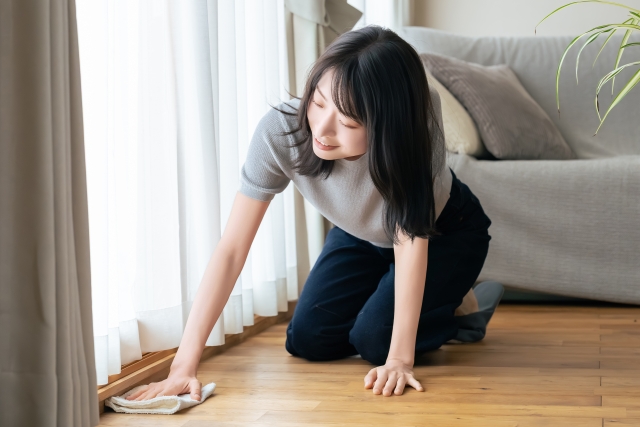
Removing shoes reduces cleaning effort and prevents unnecessary indoor dirt.
In many Japanese homes, the floor is not just for walking.
- People sit directly on the floor.
- Futons are laid out for sleeping.
- Children crawl and play at ground level.
When daily life happens close to the ground, protecting the floor becomes natural.
Shoes represent the outside world—dust, unpredictability, public movement. Removing them marks a controlled transition into a calm interior space.
The Movie Scene That Makes Japanese People Flinch

A scene that often surprises Japanese viewers—shoes on the bed feel unthinkable.
Many Japanese people share a small cultural reaction.
When watching foreign films, if someone jumps onto a bed while still wearing shoes, an instinctive thought appears:
“Wait… that might get dirty.”
Of course, sheets can be washed. But if dirt never enters, there is no need for extra work.
Why create unnecessary effort?
This reflex is not moral judgment—it is preventive logic.
Consideration for Others
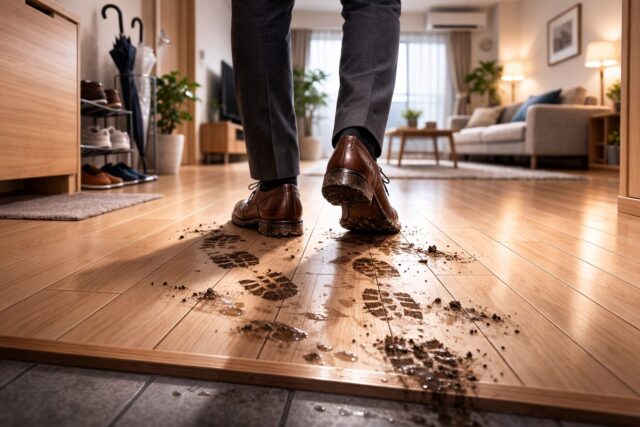
One step inside with outdoor shoes can spread dirt throughout the home.
Prevention in Japan is often social, not only personal.
In shared living environments:
- Noise affects neighbors.
- Damage affects property owners.
- Dirt increases cleaning burdens.
Removing shoes communicates: I will not create avoidable inconvenience.
That small act aligns with a broader cultural tendency to minimize burden on others.
Why the Custom Will Likely Remain
Even as architecture modernizes and hardwood floors replace tatami, the mindset continues.
From a Japanese perspective, wearing shoes indoors feels like choosing extra trouble.
And that choice rarely makes sense.
Frequently Asked Questions

Is removing shoes in Japan mainly about cleanliness?
No. Cleanliness is part of the reason, but the deeper logic is preventive. Removing shoes helps avoid dirt, surface damage, noise, and unnecessary cleaning before those problems occur.
Why do Japanese people react strongly to shoes on beds in movies?
Because beds and floors are treated as clean living surfaces. Shoes represent the outside world and may carry dirt or moisture. The reaction reflects preventive thinking rather than moral judgment.
Do modern Japanese homes with hardwood floors still require removing shoes?
Yes. Even when tatami is not used, the preventive mindset remains strong. Removing shoes reduces scratches, noise, and cleaning effort in modern apartments.
Is this custom connected to consideration for others?
Yes. In densely populated housing environments, minimizing noise, dirt, and damage is seen as respectful toward neighbors and property owners.
Has the tradition weakened among younger generations?
No. While housing styles have modernized, removing shoes remains a deeply embedded habit. It is widely practiced across generations.
Are there places in Japan where shoes are allowed indoors?
Yes. Western-style hotels, some offices, and certain shops allow shoes. When unsure, observe whether there is a genkan or follow what others are doing.
Related Reading
- Japanese Home & Interior Culture: The Philosophy of Space, Boundaries, and Living
- Genkan: Japan’s Entryway Culture and Shoe Etiquette
- Tatami: The Traditional Japanese Flooring That Breathes with Nature
- Fusuma vs Shoji: The Sliding Doors That Shape Japanese Homes
- Hyōsatsu: The Japanese Nameplates That Tell Stories of Home

