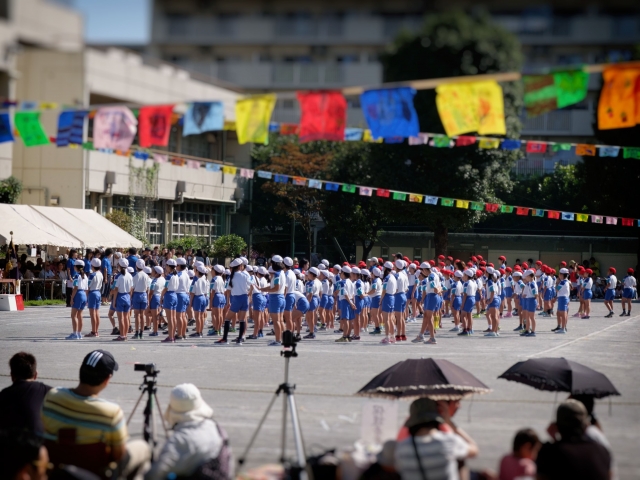
It is a cultural event where children learn how to exist within a group.
What Is Undo-kai?
Undo-kai is an annual school event where students, teachers, and families gather to participate in physical activities as a school community.
While it may resemble a sports festival, its purpose goes far beyond athletic performance. Undo-kai is designed as a shared social experience, where learning how to move together matters more than winning alone.
Competition Designed to Protect Harmony
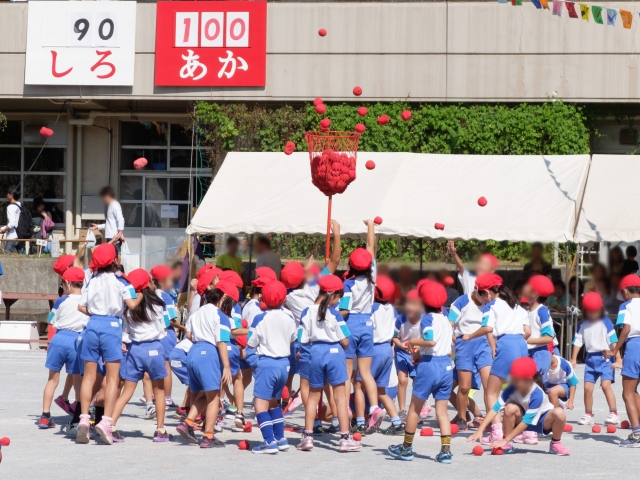
Most undo-kai events divide students into colored teams, often red and white.
At first glance, this looks like simple rivalry. In reality, the competition is carefully structured.
Teams change every year, and winning does not grant lasting status. This creates a form of controlled rivalry, where children can care about results without damaging relationships.
Excitement, Motivation, and Wanting to Win
For many Japanese adults, undo-kai remains an emotionally vivid childhood memory.
Children often felt genuine excitement, not just to run or compete, but to help their team win.
The desire was rarely about individual glory. It was about contributing to something shared and feeling responsible for the outcome together.
This emotional engagement is intentional. Undo-kai allows children to experience ambition within a group, teaching them how to care about winning without losing harmony.
Everyone Has a Role — Not Everyone Must Be Fast
In undo-kai, participation matters more than athletic ability.
Even children who are not confident runners are given meaningful roles.
- carrying equipment
- leading cheers
- organizing lines
- supporting teammates
Through these roles, children learn that value is not measured by speed or strength. Contributing to the group, in any form, is what matters.
Practice, Effort, and Shared Preparation
Weeks before undo-kai, the entire school practices together.
Dances, relays, and group events are rehearsed repeatedly. Children experience what it means to improve slowly as a team, rather than chasing quick individual success.
Effort becomes visible, shared, and remembered, even if the final result is imperfect.
When Does Undo-kai Take Place?

Many readers naturally wonder when undo-kai is held.
In the past, it was commonly held in October. However, as Japanese summers have become hotter, many schools now hold undo-kai in spring or adjust the schedule to avoid extreme heat.
Cases of heat illness during practice have made safety a clear priority. Protecting children naturally comes before tradition.
What matters most is not the season, but preserving a meaningful shared experience in a safe way.
Lunchtime as a Shared Family Moment

One of the most symbolic moments of undo-kai happens at lunchtime.
Families gather on picnic sheets in the schoolyard and open homemade lunch boxes.
Preparing a special bento is a way for families to acknowledge their child’s effort.
Eating together at school turns private support into a public, shared moment. Children are not only participating, they are being seen.
The Final Relay: Passing Responsibility Forward
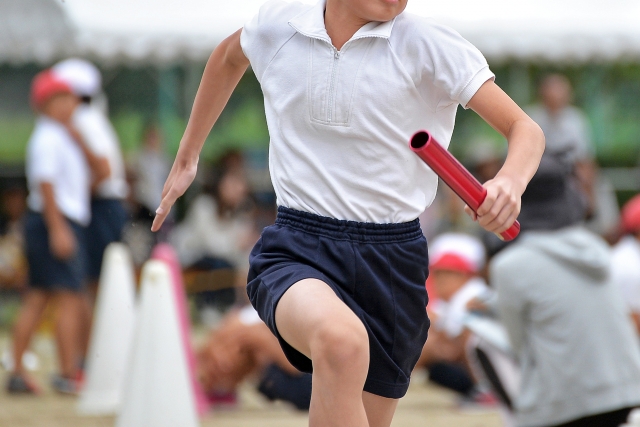
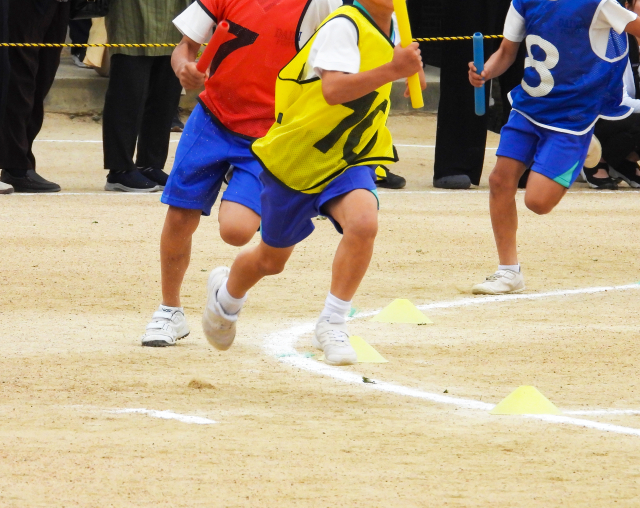
The final relay race is often the most anticipated event of the day.
Each class selects representatives, and the entire school watches together.
While speed matters, the deeper meaning lies in trust, trusting teammates to carry effort forward.
The relay symbolizes continuity, shared responsibility, and collective tension released together.
Learning About Winning and Losing
Undo-kai is not only about cooperation. It also introduces children to winning and losing.
Wanting to win, setting goals, and making effort toward them are experiences many children feel clearly during undo-kai.
This awareness is not discouraged. Instead, it is placed within a group setting, where ambition exists alongside responsibility to others.
In adult society, results and competition do matter. Undo-kai quietly introduces this reality, while teaching children how to pursue success without breaking harmony.
Growing Up With Undo-kai
As students grow older, undo-kai gradually changes.
Family participation decreases, and events become more student-centered.
However, the core feeling remains the same. Undo-kai continues to reinforce the idea that success is not achieved alone.
Undo-kai as Social Rehearsal
Undo-kai is not simply a school tradition.
It is a rehearsal for life in a group-oriented society.
Through movement, roles, competition, and shared emotion, children learn how to balance ambition with belonging.
That lesson stays with them long after the cheering ends.
Frequently Asked Questions About Undo-kai

Is undo-kai just a sports competition?
No. While it includes races and physical activities, undo-kai is primarily a social learning event. It focuses on cooperation, shared responsibility, and how to function within a group.
Why do Japanese schools emphasize teamwork over winning?
Winning is not ignored in undo-kai, but it is carefully balanced with harmony. Children learn how to aim for success without harming relationships or group unity.
Why do families participate in undo-kai?
Family participation turns children’s effort into a shared, visible experience. Being watched and supported by family members reinforces the value of effort and contribution.
When is undo-kai usually held?
Traditionally, undo-kai was held in October. Today, many schools hold it in spring or adjust the timing to avoid extreme heat, prioritizing children’s safety.
Do these experiences matter later in life?
Yes. The skills learned during undo-kai, such as working toward shared goals, handling competition, and balancing ambition with cooperation, often carry into adult social and work environments.
Conclusion: More Than a School Event
Undo-kai is more than a school sports day. It is a shared experience where children learn how to balance ambition with belonging.
Through teamwork, competition, and visible effort, children experience what it means to care about winning while remaining responsible to others.
The excitement of wanting to win, the pressure of contributing to a team, and the joy of being seen by family and classmates become lasting memories.
These experiences quietly shape how people later work with others, face competition, and take part in society.
Undo-kai may last only one day, but the lessons learned there often remain for a lifetime.

